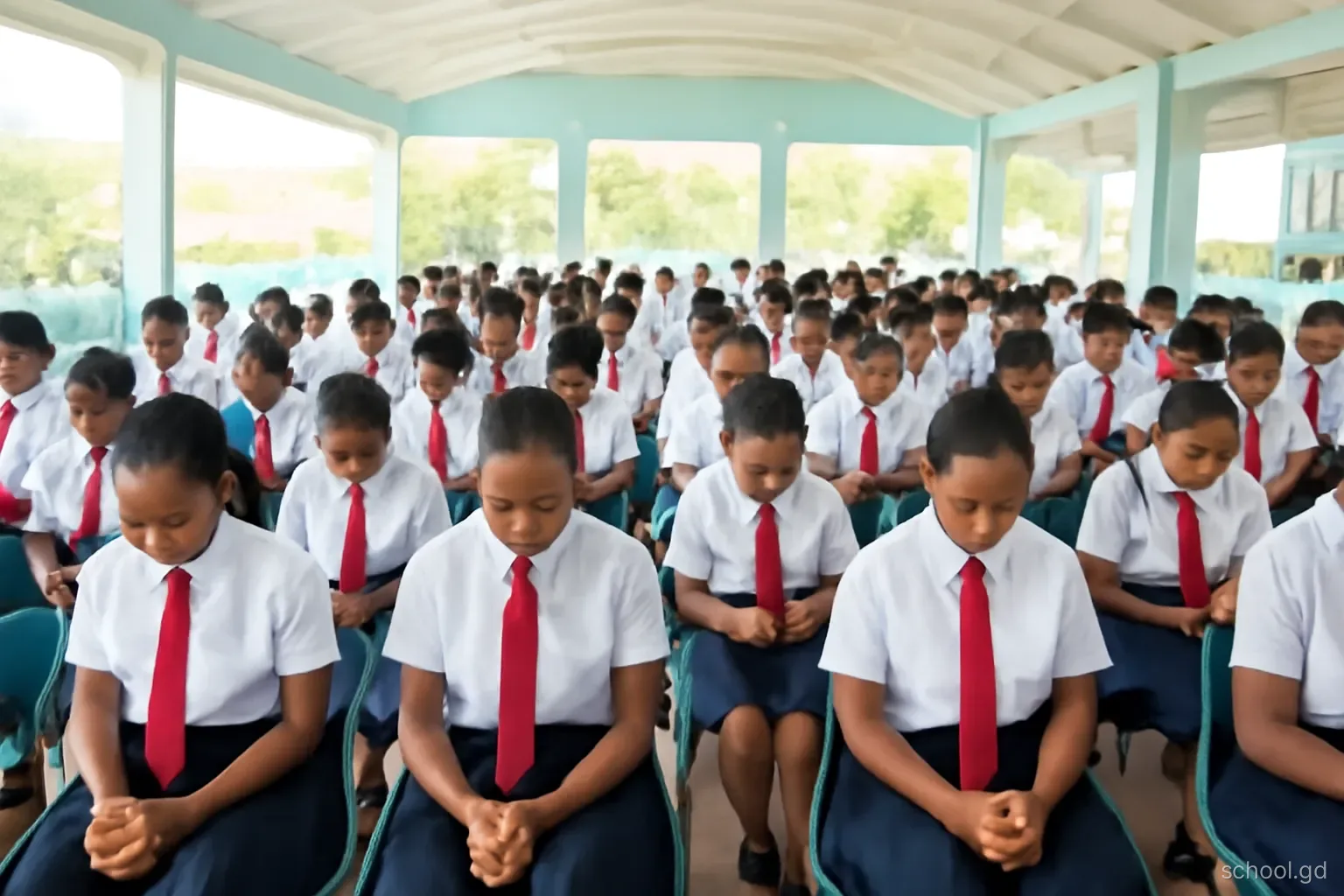

The gap between the release of Caribbean Primary Exit Assessment results and the first morning of Form 1 is only about ten weeks, and in Grenada it is a crowded ten weeks. There are school letters to answer, orientation days, uniform fittings, booklists, bus routes to work out and, for many children, the first serious change in their friendship group since they started school. Families who treat the summer as a series of small jobs, rather than a scramble in the last week of August, tend to have calmer children in September.
This plan follows the usual calendar: results and placements in June, school contact and orientation through July, preparation in August and the first weeks of term from early September. Exact dates change every year and differ between schools, so treat the months as a guide and follow the instructions in your child's placement letter and the school's own notices.
June: results day and the first decisions
Results and secondary placements are released by the Ministry of Education, usually in June, and the news reaches families through the primary school. The first job is simple but often forgotten in the excitement: read the placement notice carefully, note the school, any reporting date and any deadline for accepting the place or requesting a review.
Children react to placement in very different ways. Some are thrilled, some are disappointed that they will not join a sibling or friend, and some are anxious about travelling further from home. Disappointment is common and usually short-lived. Parents help most by talking about the new school's strengths, finding a current student the child can speak to and avoiding comparisons with classmates in front of the child.
If you have a genuine reason to seek a different school, such as a medical need, a new address or a sibling already enrolled elsewhere, the Ministry publishes a transfer procedure with the results. Requests are considered against available places and are not guaranteed, so act within the stated window and keep copies of everything you submit.
July: contact the school and attend orientation
Registration. Most secondary schools ask new students and parents to register in person over the summer. Bring the placement letter, the child's birth certificate, recent photographs and immunisation records; the school will tell you what else it needs.
Orientation. Schools typically hold orientation sessions for incoming Form 1 students, ranging from a single morning to several days. Children meet their form teacher, tour the buildings and learn basic rules. Attendance matters: children who miss orientation often feel a step behind in the first week.
Booklists and requirements. You will usually receive a booklist and a list of uniform and stationery requirements. Some schools run book schemes or sell certain items directly, so check before buying elsewhere.
The parent meeting. Many schools hold a meeting for new parents to explain policies on attendance, discipline, mobile phones and communication. It is the best moment to ask how the school prefers parents to contact staff and who to speak to about any learning or health needs.
Health and learning needs. If your child has asthma, allergies, a disability or a diagnosed learning difficulty, tell the school in writing now, with copies of any reports. Do not wait for a problem in October.
August: uniforms, travel practice and routine
August is when the practical preparation happens. Uniforms are often made by local seamstresses and tailors or bought from shops that stock the fabric for particular schools, and the busiest tailors fill their order books well before the end of the month. Order early, allow for a fitting and buy slightly large for a fast-growing child.
Travel deserves real practice. Many Form 1 students ride route buses alone for the first time. Do the journey together at least twice at the real time of day, show your child where to wait, which bus numbers to take, how much the fare is and what to do if a bus does not stop or they miss their stop. Agree a plan for heavy rain or a late finish.
In the last two weeks, move bedtimes and wake-up times towards the school routine. Secondary days in Grenada usually start around 8am, and children travelling from rural areas may need to be at the roadside well before 7am. A child who has been sleeping until nine all summer will struggle in the first week.
Things Form 1 students worry about, and how to help
Most worries are about small, practical matters rather than lessons. Talking through them beforehand removes a surprising amount of anxiety:
- Getting lost. Large campuses can feel confusing. A walk around the grounds during orientation, or a look at the school with a parent before term, helps.
- Older students. The jump from being the oldest in primary to the youngest in secondary is real. Remind children that prefects and form teachers are there to help, and that Form 1 classes usually have their own spaces.
- Many teachers instead of one. Moving between subject teachers with different expectations takes adjustment. A simple timetable copied into a notebook makes a big difference.
- Homework load. Homework increases. A fixed time and quiet place each evening helps more than long sessions at weekends.
- Money and lunch. Decide in advance how lunch will work, whether a packed lunch, lunch money or the school canteen, and how much the child carries.
- Friendships. Children who arrive without classmates from primary make new friends quickly, especially through clubs and sport. Encourage them to join something in the first month.
September and the first term: watch, listen, then step back
The first weeks of term are tiring for new secondary students. Expect tiredness, grumpiness and a few lost items. Ask open questions about the day rather than only about marks, and pay attention to how your child talks about getting to and from school, which is where many problems first show up.
By around October or November, most schools hold a parent-teacher meeting or issue an early report. This is the right moment to raise concerns calmly with the form teacher. Problems with reading, difficulty keeping up or signs of bullying are easier to address early in Form 1 than later in the year.
Then step back a little. Part of the point of secondary school is learning to manage a timetable, a bus journey and a homework load independently. The parent who checks the school bag every evening in September should, by Easter, be checking once a week.
Phones, money and independence: agree the rules early
Mobile phones. Schools set their own phone policies. Some ban phones on campus, others require them to be switched off and kept in bags, and confiscation is a common sanction. Read the policy, then decide whether your child needs a phone for the journey and what it may be used for.
Pocket money. Agree a fixed daily amount for fares and lunch, and talk about what happens if it runs out or is lost. Children carrying large sums attract attention they do not need.
After-school time. Secondary students often finish earlier than working parents, and some stay for clubs or sport. Be clear about where your child should be between the final bell and getting home, and who they should tell if plans change.
Social media. New class group chats appear within days of term starting. A conversation about kindness, privacy and photographs of other students, held before term rather than after an incident, saves a great deal of trouble.
Who to call. Make sure your child knows a second trusted adult to contact if a parent cannot be reached, and that the school has up-to-date numbers for both.
Common mistakes in the summer before Form 1
Leaving uniforms until late August. Tailors get booked up and fabric for some schools can run short. A child without the correct uniform on day one feels conspicuous.
Buying everything on the booklist at once. Some items are confirmed only in the first week, and some schools supply certain books. Buy the essentials, then wait for the teachers' instructions.
Skipping orientation for a holiday. Missing orientation means missing the introductions that make the first week easier.
Not practising the commute. The first morning is not the time to discover that the bus fills up before it reaches your stop.
Treating placement as a verdict on the child. Placement is an administrative process involving results, preferences, capacity and distance. Children who hear it described as a judgement on their worth carry that into the new school.
Frequently asked questions
When do Form 1 students start secondary school in Grenada?
The school year normally begins in early September, though some schools ask Form 1 students to attend orientation or start a day or two before older students. Your child's school will confirm the exact date during registration in the summer.
What documents are needed to register for Form 1?
Schools generally ask for the placement letter, a birth certificate, recent passport-style photographs and immunisation records, along with parent contact details. Requirements vary, so follow the list the school gives you and bring originals as well as copies.
Is Form 1 orientation compulsory?
Schools strongly encourage it, and children who attend settle in faster. If your child genuinely cannot attend, tell the school in advance and ask what information or activities they will miss so you can cover them at home.
How can parents help a child who is upset about their placement?
Acknowledge the disappointment without dwelling on it, focus on what the new school offers, and connect the child with a current student or neighbour who attends. Most children settle within the first term once they have friends and routines.
Should Form 1 students travel to school alone?
Many do, using route buses, especially from the second or third week. Whether your child is ready depends on the route and their maturity. Practise the journey together first and agree clear rules about money, phones and what to do if plans change.