Ask Grenadian adults what they remember about secondary school and many will talk about something that happened outside a classroom: an inter-school relay, a debate final, a steel band rehearsal, a cadet camp or a school float at Carnival. In a small country where secondary schools are tightly linked to communities and parishes, these activities carry real weight. They build friendships across forms, give students a place to shine beyond examinations and, in sport especially, can open doors to scholarships.
This guide describes the main kinds of extracurricular activity available in Grenada's secondary schools, how students usually get involved and what parents should weigh up. What a particular school offers depends on its staff, facilities and traditions, and programmes come and go, so treat this as a picture of the landscape and ask each school what currently runs.
Athletics and the inter-school calendar
Track and field holds a special place in Grenada, a country whose athletes have won Olympic and world medals, Kirani James first among them. Schools hold inter-house sports days early in the year, and the best performers go on to represent their school at the inter-secondary schools athletics championships, traditionally held at the national athletics stadium in St George's. The event fills the stands with students in school colours and is one of the liveliest days in the school calendar.
For promising athletes, school competition can lead to selection for national youth teams and regional events such as the CARIFTA Games, the annual Caribbean junior athletics championships. A number of Grenadian athletes have gone on to athletics scholarships at colleges in the United States and elsewhere.
Students who are not elite runners still benefit. House sports involve large numbers of students, and teachers often encourage everyone to take part in at least one event. For a shy Form 1 student, running for their house can be the first real moment of belonging.
Team sports and games
Football. Football is played widely in boys' and, increasingly, girls' teams, with inter-school leagues and knock-out competitions organised during the year.
Netball. Netball is a major sport for girls in Grenadian schools, with school teams competing in inter-school tournaments.
Cricket. Cricket remains part of school sport, from house matches to inter-school competition, and talented players can move into national youth programmes.
Basketball and volleyball. Both have a following in schools, particularly where a hard court is available on or near campus.
Table tennis, swimming and others. Smaller sports depend on the enthusiasm of particular teachers and on access to facilities. Ask the school which sports it currently enters in competitions.
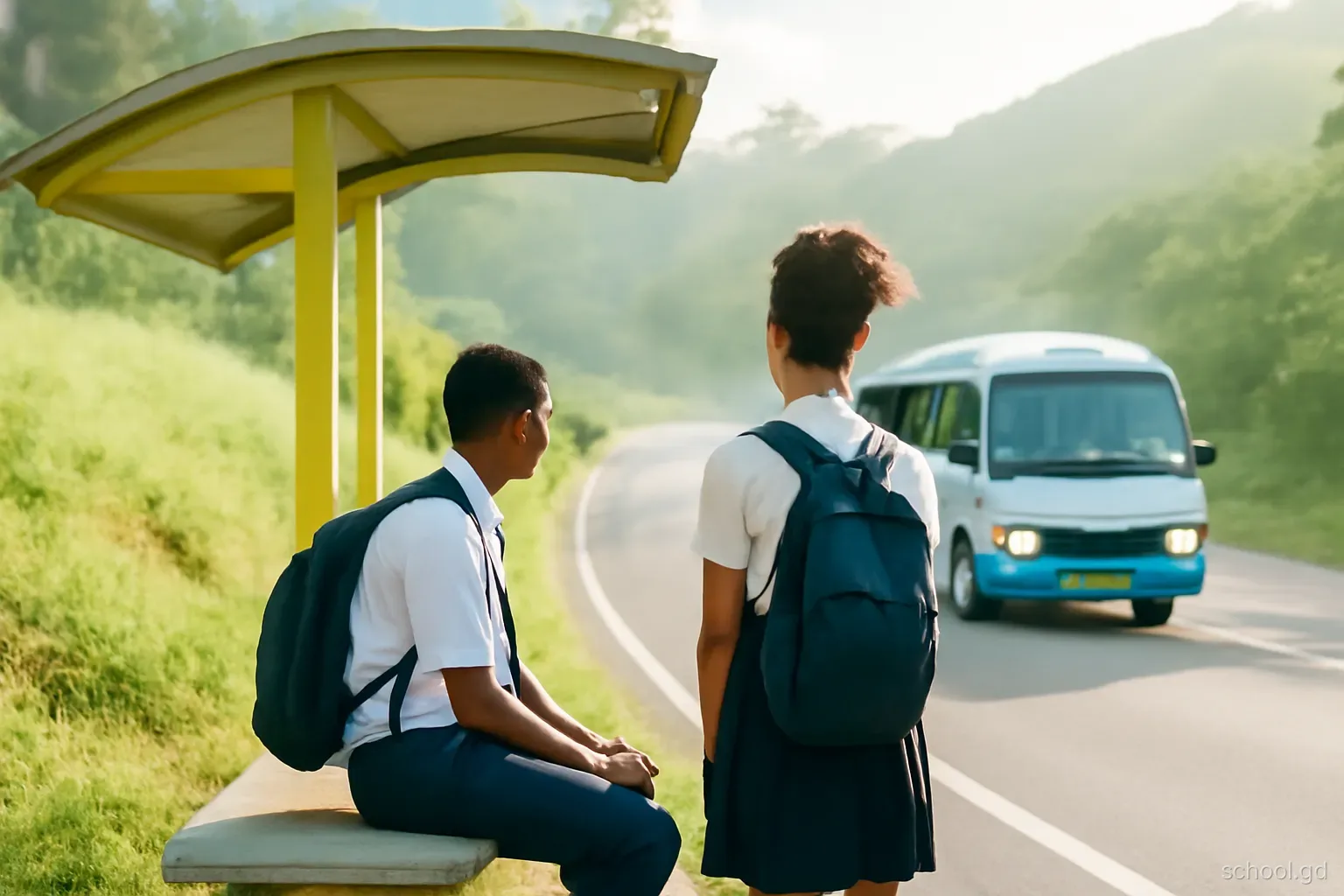
What to expect as a parent. Training usually takes place after school or at weekends. That affects transport home, so check how late practices run and how students get back afterwards.
Uniformed groups: cadets, scouts and guides
The Grenada Cadet Corps runs units in many secondary schools, offering drill, discipline, leadership training, outdoor activities and camps. Cadets take part in ceremonial events, including the Independence celebrations in February, and the organisation has a long record of developing confidence and teamwork. Some students go on to careers in the police, coast guard or other services, while many others simply value the structure and friendships.
Scouts, Girl Guides, the Red Cross youth movement and similar groups also operate in some schools or in communities, often meeting after school or at weekends. Church youth groups run alongside these in many parishes.
Uniformed groups usually ask for a commitment to regular meetings and a uniform of their own. Parents should ask about costs, camp dates and transport, and should know who supervises activities away from school. The best groups are well organised, with clear communication to families.
Music, culture and the arts
Grenada's cultural life runs strongly through its schools. Activities that schools commonly offer, or support students in joining, include:
- Steelpan. Several schools have steel bands, and young players also join community pan sides that compete during Carnival season.
- Spicemas activities. Grenada's Carnival, Spicemas, peaks in August, but school-age events, including junior calypso and children's Carnival activities, give young performers a stage.
- Choirs and music. Church schools in particular often have strong choral traditions, and school choirs perform at services, festivals and national events.
- Drama and dance. Drama clubs and dance groups prepare for school concerts, cultural days and national festivals of the arts.
- Independence and cultural days. Events around Independence in February and Emancipation in August involve performances, poetry and displays of national dress.
- Visual arts. Art clubs and competitions give students chances to exhibit work outside the examination syllabus.
Clubs for thinkers, makers and growers
Debating and public speaking. Inter-school debating competitions have a long history in the region, and Grenadian schools take part in national and sometimes regional contests. Debate builds research and speaking skills that serve students well in CSEC, CAPE and beyond.
Science and technology. Science clubs, robotics and coding groups have grown in recent years where teachers and sponsors support them, sometimes linked to national competitions or programmes run by tertiary institutions.
4-H and agriculture. 4-H clubs, focused on agriculture, environment and leadership, have long been part of school life in Grenada, especially in rural parishes, and connect with the country's farming heritage.
Environmental clubs. With reefs, mangroves and forests on the doorstep, environmental clubs organise beach clean-ups, tree planting and projects with conservation groups.
Service and leadership. Interact and Key clubs linked to service organisations, student councils and prefect bodies give students responsibility and experience of running activities.
Holidays, weekends and community programmes
Much of the activity that shapes Grenadian teenagers happens outside school hours and outside school grounds. Sports clubs and national associations for athletics, football, cricket, swimming and other sports run training and youth competitions that students join independently of their school. A young footballer may play for a school team in term and a community club in the holidays.
The long summer break in July and August is also a season of camps and programmes. Churches, youth organisations, sports bodies and non-governmental groups often run summer schools, vacation Bible schools, sports camps and skills workshops, some free and some with a modest fee. Spicemas preparations in August draw many young people into pan yards, mas camps and junior Carnival events.
Programmes vary from year to year, and the best way to find them is through the school, the parish church, community centres and word of mouth among parents. When choosing a holiday programme, ask who runs it, how children are supervised, what it costs and how participants get home at the end of the day.
Getting the balance right
Extracurricular activities matter, but they compete with homework, travel and sleep. A sensible approach for most students is one main commitment, perhaps a sport or a uniformed group, plus one lighter activity. In Form 5, many students scale back to protect revision time, and some schools ask them to step down from certain roles.
Watch for overload. A student coming home late four evenings a week after practice and facing an hour on the bus may need to drop something. Equally, students who do nothing beyond lessons can miss the friendships and confidence that activities build.
Finally, check practical details. Ask who supervises activities, how late they run, how students get home and what costs are involved, from kit to travel for away fixtures. Activities that look free often carry small costs that add up across a year.
Parents can support activities without taking them over. Turning up to watch a match or a concert, helping with transport for an away fixture or offering a skill to a club all matter to students and teachers alike. Many school activities in Grenada run on the goodwill of a few staff members, and a little parental help keeps them going from one year to the next.
Frequently asked questions
Do secondary schools in Grenada have sports teams?
Yes. Most schools field teams in sports such as football, netball, cricket, athletics and basketball, and take part in inter-school competitions. What each school offers depends on staff and facilities, so ask which sports currently run and when training takes place.
What is the Grenada Cadet Corps?
It is a uniformed youth organisation with units in many secondary schools. Cadets learn drill, leadership and outdoor skills, attend camps and take part in national ceremonies such as Independence parades. Membership involves regular meetings and a commitment to the unit.
Can sport lead to a scholarship for Grenadian students?
It can. Athletes who perform well at school level may be selected for national youth teams and events such as the CARIFTA Games, and some have gone on to athletics or sports scholarships at overseas colleges. Strong academic results remain important alongside sporting ability.
Are extracurricular activities free?
Many school clubs are free or low-cost, but there are often expenses for kit, uniforms, instruments, camps and travel to events. Ask the teacher in charge what a full year is likely to cost before your child commits.
How many activities should a secondary student take on?
One main commitment and one lighter activity suits most students, especially those with long commutes. Review the load each term, and expect to cut back in Form 5 when CSEC revision and coursework take priority.