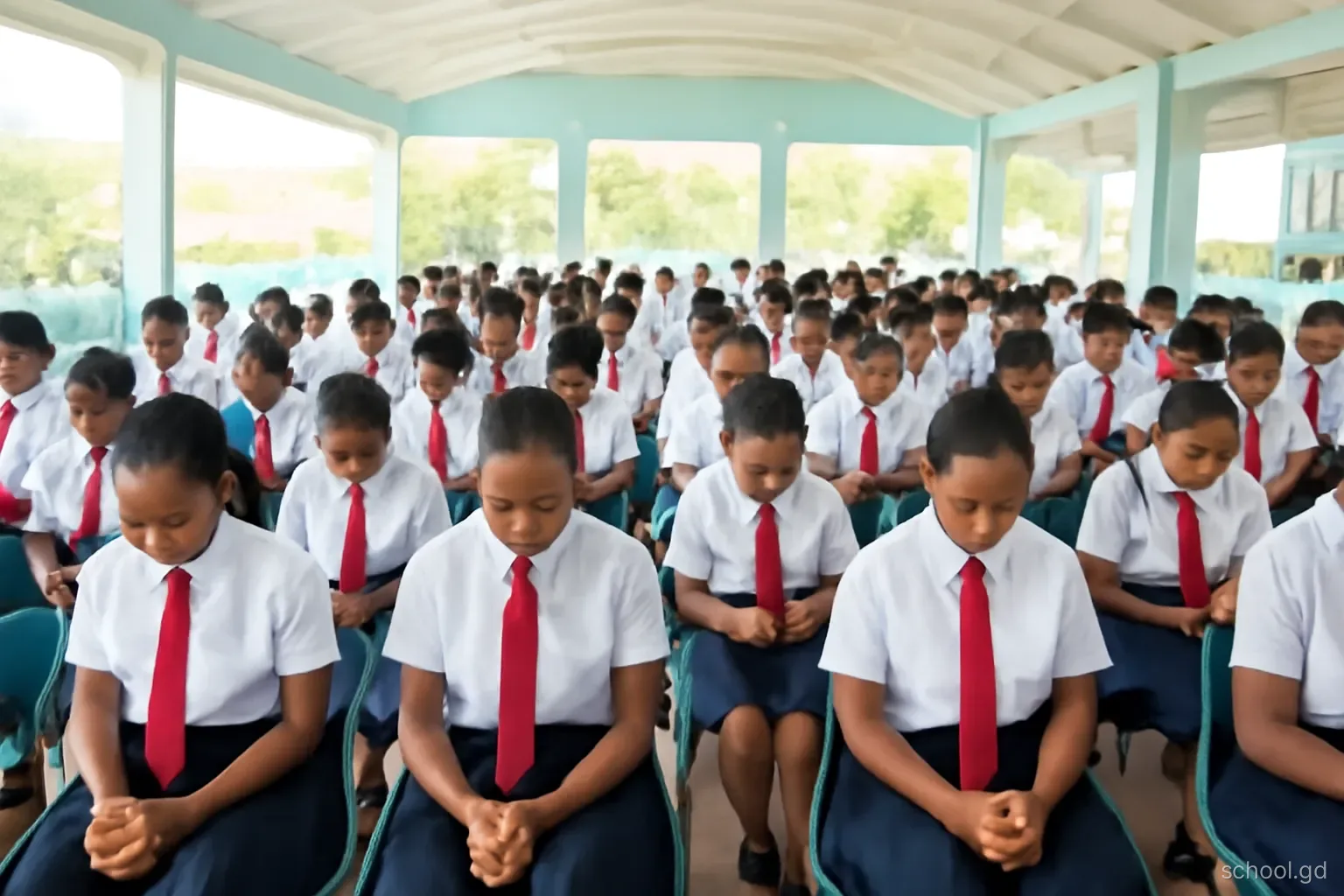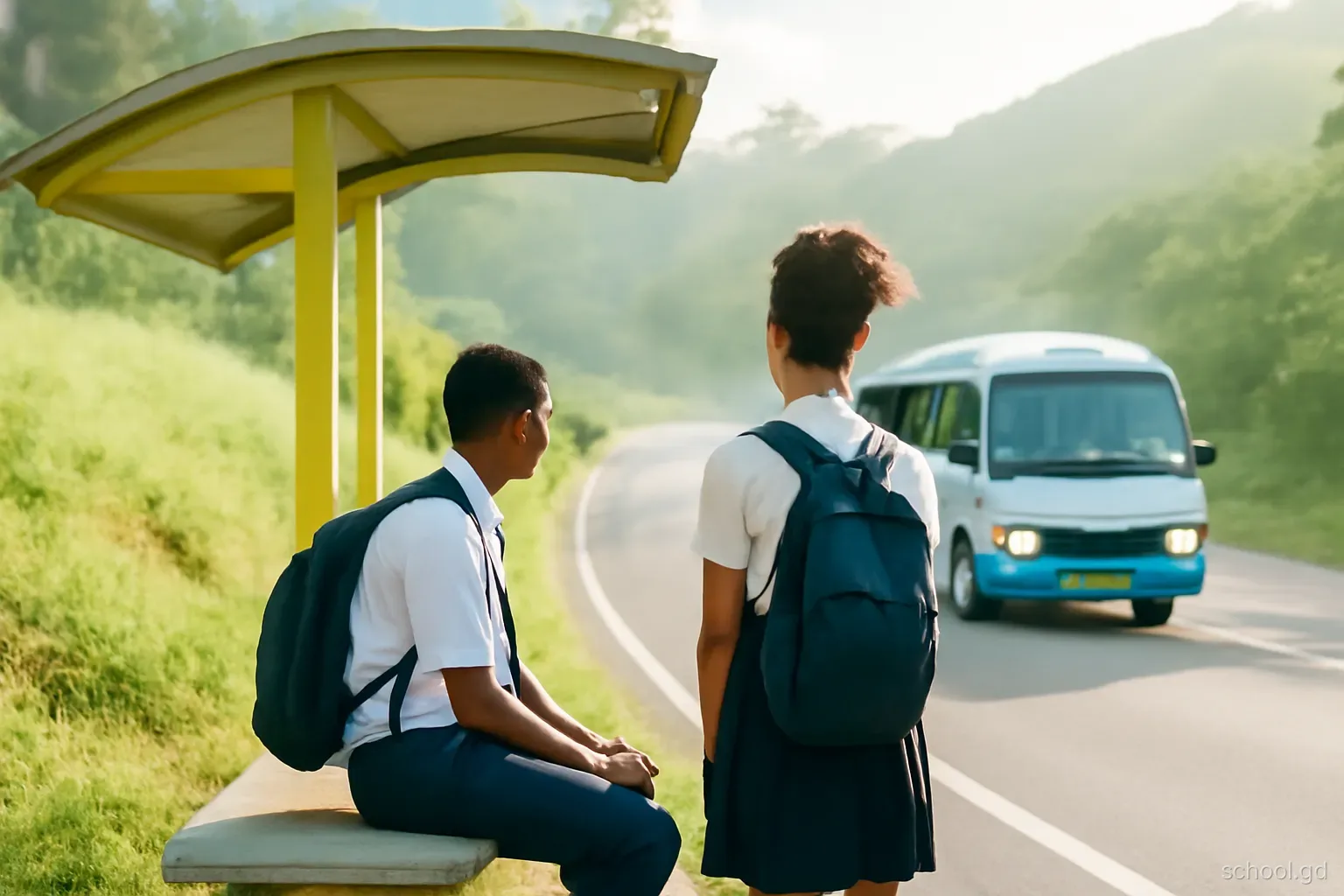
In Grenada you can usually tell which secondary school a teenager attends from across the street. Every school has its own colours, its own cut of shirt or blouse, its own badge and often its own tie, and students wear them with a fair amount of pride. Uniform is taken seriously: schools inspect it, send students home for serious breaches and expect families to keep it in good order for five years of growth spurts.
For families new to the system, or new to secondary school, uniform raises many practical questions. Where do you buy the fabric? Who sews it? What counts as acceptable shoes? What are the rules on hair and jewellery? This guide covers how uniforms work in Grenada's secondary schools, what usually catches families out and how to spread the cost. Rules are set by each school, so always follow your school's written policy over general advice.
How Grenada's uniform system works
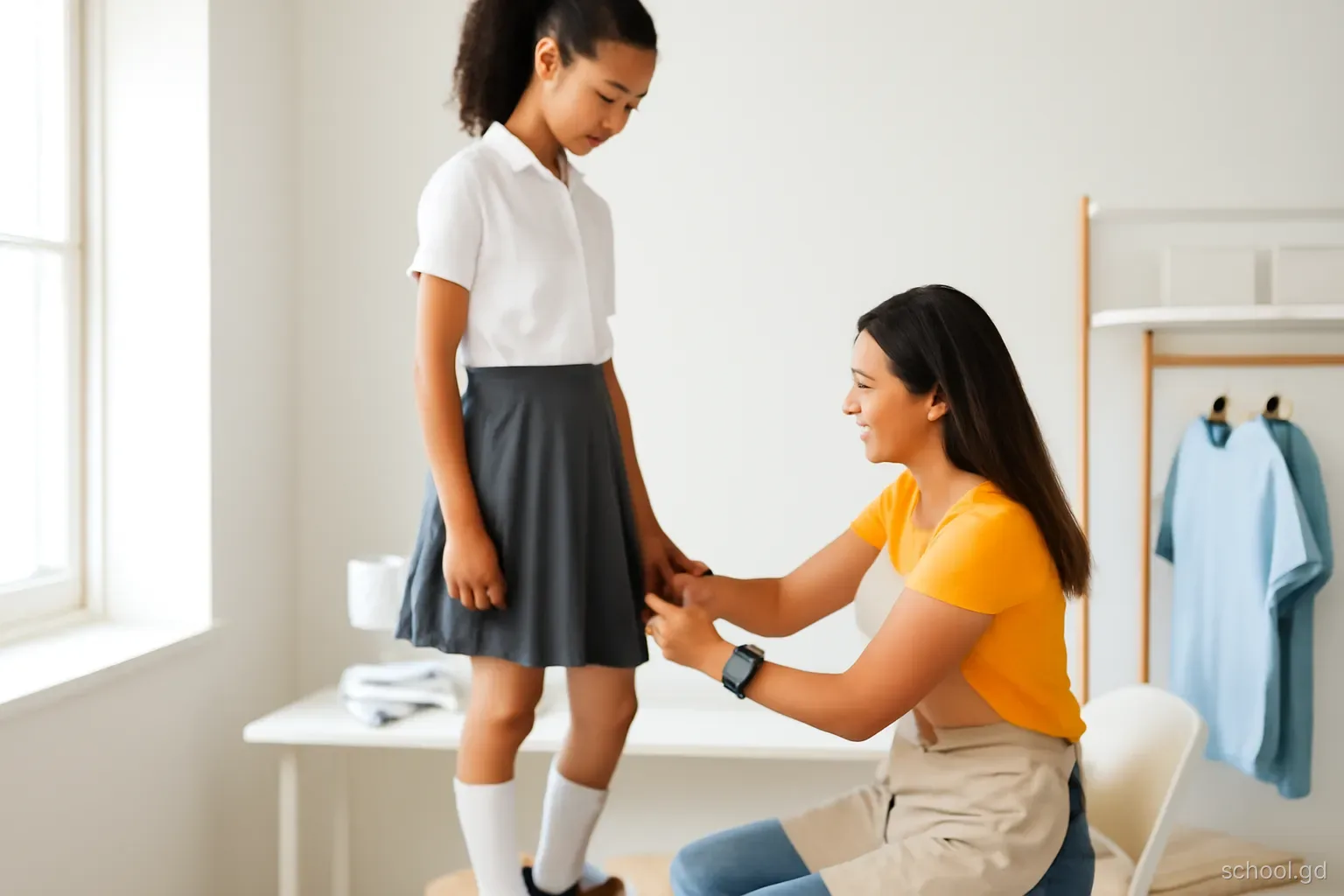
Unlike countries where school uniforms come ready-made in packets from a chain store, much of Grenada's school clothing is still made to measure. Each school specifies a fabric colour and pattern, and families buy that fabric from stores that stock it, then take it to a seamstress or tailor. Some items, such as shirts in standard colours, socks and shoes, can be bought ready-made. Schools usually supply or sell their own badges, and some sell ties or other branded items.
This system has real advantages. Uniforms fit properly, can be let out as a child grows and support local tailors, many of whom work from home in villages across the island. The disadvantage is timing: from late July to the start of September, tailors are at their busiest, and families who arrive late in August can struggle to get a full set made.
A typical uniform includes a school shirt or blouse, trousers, a skirt or tunic, a tie for some schools, school socks and black or other specified shoes. Many schools also have a separate PE uniform, and some require a house T-shirt for sports days.
The rules that catch families out
Skirt lengths and trouser cuts. Schools specify how long skirts should be and how trousers should fit. Tight or very short versions are a regular cause of uniform warnings, so tell the tailor the school's rule rather than letting a teenager negotiate the hem.
Shoes. Many schools require plain black leather-style shoes for everyday wear and do not accept trainers with the main uniform. Coloured soles, logos or canvas shoes can be refused. Check the policy before buying.
Hair. Most schools have grooming rules covering hair length for boys, hair colour, elaborate styles and accessories. The details vary widely and are sometimes debated publicly. If your family's cultural or religious practice affects hair, raise it with the principal before term starts rather than on the first morning.
Jewellery and make-up. Policies often allow small stud earrings for girls and little else, with restrictions on make-up and nail colour. Watches are usually acceptable.
Socks, belts and sweaters. Colour rules extend to socks, belts and any sweater or cardigan. A navy sweater at a school that specifies grey, for example, can draw a warning.
Bags. Some schools have rules on bag type or colour; most simply ask for something practical. A sturdy backpack that keeps books dry in a downpour is the main thing.
Getting a set of uniforms made: a practical sequence
Families who get uniforms done smoothly usually follow roughly this order:
- Read the school's uniform list carefully as soon as you receive it, ideally at registration or orientation, and ask about anything unclear, such as the exact shade or whether a tie is required for Form 1.
- Ask the school or other parents which stores stock the correct fabric. Fabric for particular schools is often held by specific shops in St George's, Grenville or other towns.
- Choose a tailor early. Neighbours, church members and other parents are the usual source of recommendations. Ask how many sets they can make and by when.
- Have the child measured in person. Growth between June and September can be significant for eleven- and twelve-year-olds.
- Order at least two full sets for daily wear, more if your household cannot wash and dry clothes every day, especially in the rainy months.
- Collect, try everything on and check hems, seams and buttons well before the start of term.
- Buy shoes last, close to the start of term, to reduce the chance of them being outgrown by October.
PE kit, house colours and special days
Physical education is part of the curriculum in Form 1 and beyond, and most schools ask for a separate PE outfit: shorts or tracksuit bottoms, a T-shirt in a set colour and trainers. Some schools ask students to arrive in uniform and change for PE; others allow PE kit to be worn on PE days. Ask which applies.
Grenadian schools traditionally organise students into houses for sports and competitions, and some ask students to own a house T-shirt for inter-house sports days. These are usually sold by the school or organised through the PTA close to the event.
There are also occasional special days when ordinary uniform rules relax or change. Independence celebrations in February often involve national colours, and schools may hold cultural days or fundraising "dress-down" days where students pay a small sum to wear their own clothes. Notices usually come home with a few days' warning, so check bags regularly.
Keeping uniform costs manageable
Uniform is one of the bigger costs of the school year for many households, especially with more than one child in school. Families use a range of approaches:
- Hand-me-downs. Uniforms passed between siblings, cousins and neighbours are common and entirely normal. Badges can usually be moved, and skirts and trousers can be altered.
- Buying fabric with room to grow. Ask the tailor to leave generous seams and hems that can be let out.
- PTA and church exchanges. Some schools and churches organise uniform swaps or sales of outgrown items. Ask the PTA.
- Government and community support. Government programmes have at various times helped families with school uniforms and books, and churches and service clubs also assist. Ask the school guidance counsellor what support exists this year.
- Spreading the purchase. Buying fabric in June and commissioning one set at a time spreads the cost over the summer.
- Good care. Washing promptly, drying in shade to avoid fading and mending small tears early can add a year to a uniform's life.
Uniform through the years: from Form 1 to Form 5
Uniform does not stay the same for the whole of secondary school. Children grow fast between eleven and sixteen, and most families find they need a fresh set of trousers or skirts at least once, often in Form 2 or Form 3. Shoes are replaced more often. Letting out hems and seams in the summer holidays buys time, so ask the tailor to leave enough fabric when the first set is made.
Some schools mark the move into the upper school with small changes, such as a different tie, badge or blouse colour for senior students, and prefects often wear a badge or other distinguishing item. These details are set by the school and announced at the time, so there is no need to buy anything in advance.
Form 5 also brings occasions with their own dress expectations, including graduation ceremonies and school-leaving events, where schools usually issue guidance on what students should wear. Field trips, laboratory work and workshop classes may require closed shoes, aprons or overalls, which teachers will list when the subject starts. Keeping one tidy set of uniform for official events, photographs and examinations is a sensible habit throughout the five years.
Frequently asked questions
Where do families buy secondary school uniforms in Grenada?
Most families buy the school's specified fabric from stores that stock it, then have the uniform sewn by a local seamstress or tailor. Shirts, socks and shoes are often bought ready-made, and badges and ties usually come from the school itself.
How many sets of uniform does a secondary student need?
Two full sets is a common minimum, with three easier for families who cannot wash and dry every day. In the rainy season, clothes dry more slowly, so an extra shirt or blouse is useful.
Can my child wear trainers to school?
Usually not with the everyday uniform. Most schools require plain black school shoes and allow trainers only with PE kit. Policies differ, so check your school's written uniform rules before buying footwear.
What happens if my child breaks the uniform rules?
Schools usually start with a warning or note home. Repeated or serious breaches can lead to detention or a student being sent home to change. If there is a genuine reason, such as a medical condition affecting footwear, speak to the school early.
Is there help with the cost of school uniforms?
Support has been offered at times through government programmes, churches, service clubs and school PTAs. What is available changes from year to year, so ask your child's school or its guidance counsellor in the summer before term starts.