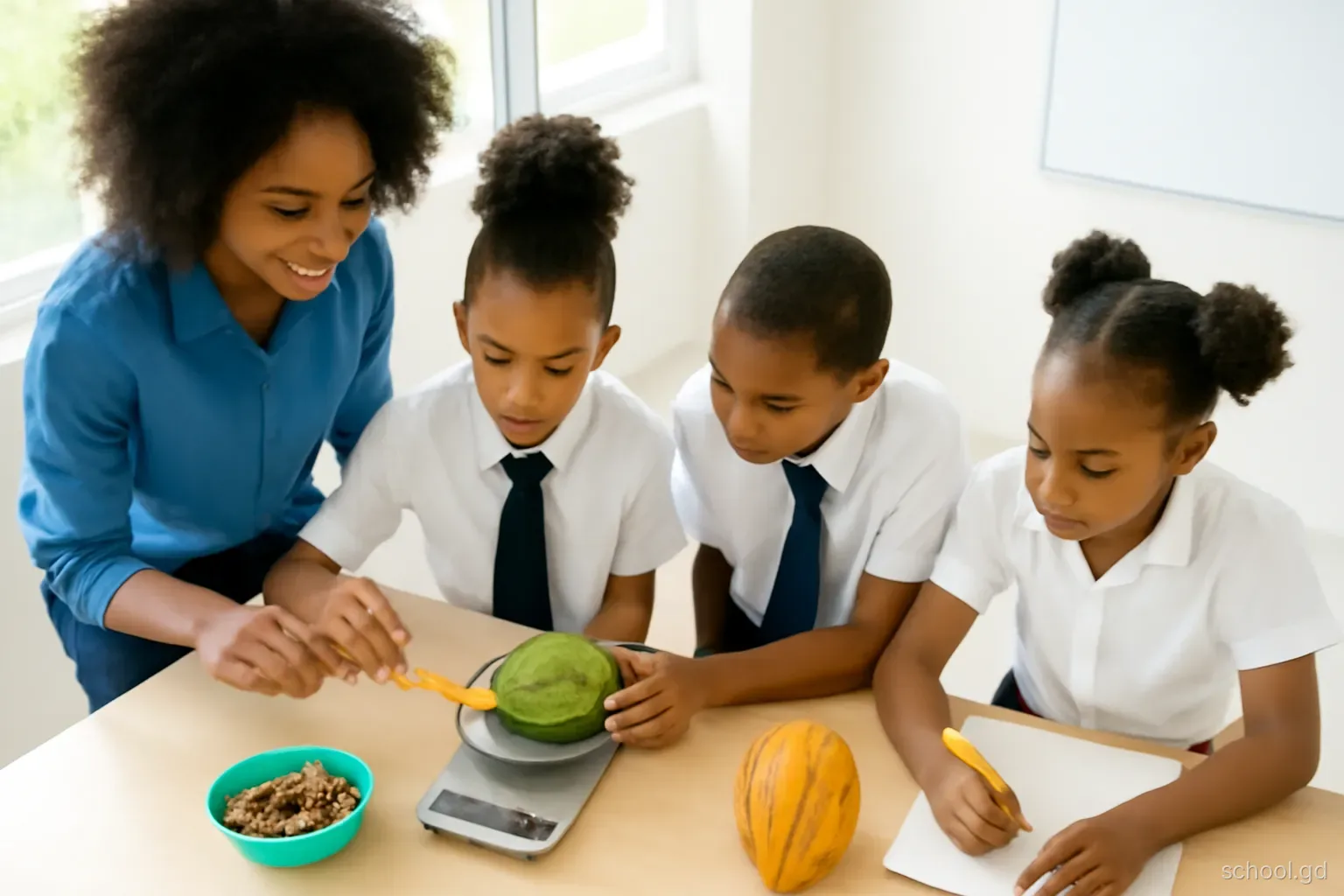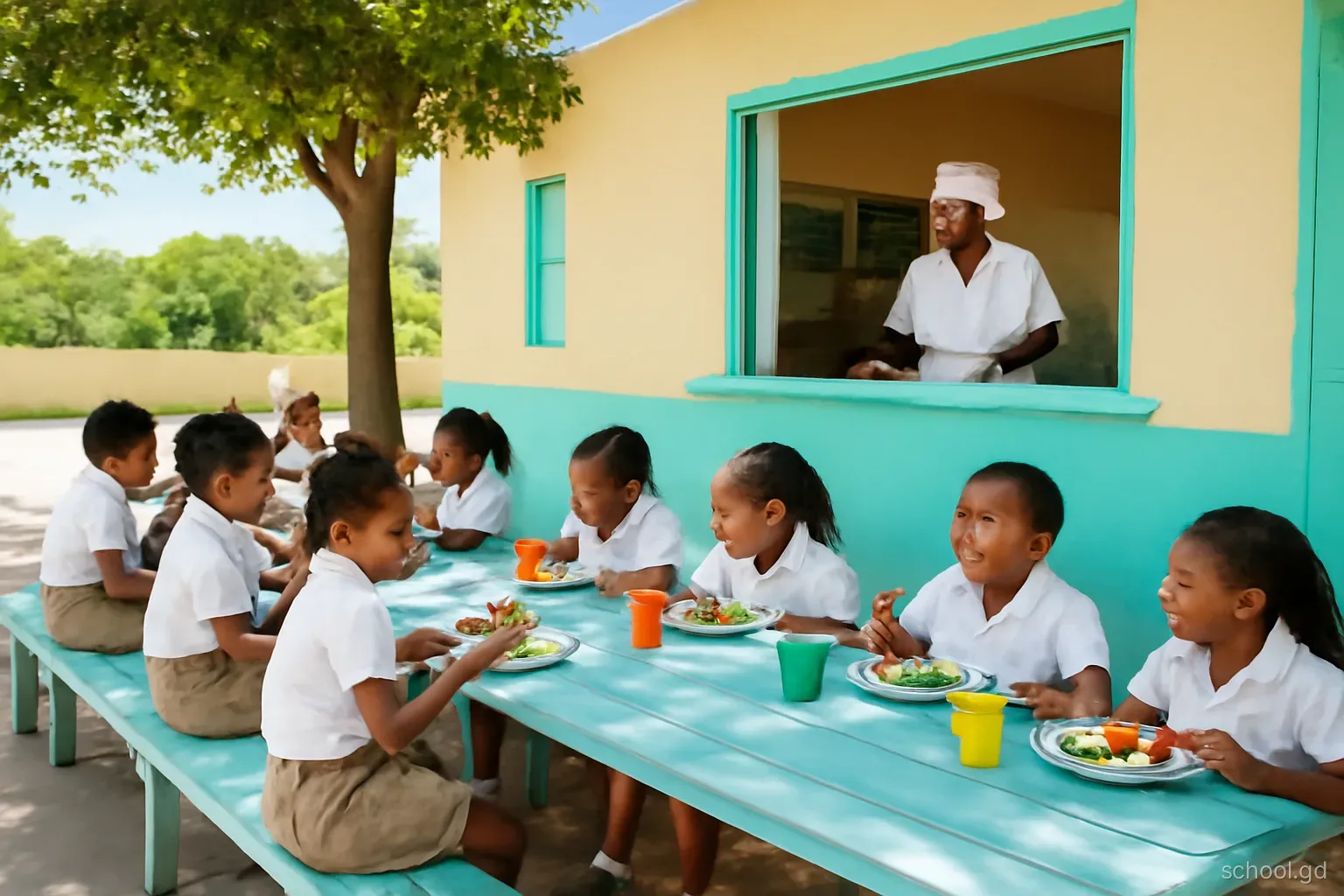
There is no official league table of Grenadian primary schools, and School.gd does not publish one. That surprises some parents, especially those used to inspection grades or test-score rankings, but it is a sensible place to start. Exam results at the end of primary school reflect the children a school takes in at least as much as what the school does with them, and a ranking built on them tells you little about whether a particular school will suit your particular child.
In Grenada the real choice is usually narrower and more practical than it looks. Most children attend a public primary school close to home, government or denominational, and the question is whether the nearest school is the right one or whether it is worth the daily journey to another. This guide sets out what to weigh, what to look for on a visit and the questions that reveal the most.
Start with the map and the school run
Distance shapes daily life more than any other factor. A primary school within walking distance, or on a reliable bus route, means a child who arrives on time, can stay for after-school activities and has friends in the neighbourhood. A school across the island means early starts, traffic on the Grand Anse or Grenville roads, dependence on a car or several minibuses, and a tired six-year-old by the evening.
In St George's and the south, families have several primary schools within a few kilometres and may genuinely be choosing between them. In rural parishes such as St Patrick, St Mark or St David, there may be one or two schools within reach, and the decision is really about whether the local school meets your child's needs.
Map the realistic morning journey at school-run time, not on a quiet Sunday. Ask whether a school bus serves the area, and talk to parents who already do the trip. A school that seems ten minutes away can be forty in term-time traffic, and the rainy season adds its own delays.
What actually differs between schools
Size and class numbers. Popular urban primary schools can have large classes and several streams per grade. Small village schools may have fewer than twenty children in a class, or combine grades. Neither is automatically better: a large school can offer more clubs and specialist teachers, a small one more individual attention.
Leadership. The principal sets the tone. A settled, visible principal who knows children by name is one of the strongest signs of a well-run school, and leadership changes can transform a school in either direction within a couple of years.
Ethos and denomination. Government schools and church schools follow the same curriculum, but the daily religious life, celebrations and expectations differ. Families should be comfortable with the school's character.
Facilities. Look at classrooms, toilets, water supply, shade, play space and whether there is a library corner or computer room. Facilities often depend on PTA fundraising and the condition of buildings repaired after past storms.
Extras. Clubs, music, sports, gardening, reading programmes and after-school supervision vary widely and matter for working parents.
Government or church school, public or private
Most Grenadian primary schools are either government schools or government-assisted church schools, and both are free at the point of use. The difference shows in daily devotions, religious education, links with the parish and sometimes in admissions, where church membership can count at an oversubscribed school. Families who are not churchgoers often attend denominational schools happily; the key is to ask how religious life is handled and to be comfortable with it.
Private primary schools form a smaller group, mainly in the south of the island. They charge fees, usually have smaller classes and may follow an international or overseas curriculum alongside, or instead of, the national one. That can suit families planning to move on, but it may also mean children do not sit the CPEA in the usual way, which matters if they later join a public secondary school.
Whichever route you consider, compare specific schools rather than categories. A well-led government school and a well-led church school have more in common with each other than either has with a poorly run school of its own type.
Making the most of a school visit
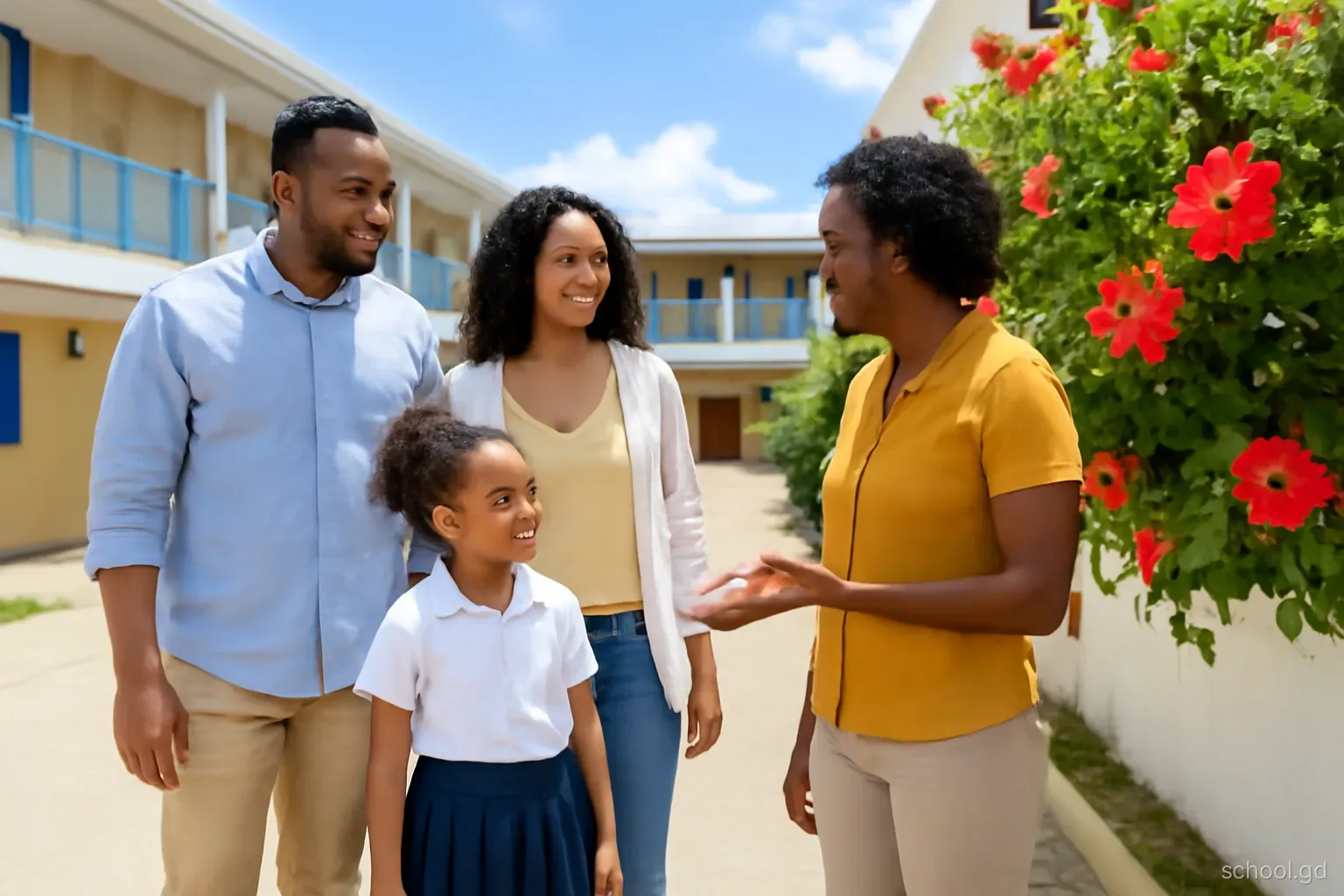
Most principals will see prospective parents by appointment, especially before the September intake. A visit during a normal school morning reveals more than any conversation at the gate:
- Call or visit the school office to request an appointment with the principal, ideally in the second term before your child would start.
- Arrive a little early and watch arrival or break time. Notice how children move around, how staff speak to them and how calm the compound feels.
- Ask to see a kindergarten or lower-grade classroom in session, and look at the work displayed on the walls.
- Check the practical areas: toilets, drinking water, the lunch area, shade in the yard and where children wait to be collected.
- Ask your questions directly and take notes, then visit at least one other school so you have a comparison.
- Talk to two or three parents with children currently at the school, ideally not hand-picked by the school.
Questions worth asking the principal
These questions tend to produce useful answers rather than brochure language:
- How many children are in each kindergarten and Grade 1 class this year, and how many streams are there?
- How long have you and most of your teachers been at this school?
- How do you support children who are struggling with reading or mathematics, and children who are ahead?
- How do teachers communicate with parents day to day, and how often are reports and parent meetings held?
- What is the school's approach to discipline, and how is bullying handled?
- What happens at lunchtime, and does the school take part in the school feeding programme?
- What does the PTA do, and what contributions are parents asked to make during the year?
- Is supervision available after the end of the school day, and until what time?
Popular schools, reputation and the pitfalls of chasing a name
Every parish has schools with strong reputations, often based on history, results in the old Common Entrance or the current CPEA, or the success of former pupils. Demand for places at these schools can exceed supply, and parents sometimes go to considerable lengths to secure one, including using a relative's address. Schools are alert to this, and it can cause problems later.
Reputation lags reality. A school's name may reflect a period years ago, while a quieter school nearby has improved markedly under a new principal. Results also reflect intake: a school that draws from families able to pay for extra lessons will often post higher numbers without necessarily teaching better.
The more useful question is fit. A confident, sociable child may thrive in a big, busy school; a shy or anxious child may do better in a small one where every teacher knows them. A child with additional needs may need a school with a resource teacher. Visiting, asking and trusting your own observations will serve your child better than any league table could.
Red flags and good signs
Small details during a visit often say more than formal answers to prepared questions. No single sign decides the matter, and every school has bad days, so look for patterns across a visit and over conversations with parents. Signs worth noticing include:
- Good sign: children's own work, not just printed posters, displayed on classroom walls and updated during the year.
- Good sign: teachers greeting children by name at the gate and in corridors, and children comfortable approaching adults.
- Good sign: a principal who answers questions directly, including about weaknesses and repairs still needed.
- Red flag: classrooms with no teacher present during lesson time on more than one visit.
- Red flag: broken toilets or no running water with no plan to fix them.
- Red flag: dismissive answers about bullying or about children who learn differently.
Frequently asked questions
Is there a ranking of primary schools in Grenada?
There is no official ranking, and School.gd does not rank schools. CPEA results are reported, but they reflect intake and family circumstances as much as teaching. Visiting schools, meeting principals and talking to current parents gives a far better sense of whether a school suits your child.
Do children have to attend the nearest primary school in Grenada?
There is no strict catchment rule for most schools, but proximity matters in practice, and oversubscribed schools often give priority to children living nearby, siblings or, for church schools, members of the denomination. Ask each school how it decides when there are more applicants than places.
Are small village primary schools in Grenada any good?
Many are excellent. Smaller classes and teachers who know every family can suit young children well. Some combine grades when numbers are low. Facilities and extras may be more limited, so visit and ask about reading support, clubs and how the school prepares children for secondary school.
When should parents start looking at primary schools?
Start in the school year before your child turns five, ideally during the second term, so there is time to visit schools, collect documents and register before the September intake. Popular schools may fill their kindergarten places early.
Should we pay for a private primary school instead?
It depends on your priorities and budget. Private schools offer smaller classes and sometimes international curricula, but many public schools serve children very well at little cost. Compare specific schools on teaching, fit and practicality rather than assuming private is better.