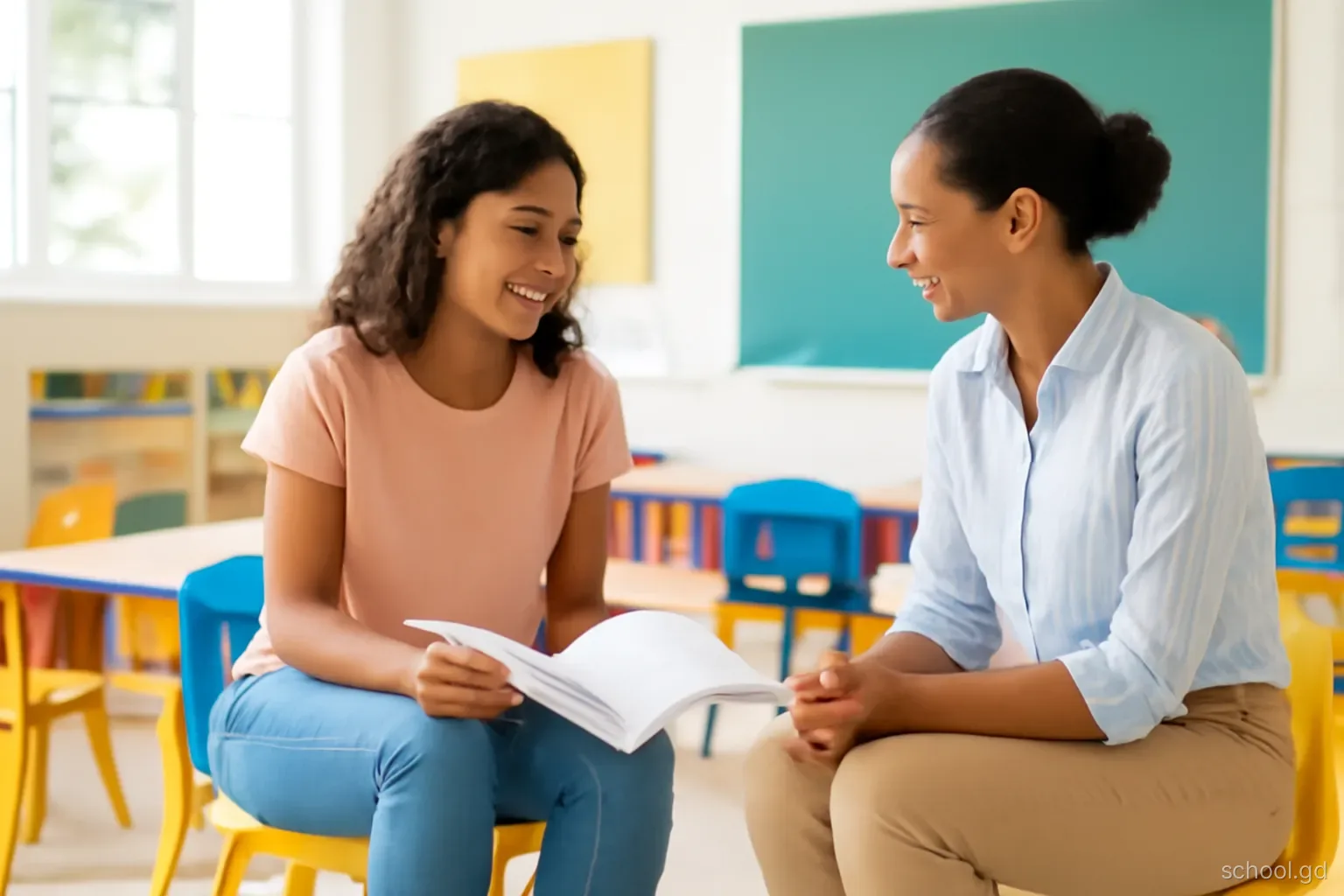
Grenadian primary schools rely heavily on families. Teachers often work with large classes and limited resources, and PTAs quietly fund fans, repairs, printers, prizes and graduation costs. Children whose parents keep in regular, friendly contact with the school tend to have problems spotted earlier and solved faster. Yet parents new to the system, and some who grew up in it, are unsure how much to ask, when to step in and how to raise a concern without souring relationships.
This guide covers the main points of contact between home and a Grenadian primary school: report cards, parent-teacher meetings, homework, PTA life, the class messaging group that has become central to school communication, and how to handle problems in a way that gets results.
Reading the report card
Most primary schools send home a written report at the end of each term. Formats vary, but reports typically show marks or grades for each subject from class tests and end-of-term exams, a position or average in some schools, comments from the class teacher, and remarks on conduct, attendance and punctuality. Some schools have moved towards describing progress against learning outcomes rather than only giving marks.
The comments are often the most useful part. Look for patterns across terms: a teacher noting that a child rushes work, struggles to read instructions or is quiet in group activities is giving you something concrete to act on. Marks in a single test can swing; trends across a year matter more.
If a report includes a class position, treat it carefully. It depends on the class as much as the child, and an emphasis on ranking can discourage children who are working hard and improving. A conversation about what your child can do next is more productive than one about where they placed.
Keep each report in a folder at home. Reports from several years give a useful picture when a child changes school, moves abroad, needs an assessment for additional needs or applies for scholarships later, and schools do not always keep long-term copies that are easy to retrieve.
Getting the most from a parent-teacher meeting
Many schools hold a parent-teacher day each term, and teachers will also usually agree to meet by appointment. A short, focused meeting is worth more than a long general one:
- Before the meeting, look through your child's exercise books and the last report, and note two or three specific questions.
- Ask your child beforehand what they enjoy, what they find hard and anything they would like the teacher to know.
- Arrive on time and keep it brief if others are waiting; ask for a separate appointment if there is a lot to discuss.
- Start by asking how your child is doing generally, then raise your questions. Listen to the teacher's view before offering your own.
- Agree on one or two practical steps, at home and at school, and how you will check in on progress.
- Follow up with a short, polite message thanking the teacher and confirming what was agreed.
Homework: what to expect and how to help
Amount. Homework usually starts small in kindergarten and the lower grades, often reading, letters or number practice, and builds through the upper grades, with Grade 5 and Grade 6 bringing regular assignments and CPEA coursework.
Your role. Provide a quiet place, a regular time and basic supplies, and be available to listen or explain. Resist doing the work yourself; the teacher needs to see what the child can do.
When homework causes tears. If homework regularly takes far longer than the teacher intends, or the child cannot start without help, tell the teacher. It may signal a learning difficulty, a misunderstanding or simply too much.
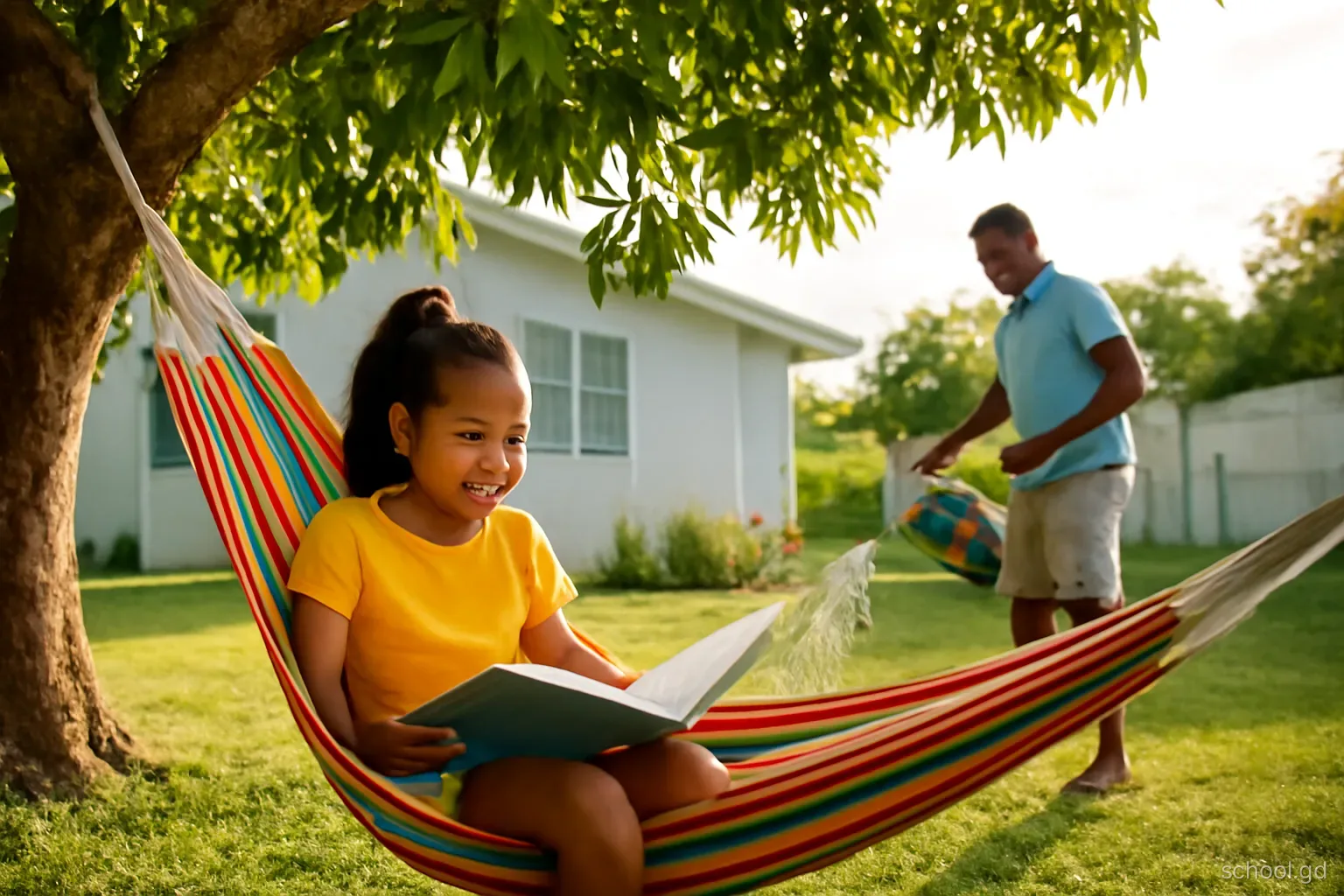
Reading matters most. Reading together or listening to your child read for fifteen or twenty minutes daily does more for their progress than worksheets. Library visits and books at home make a real difference.
Projects. Projects often need materials, printing or a trip to find information. Plan ahead with your child to avoid late-night scrambles for card and glue.
Finally, keep an eye on balance. Children who spend long afternoons on homework and extra lessons with little time to play often grow tired and resentful of school. A teacher who knows a child is overloaded will usually help adjust, so mention it early rather than letting it build up across a term.
The PTA and why it matters
Almost every primary school in Grenada has a Parent-Teacher Association, and in many schools it is one of the most important sources of practical support. PTAs raise money through fairs, food sales, raffles and fun days, and spend it on things the official budget does not stretch to: fans, water tanks, painting, library books, printers, sports equipment, prizes and help for families who cannot afford uniforms or supplies.
PTAs also give parents a collective voice. A concern raised by one parent can be dismissed; the same concern raised through the PTA, on behalf of many families, carries weight with the principal, the church partner and the district education office.
Schools usually ask families for a modest annual PTA contribution, and attendance at meetings varies widely. Families who attend even a few meetings a year hear about changes first, get to know teachers and other parents, and have more say in how money is spent. For newcomers, the PTA is one of the quickest ways to become part of the school community.
Class messaging groups: useful but handle with care
Many teachers now run a class group on a messaging app for announcements, homework reminders and closure notices. These groups are useful, and they can also become a source of friction. Good practice for parents includes:
- Using the group for information that concerns the whole class, and messaging the teacher privately about your own child.
- Never criticising a teacher, another child or another family in the group.
- Respecting the teacher's time: avoid late-night messages and accept that replies may wait until the next school day.
- Checking information before forwarding rumours about closures or exam changes; wait for the school or the Ministry to confirm.
- Not sharing photographs of other people's children outside the group without permission.
- Keeping your own contact details up to date so that urgent messages reach you.
Raising a concern so it gets resolved
Problems happen: a child is being teased, struggling silently, unhappy with a teacher, or coming home with injuries from rough play. The most effective approach in Grenadian schools, as elsewhere, is calm, specific and step-by-step. Start with the class teacher, ideally in person or with a private message asking for a short meeting. Describe what has happened, with dates, and what you would like to see change.
If the issue is not resolved, or concerns the teacher themselves, ask to see the principal. Bring notes of what has already been tried. For church schools, the church education office can be involved in matters concerning ethos or leadership, and for unresolved problems the district education officer is the next step.
Two approaches tend to backfire: confronting a teacher at the gate in front of children and other parents, and taking the complaint straight to social media or radio call-in programmes. In a small country, both can harden positions and make it harder for your child to settle afterwards. Bullying and safety concerns deserve urgency, but urgency works best through the proper channels, followed up in writing.
Frequently asked questions
How often do Grenadian primary schools send report cards?
Most primary schools send a written report at the end of each of the three terms, often with an accompanying parent-teacher day. Formats vary between schools, but reports usually include subject marks or grades, attendance and punctuality, conduct and comments from the class teacher.
How much homework do primary children get in Grenada?
It varies by school and teacher. Lower grades usually get light homework such as reading or number practice, while Grade 5 and Grade 6 bring more regular work and CPEA coursework. If homework regularly takes much longer than expected, discuss it with the teacher.
Do parents have to pay PTA fees in Grenada?
Many schools ask for a modest annual PTA contribution, and PTAs also raise money through events. These funds pay for improvements the government budget does not cover. Schools generally do not exclude children whose families cannot pay; speak to the principal privately if cost is a problem.
How should parents report bullying at a Grenadian primary school?
Tell the class teacher promptly, giving dates and specific incidents, and ask what will be done. If the bullying continues, meet the principal and follow up in writing. For unresolved cases, contact the district education office. Keep notes and reassure your child that reporting was the right thing to do.
Can parents visit the classroom in Grenadian schools?
Parents are usually welcome by arrangement, for meetings, special events, or to help with activities, but dropping into a lesson unannounced is generally discouraged. Ask the teacher or principal about volunteering, reading with children or supporting class events, which many schools appreciate.