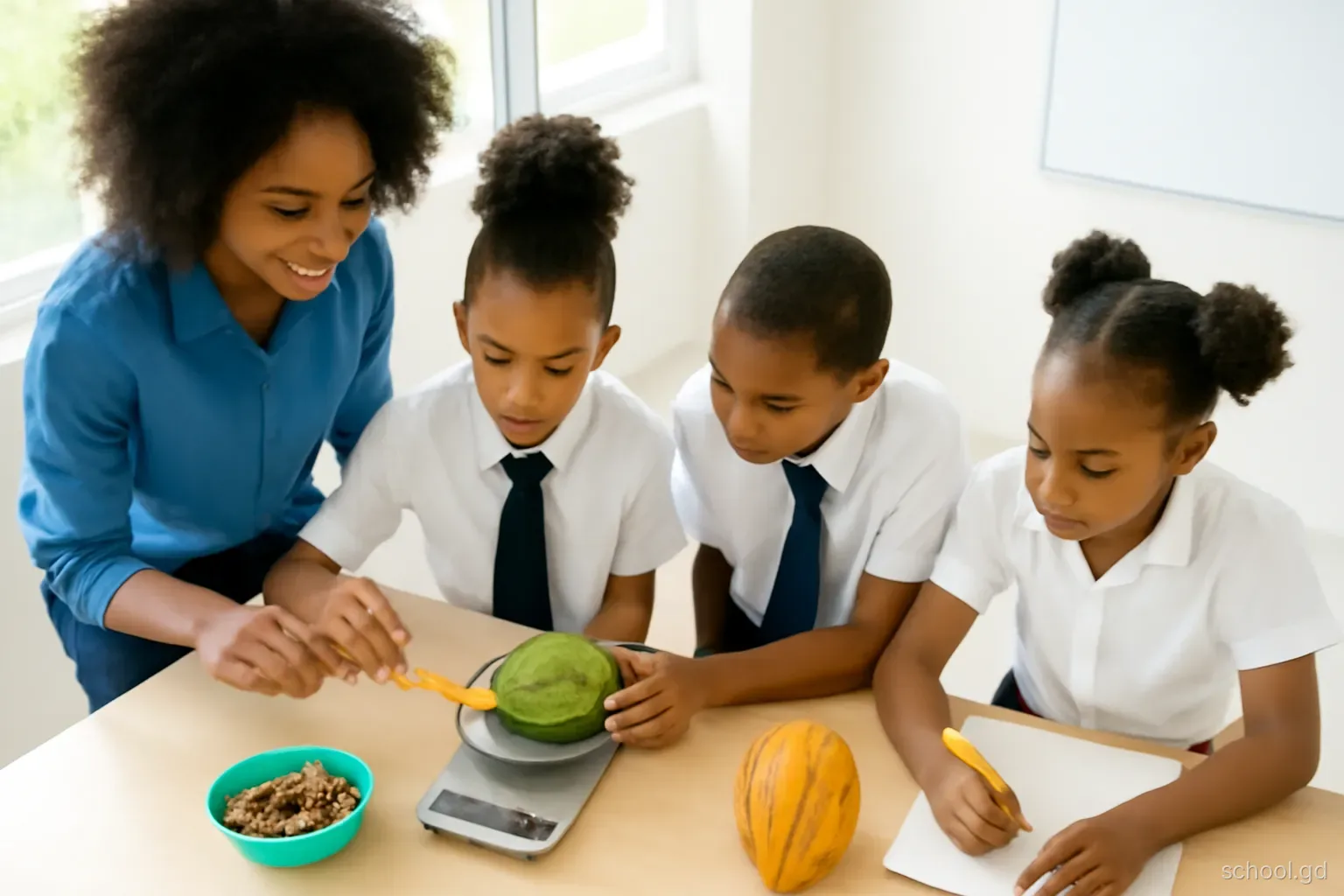
Grenada's primary curriculum is set nationally by the Ministry of Education's curriculum development unit and has been shaped in recent years by work across the Organisation of Eastern Caribbean States to harmonise what children learn in the core subjects. The result is a curriculum that will look familiar in its structure to families from many countries, with language arts, mathematics, science and social studies at its centre, but with Caribbean content, British spelling and its own sequence leading to the CPEA in Grade 6.
This guide describes what children typically learn at each stage, from kindergarten to Grade 6, and how parents can support learning at home. It gives a general picture rather than an official syllabus, and individual schools and teachers vary in pace and emphasis. For the detailed outcomes in any grade, ask the class teacher, who works from the national curriculum guides.
The subjects on the timetable
The core subjects in every public primary school are language arts, covering reading, writing, speaking and listening, spelling and grammar; mathematics; science; and social studies. These four carry most of the timetable and are the focus of the Caribbean Primary Exit Assessment at the end of Grade 6.
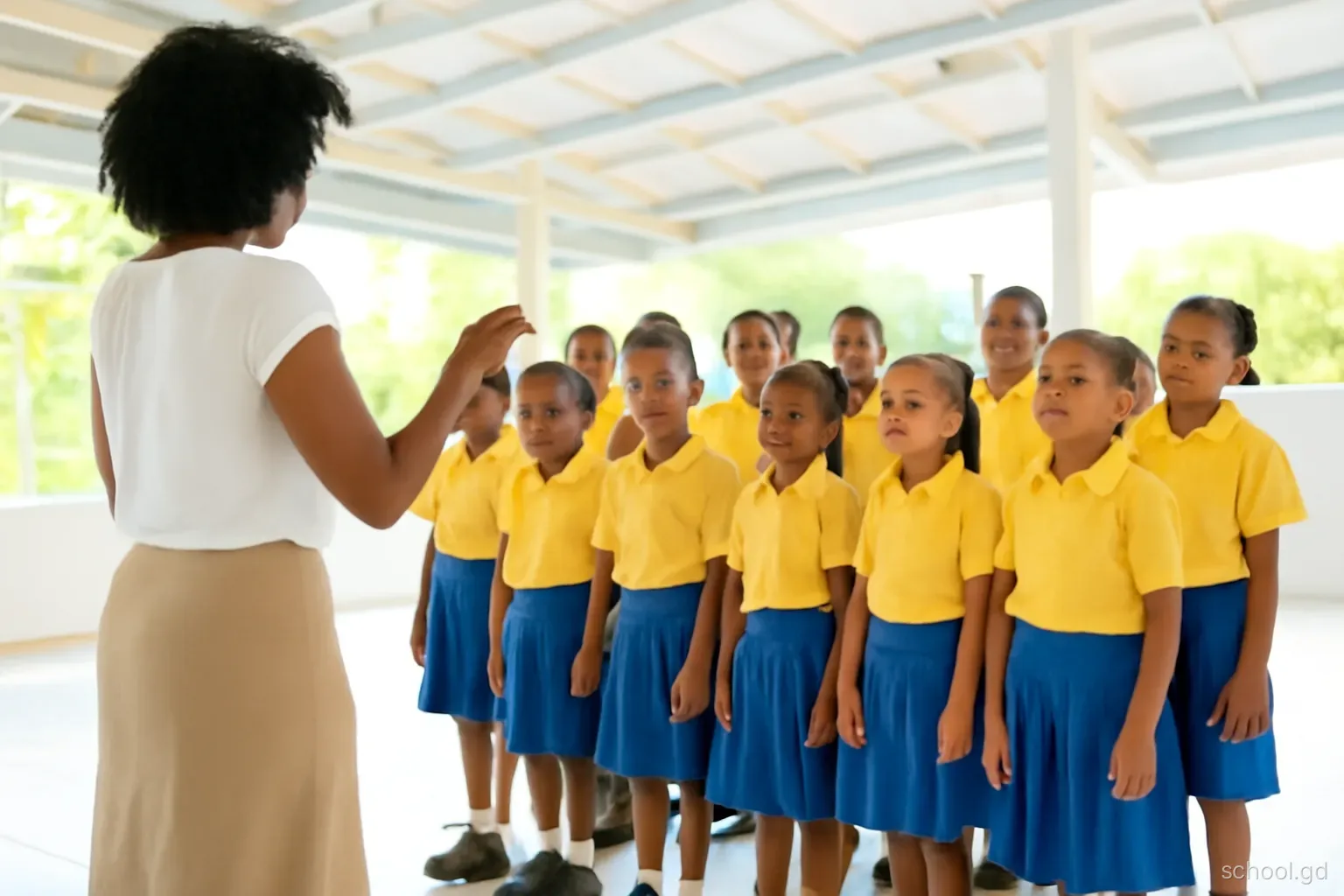
Around them sit health and family life education, known as HFLE, a programme used across the Caribbean that covers personal health, nutrition, relationships, safety and emotional wellbeing in age-appropriate ways; physical education; religious education; and the visual and performing arts, including music, drama and craft. Information and communication technology is taught where equipment allows, and some schools introduce Spanish or French in the upper grades.
Agriculture and school gardens have a long history in Grenadian primary schools, especially in rural parishes, and some schools tie gardening into science and HFLE lessons on food, nutrition and the environment.
Kindergarten to Grade 2: the foundations
Language arts. Children learn letter sounds and names, build phonics skills, read simple books and begin writing letters, words and short sentences. Oral language, songs, rhymes and storytelling are a big part of these years, building vocabulary in Standard English alongside the Grenadian Creole many children speak at home.
Mathematics. Counting, number recognition, place value, addition and subtraction, shapes, patterns, measurement using everyday objects, and early ideas of money and time.
Science and social studies. Topics such as the body, plants and animals, weather, family, home, school and community, often taught through practical activities and local examples.
Social and learning skills. Following routines, taking turns, working in groups, looking after belongings and listening to instructions are taught explicitly, especially in kindergarten.
Progress in these years varies widely, and children who start slowly often catch up quickly once reading clicks. Patience, plenty of talk and stories at home, and close contact with the teacher matter more than early worksheets.
Grades 3 and 4: building fluency
Language arts. Reading becomes more independent, with longer texts, comprehension questions and early work on finding information. Writing develops into paragraphs, with attention to spelling, punctuation and grammar. Children practise different kinds of writing, such as stories, letters and descriptions.
Mathematics. Multiplication and division, multiplication tables, fractions, larger numbers, measurement in metric units, money calculations, simple graphs and word problems.
Science. Life processes, materials and their properties, simple forces, the environment and health, with more experiments and observation.
Social studies. Grenada's parishes, physical features, national symbols and heroes, community helpers, and an introduction to the wider Caribbean. Children learn about the island's history, the importance of the sea and agriculture, and the meaning of national celebrations such as Independence.
These middle years are also when gaps in reading become visible. A child who could get by on memorised words in Grade 1 or 2 may start to struggle when texts lengthen and every subject depends on reading. Teachers often flag this on reports in Grade 3, and acting on it then, with extra reading practice and a conversation about possible difficulties, is far easier than catching up in Grade 6.
Grades 5 and 6: preparing for secondary school
Language arts. More demanding reading across fiction and non-fiction, analysing meaning, inferring and summarising, and extended writing that feeds into the CPEA writing portfolio. Grammar and vocabulary work aims at the standard expected in secondary school.
Mathematics. Decimals, percentages, ratio, more complex fractions, geometry, area and perimeter, data handling and multi-step problem-solving, including performance tasks that apply mathematics to real situations.
Science. Energy, ecosystems, the human body systems, earth and space, and scientific investigation skills: forming questions, testing, recording and drawing conclusions.
Social studies. Caribbean history and geography in more depth, government and citizenship, natural hazards such as hurricanes and volcanoes, including Kick 'em Jenny off Grenada's north coast, and the economy, tourism and environment of the region.
Projects. Coursework often combines science and social studies in an extended project, requiring research, planning and presentation, part of the CPEA school-based assessment.
Language at school and at home
English is the language of instruction, and schools teach Standard English for reading and writing. Many Grenadian children speak Grenadian Creole English at home and with friends, and teachers increasingly recognise this as a strength to build on rather than a habit to stamp out, helping children move between the two depending on the setting. Older generations in some communities also remember Grenadian French Creole, which survives mainly in place names and a few expressions.
For children arriving from North America, the main adjustments are British spelling, some different vocabulary, and the metric system, which Grenada uses alongside some imperial measures in daily life. For children whose first language is not English, schools generally offer support informally through the class teacher, and families may need to arrange extra English tuition, particularly in the early months.
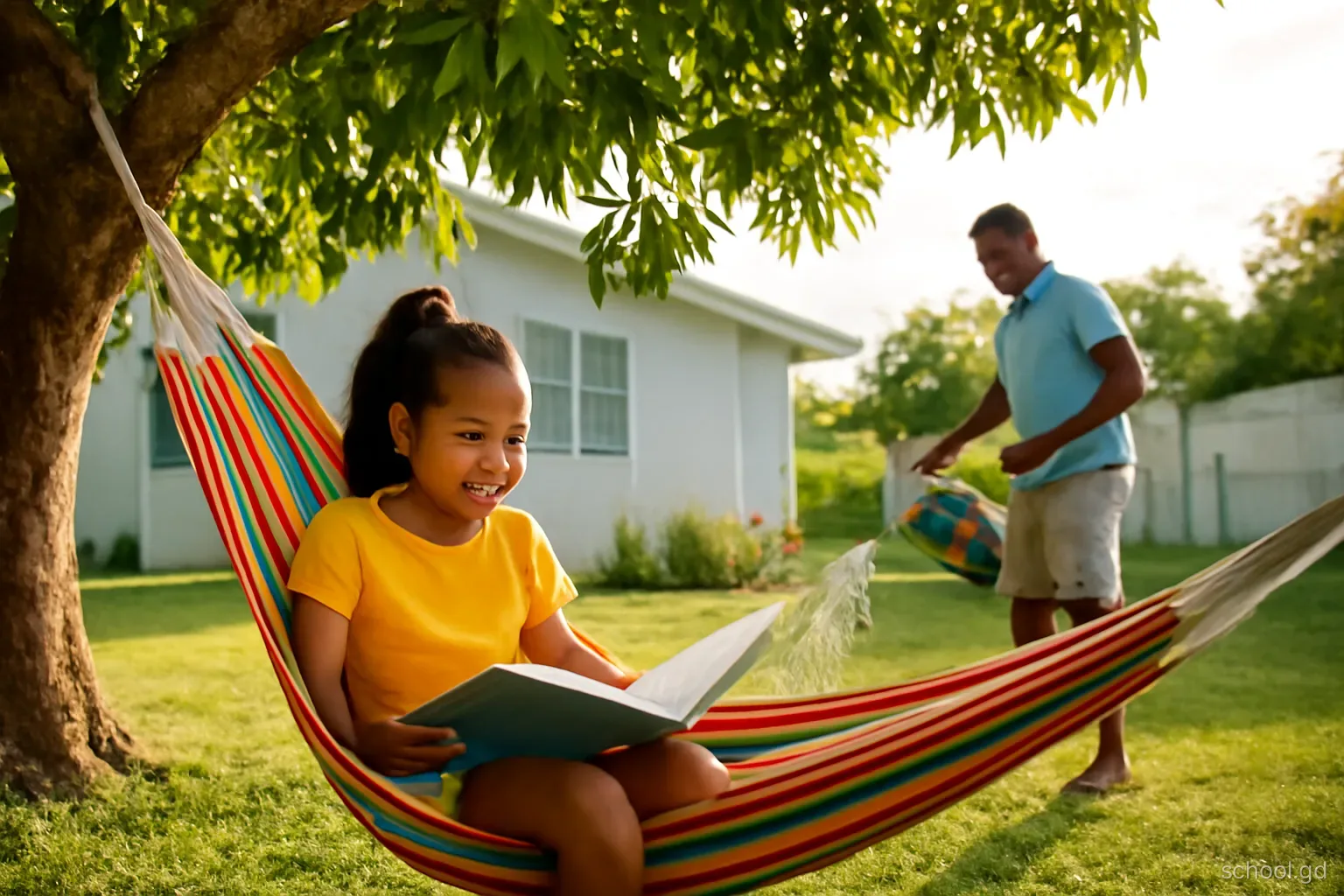
Parents can help by reading in English at home, talking with children about what they read, and valuing whatever other languages the family speaks.
How parents can support learning at each stage
Helping at home does not require teaching the curriculum. The most effective support is simple and regular:
- Kindergarten to Grade 2: read together daily, play counting and shape games, talk about the world around you, and let children help with shopping and cooking to practise numbers and measurement.
- Grades 3 and 4: encourage independent reading of books they enjoy, practise times tables in short bursts, and ask them to explain what they learned in science or social studies.
- Grades 5 and 6: support organisation for coursework, discuss news and local events, visit places linked to topics, such as Grand Etang, Fort George or a cocoa estate, and keep reading for pleasure going.
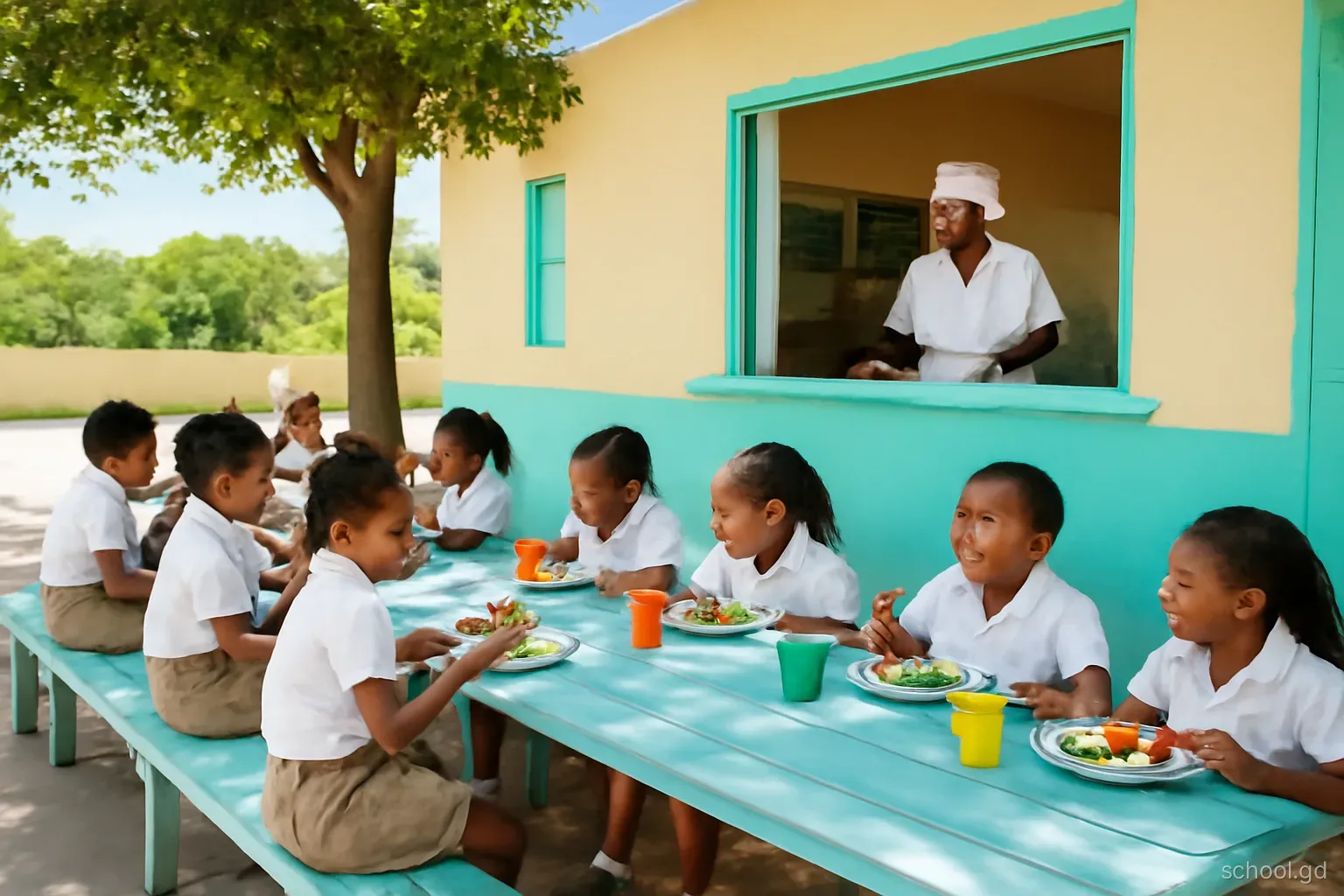
- All grades: make sure children rest, eat well and have time to play. Learning sticks better when children are not exhausted.
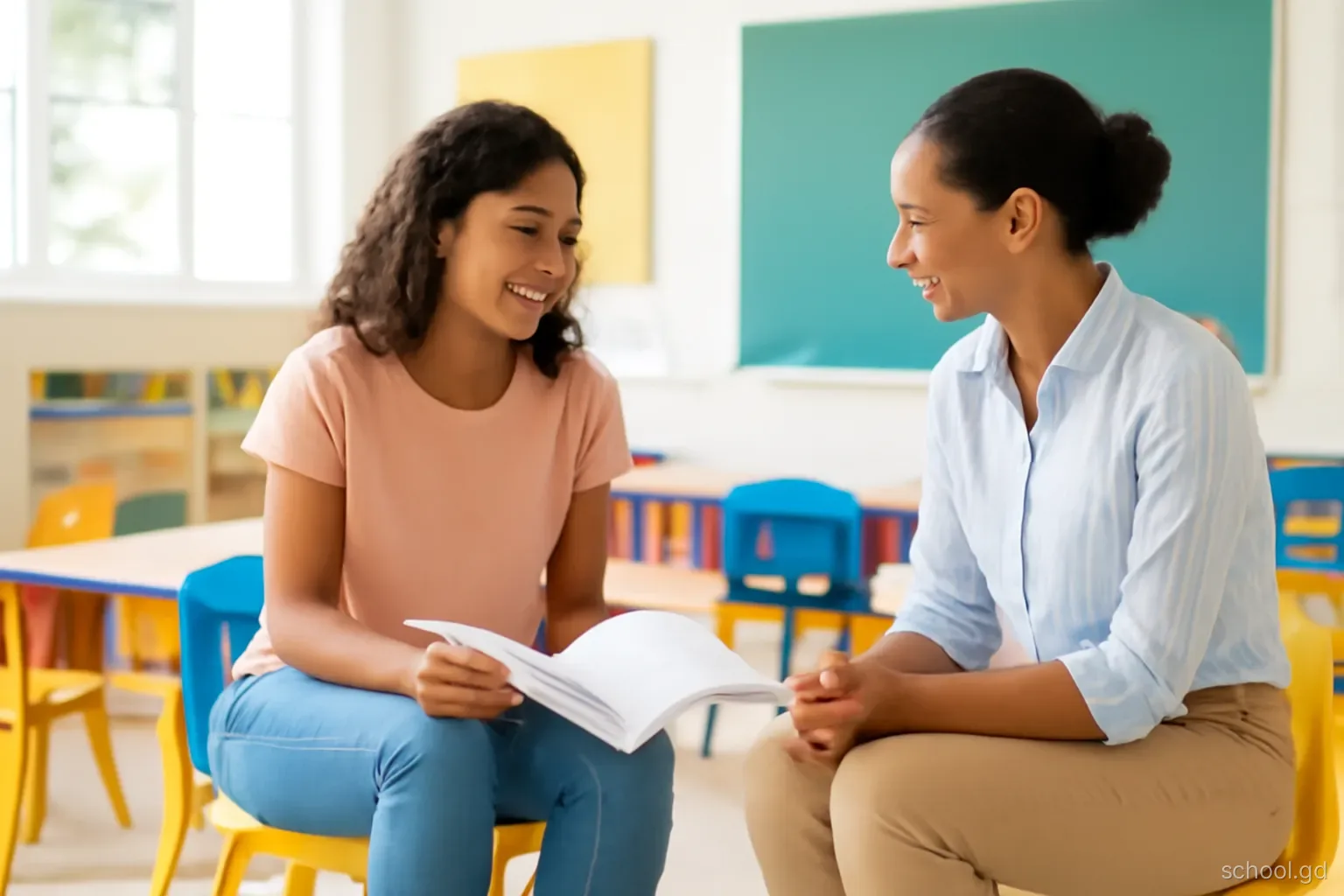
- When there are concerns: talk to the teacher early if your child is falling behind in reading or mathematics, rather than waiting for end-of-term reports.
Pitfalls: what parents commonly misjudge
A frequent mistake is to measure progress only through marks on tests and end-of-term exams. These give a snapshot, but a child's reading habits, confidence with problem-solving and ability to explain their thinking tell you more about how they will cope in secondary school. Ask the teacher about those as well.
Another is to focus only on English and mathematics. Science, social studies and project work feature in the CPEA and build skills, such as researching, organising and presenting, that matter for CSEC later. Children who enjoy those subjects should be encouraged, not told they are less important.
Finally, families moving from abroad sometimes judge the curriculum by its resources rather than its content. Classrooms may have fewer devices or books than in some countries, but the curriculum content is broadly comparable in standard, and many Grenadian children move on successfully to schools and universities around the world.
Frequently asked questions
What curriculum do Grenada primary schools follow?
Public primary schools follow Grenada's national curriculum, set by the Ministry of Education and developed in line with OECS work on harmonising core subjects. It covers language arts, mathematics, science and social studies at its core, with HFLE, physical education, religious education and the arts alongside.
Do Grenadian primary schools teach a foreign language?
Some schools introduce Spanish or French in the upper primary grades, depending on staff and resources, but foreign languages are taught more systematically in secondary school. Ask your child's school whether it offers a language and from which grade.
What is HFLE in Grenada schools?
HFLE stands for Health and Family Life Education, a programme used in schools across the Caribbean. It covers personal health, nutrition, physical activity, relationships, safety and emotional wellbeing in ways suited to each age group, and continues into secondary school.
Is Grenada's primary curriculum similar to the UK or US?
The core subjects and general standard are broadly comparable, but the content focuses on the Caribbean, spelling follows British conventions, and the sequence leads to the CPEA. Children moving between systems usually adjust well, especially with good records and a little support at the start.
Do Grenadian schools teach in Creole?
No. English is the language of instruction, and schools teach Standard English for reading and writing. Many children speak Grenadian Creole English at home, and good teachers build on that, helping children use each form appropriately in different settings.