Look at a list of Grenada's schools and the pattern is obvious: RC, Anglican, Methodist, Presbyterian, SDA, and then a group simply named after their village or parish. Families arriving from countries where public schooling is strictly secular often ask whether these are private religious schools. Mostly they are not. They are part of a public system built on a long partnership between churches and the state, in which the churches supplied buildings and leadership and the government gradually took over the cost of teachers and running the system.
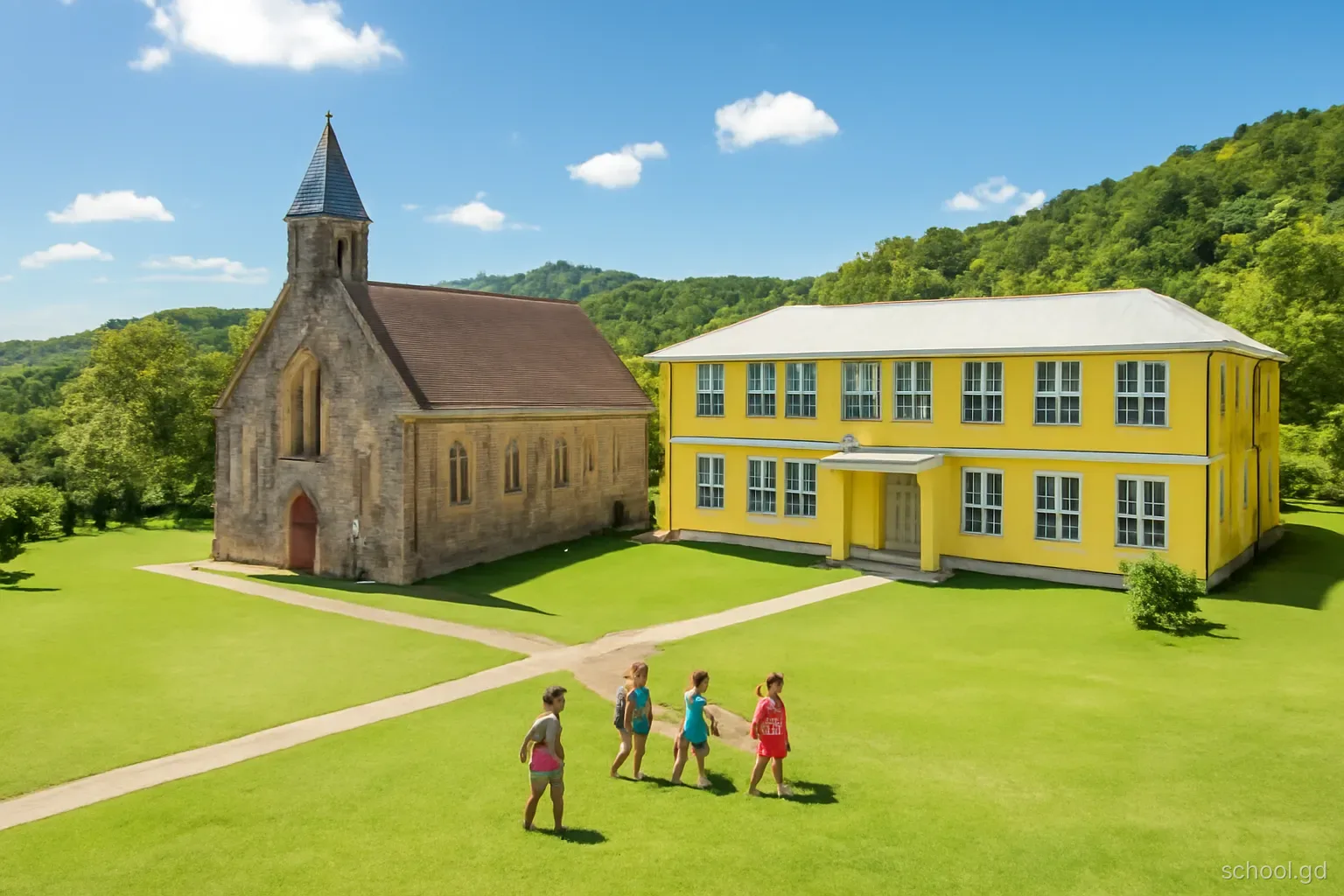
Understanding how that partnership came about explains a great deal about school life today: why prayers open the day in most schools, why principals are often appointed with church input, why some school compounds sit right beside a parish church, and why the question of which school a child attends has never been only about distance.
The sections below trace the system from the first mission schools after emancipation, through the slow expansion of secondary education and the reforms after independence, to the way church and government divide responsibilities now. The aim is practical: a parent who knows why a school is organised the way it is will ask better questions at enrolment and will know which authority to approach about what.
Missionaries, emancipation and the first schools
Organised schooling for the general population in Grenada grew out of the period around emancipation in the 1830s. Before that, formal education was largely the preserve of the planter class, often by sending children abroad. After emancipation, churches took the lead in teaching the formerly enslaved population and their children to read, with the Anglican and Roman Catholic churches most prominent and Methodist and Presbyterian missions also active.
Grenada's dual French and British colonial history shaped which church dominated where. The island's long French period left a strong Catholic presence that remained the majority faith under British rule, while the Anglican Church was the established church of the colonial government. Rivalry between the two over schools, funding and influence ran through the nineteenth century, and similar tensions played out in other Windward Islands.
Colonial governments in the region began offering grants to church schools in return for meeting standards and accepting inspection. This grant-in-aid model is the direct ancestor of today's government-assisted denominational school: the church provides and manages, the state funds and supervises.
Secondary schooling and the twentieth century
Secondary education developed later and for far fewer students. The Grenada Boys' Secondary School, a government school, dates from the 1880s. Church-run secondary schools such as the St Joseph's Convent schools for girls, the Anglican High School and later the Presentation Brothers' College for boys became, alongside it, the core of an education that for decades reached only a minority of Grenadian children, chosen through examinations and often limited by fees.
Through the middle of the twentieth century, pressure built to widen access. More primary schools were built, teacher training was formalised, and new secondary schools opened in the parishes, some by churches and some by government. After independence in 1974, and especially during the People's Revolutionary Government period from 1979 to 1983, education became a political priority, with campaigns on adult literacy, teacher training and making secondary schooling more affordable.
In the following decades the big shifts were the expansion of secondary places towards universal access, the replacement of British O-level and A-level exams with the regional CXC system, and the creation of T.A. Marryshow Community College in 1988, which consolidated several post-secondary institutions.
How the partnership works today
Who pays. In government-assisted denominational schools the state pays teachers, who are public servants, and covers most recurrent costs. Churches typically own or hold the land and buildings, and contribute to maintenance, though money for repairs is a constant pressure for both sides.
Who leads. Principals are appointed through the public service, but church education authorities usually have a recognised voice, especially in confirming that a candidate fits the school's religious character. Boards or management committees bring church, Ministry and parents together.
What is taught. All public and assisted schools follow the national curriculum and prepare students for the same national and regional assessments. The difference lies in ethos: religious instruction, worship, the observance of feast days and links with the parish.
Who attends. Denominational schools are not reserved for members of the church. Children of all faiths and none attend, though church membership can count in admissions where a popular school has more applicants than places.
Religion in everyday school life
In most Grenadian schools, government ones included, the day begins with an assembly or devotion that usually includes a hymn and prayer. Religious education appears on the timetable in many schools, and in denominational schools it reflects the founding church's teaching. Catholic schools may mark holy days of obligation and prepare children for sacraments in cooperation with the parish; Anglican and Methodist schools may hold services for the start and end of the school year.
Families of other faiths, or none, sometimes worry about this. In practice, most schools are used to a mixed population and will discuss arrangements, although a denominational school is entitled to keep its character and parents choosing it are expected to accept that. Asking at enrolment how religious instruction and worship are handled, and whether a child may sit out particular activities, avoids misunderstandings later.
Seventh-day Adventist schools have their own pattern, with Saturday as the Sabbath and a distinct approach to some activities and diet, which matters for families considering them.
Rebuilding after storms and the cost of old buildings
The partnership also shows in how schools are repaired. Hurricane Ivan in September 2004 damaged or destroyed a large proportion of Grenada's school buildings, along with most homes on the island. Reconstruction drew on government funds, regional and international donors and the churches' own fundraising, and the rebuilt schools of the mid-2000s still make up a good part of the estate. Hurricane Emily in 2005 and Hurricane Beryl in July 2024, which struck Carriacou and Petite Martinique especially hard, brought further rounds of damage and repair.
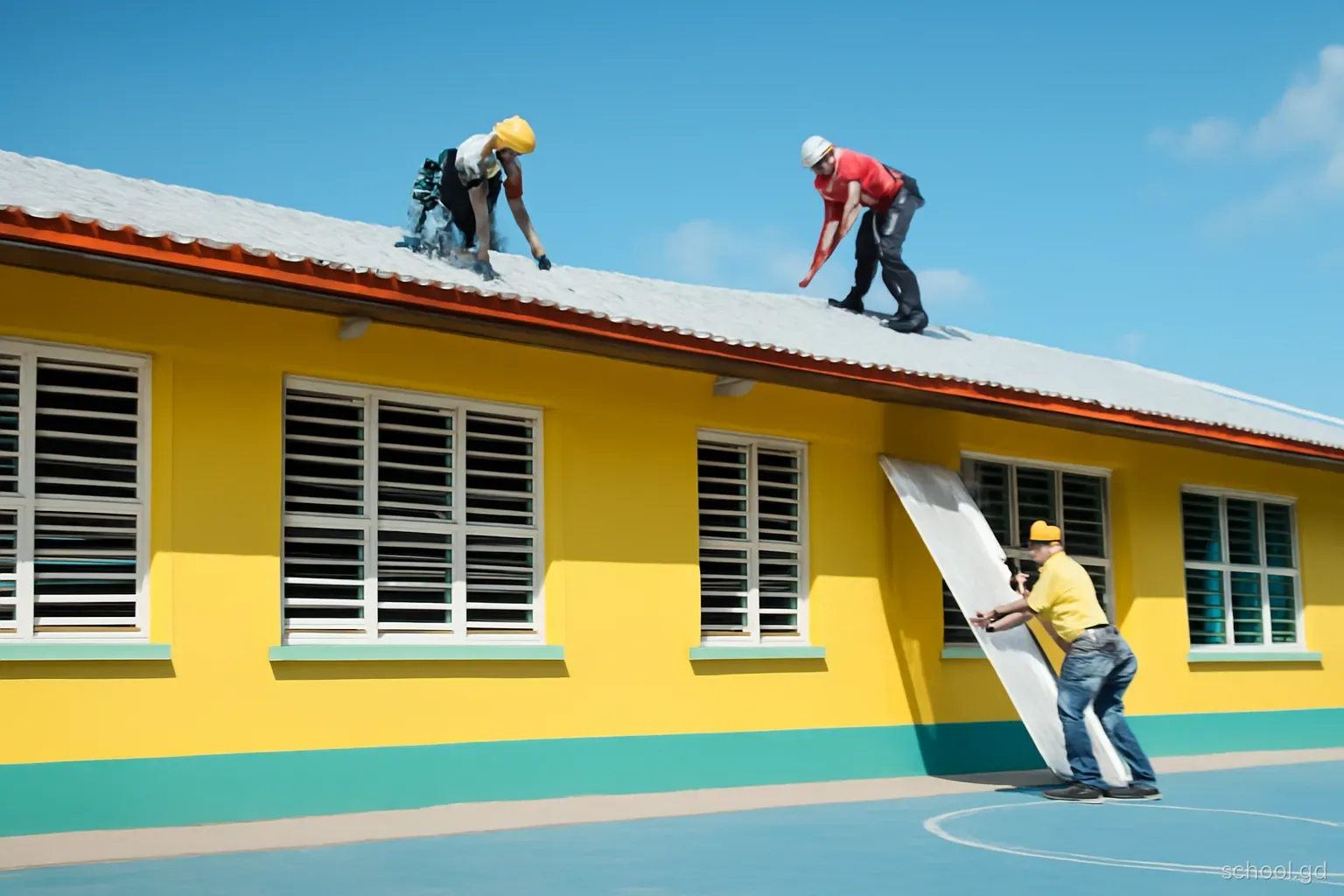
Older denominational buildings, some of them close to a century old, carry specific challenges: ageing roofs, limited space for modern science labs or computer rooms, and compounds hemmed in by the church, the road and neighbouring houses. Responsibility for major works can be shared or disputed between church and state, and progress can be slow. When visiting a school, it is fair to ask about planned repairs, toilets and water supply, ventilation and fans, and how the building is used as a hurricane shelter, since many schools double as emergency shelters during storms.
What this means when choosing a school
For a family weighing options, the denominational history translates into a few practical questions worth asking any public school:
None of these questions is awkward to ask. Principals in Grenada are used to them, and the answers often tell a parent more about the feel of a school than any brochure or reputation passed along by neighbours.
- Is the school government-owned or government-assisted, and which church, if any, is its partner?
- How are assemblies and religious education run, and can a child be excused from particular parts?
- Does church membership play any part in admissions, and is a baptismal or membership certificate requested?
- Are there church-related events during the year, such as feast-day masses or services, that families are expected to attend?
- Who to approach about ethos questions: the principal first, then the church's education office.
- How active is the school board or PTA, and how are repairs and improvements funded?
Frequently asked questions
Why are so many Grenada schools run by churches?
Churches built and ran most of the early schools after emancipation, and the colonial government chose to fund them through grants rather than build a separate state system. That partnership continued after independence, so many public schools today are church-owned but government-funded and staffed.
Do you have to be Catholic to attend a Catholic school in Grenada?
No. Catholic and other denominational schools in the public system take children of all backgrounds. Where a school is oversubscribed, church membership may be considered in admissions, and children are expected to take part in the school's religious life unless an arrangement is agreed.
Do government schools in Grenada have prayers?
Most do. Assemblies in Grenadian schools commonly include a hymn or prayer, reflecting the country's strong Christian culture, even in schools with no church partner. Families who would prefer their child not to take part should talk to the principal about what is possible.
Are church schools in Grenada better than government schools?
There is no fair way to say one type is better. Both follow the same national curriculum and draw teachers from the same public service. Differences come from leadership, facilities, community support and fit with your child, which is why visiting schools matters more than labels.
When did Grenada start using CXC exams?
Grenada, like other member states of the Caribbean Examinations Council, moved from British O-level examinations to CXC's regional secondary exams after the council began offering them in the late 1970s, and later adopted CAPE in place of A-levels for advanced study.