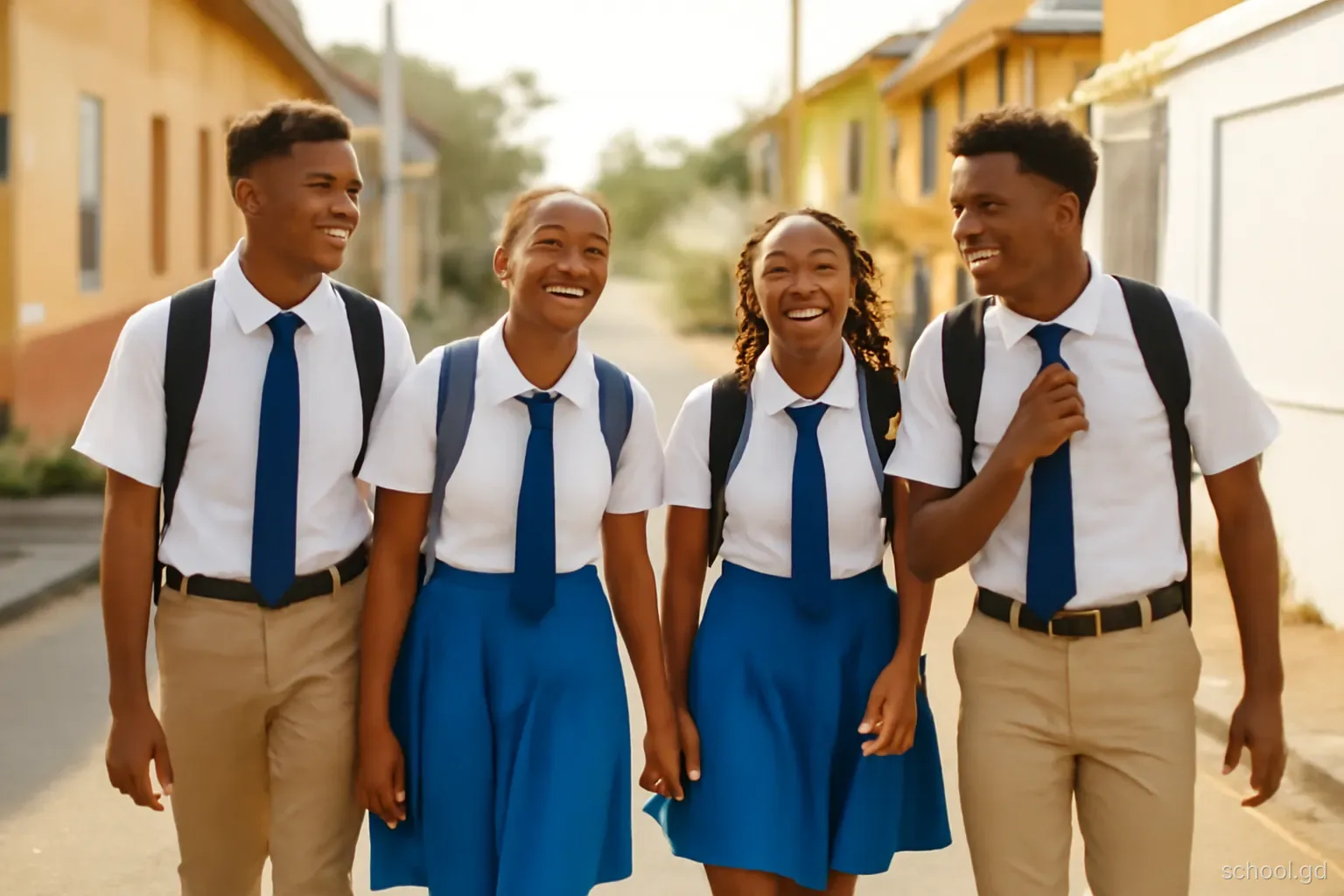
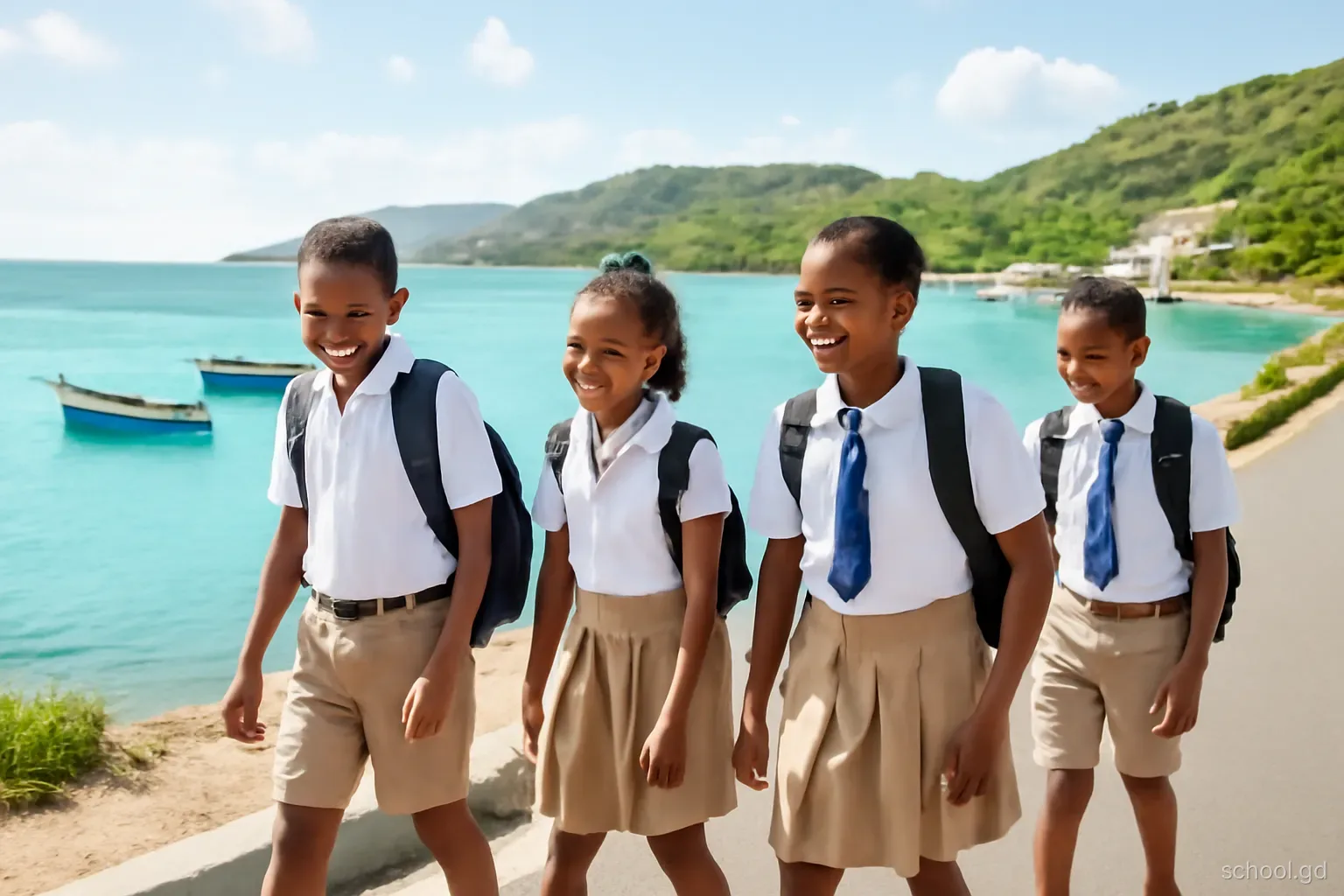
On Carriacou and Petite Martinique, school is closer to the centre of community life than almost anywhere on the mainland. The schools are small, families know the teachers, children walk or catch a ride to class, and an entire island turns out for a graduation or a sports day. The same national curriculum and the same regional examinations apply as in St George's, but the scale, the distances and the dependence on boats and the mainland make the experience distinct.
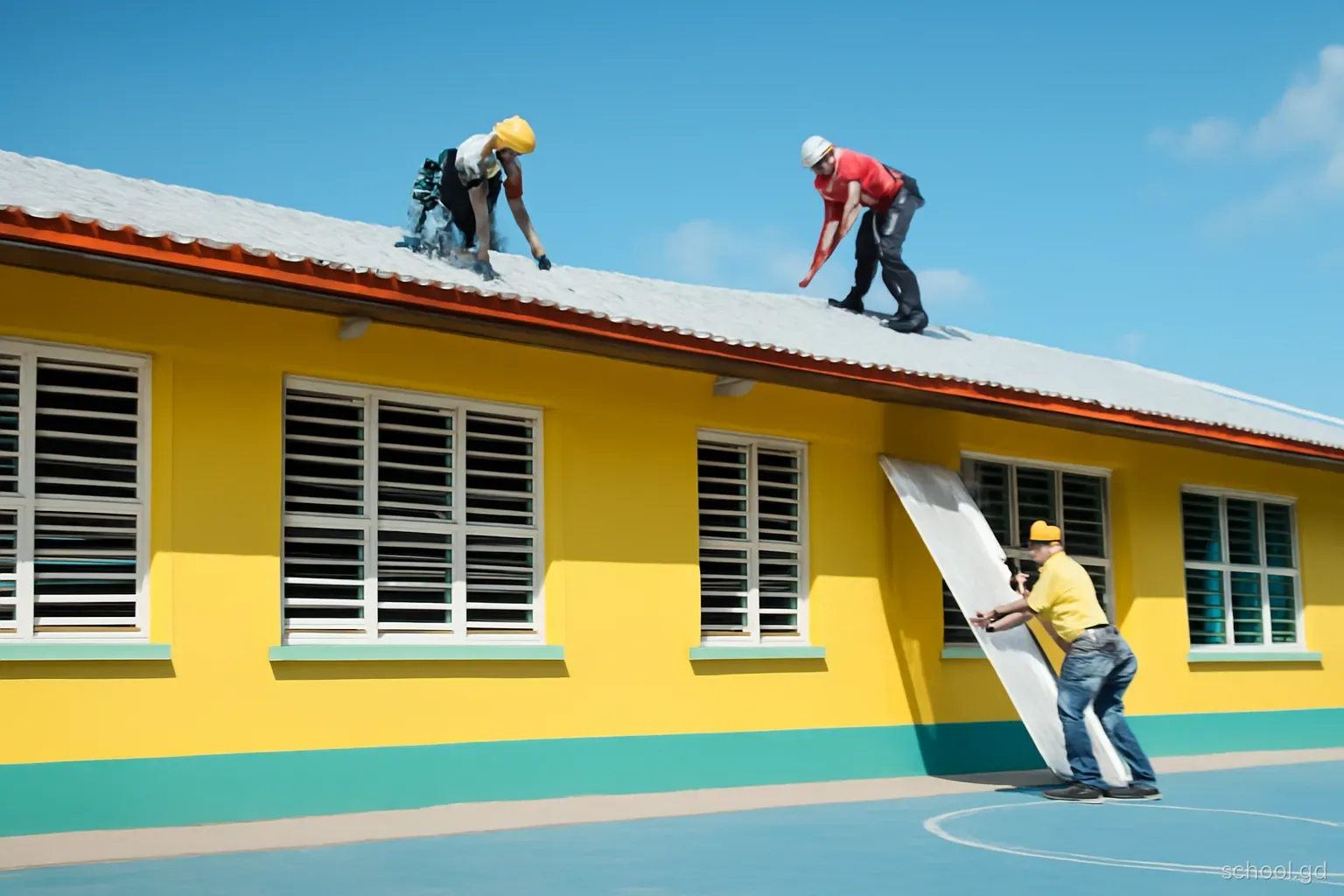
Hurricane Beryl struck both islands in July 2024, damaging homes, infrastructure and school buildings and disrupting the following school year. Recovery has been under way since, but conditions at particular schools may still differ from how they were before the storm, so families should confirm current arrangements directly with the schools and the education office in Hillsborough rather than relying on older descriptions.
What follows covers how the two islands fit into the national system, what primary and secondary schooling look like on a small island, the move to the mainland that most students eventually make, and the practical questions newcomers should ask, including the ones specific to the period after Beryl.
How the system is organised on the sister isles
Schools on Carriacou and Petite Martinique are part of Grenada's national system under the Ministry of Education. They follow the same curriculum, the same school calendar with some local variation, and the same assessments: the Caribbean Primary Exit Assessment at the end of primary school and CXC examinations at secondary level. The sister isles are treated as their own education district, with a district education officer based on Carriacou.
The Ministry of Carriacou and Petite Martinique Affairs, in Hillsborough, coordinates government services on the two islands and plays a significant role in practical matters such as transport, building repairs and community programmes. For a parent, this means questions about schooling can involve both the local district office and the Carriacou ministry.
As on the mainland, several schools have church partners, with the Anglican and Roman Catholic churches long established on Carriacou, alongside government schools serving particular villages.
Primary schools: small, close and multi-grade
Carriacou has a number of primary schools spread around the island, serving communities such as Hillsborough, L'Esterre, Harvey Vale, Bogles, Windward and the villages in between, and Petite Martinique has its own primary school. Compared with the mainland, enrolments are small, and some schools combine more than one grade in a single class when numbers are low.
Multi-grade classes can work very well, with younger children learning from older ones and teachers knowing every child individually, but they demand a lot from teachers and can stretch resources. Parents moving from larger systems sometimes worry about it at first and then come to value the closeness.
Because the islands are small, school choice is largely shaped by where a family lives. Distances are short by mainland standards, yet roads can be steep and public transport limited, so getting a young child to a school at the other end of Carriacou every day is a real commitment.
Secondary schooling and the move to the mainland
Carriacou has secondary provision on the island, including Bishop's College, an Anglican-linked secondary school, and secondary education on the sister isles has been expanded over the years so that most students no longer need to leave home at eleven or twelve. Petite Martinique students have historically travelled to Carriacou for secondary school or attended local provision where offered, so families there should ask the education office about current arrangements.
Secondary placement after the CPEA follows the national process, but in practice most Carriacou students are placed on Carriacou. Some families choose to send a child to a secondary school on the mainland, usually to stay with relatives, for reasons such as subject choices, sports or a family connection. This is a big decision for a twelve-year-old, and placement on the mainland is not automatic.
After CSEC, the move to the mainland becomes common. CAPE and most post-secondary programmes are concentrated at T.A. Marryshow Community College on Grenada, so many students leave home at sixteen or seventeen, boarding with family or arranging lodging in St George's.
Planning for that move is worth starting in Form 4. Families compare the cost of lodging and travel, decide whether a relative on the mainland can host, and look at whether any programmes, including online and UWI Global Campus (formerly the Open Campus) options, can be followed from Carriacou for part of the time.
Teachers, community and the feel of a small-island school
Teachers on the sister isles are part of the national teaching service, and some are posted from the mainland while many are Carriacouans or Petite Martiniquans who trained at T.A. Marryshow Community College and came home. That mix brings both continuity and turnover: a much-loved teacher may stay for decades, while a teacher posted from St George's may move back after a few years. In a small school, one staffing change can reshape a child's year.
Community involvement is strong. Churches, village councils, sports clubs, returning nationals and family members abroad have long supported school projects, from repairs to prizes and scholarships. Cultural life also runs through the schools: Big Drum dances, quadrille and the stories of the islands' boatbuilding and seafaring past are part of what children learn about, and school groups often perform at Carriacou Maroon and String Band Music Festival events or Regatta celebrations.
For families moving in from abroad, this closeness is the main attraction and the main adjustment. Children are known, watched over and quickly drawn into island life, and privacy is limited. Parents who join the PTA, help at events and talk regularly with teachers tend to settle fastest.
Practical realities for families
Transport to the mainland. Inter-island ferry and flights connect Carriacou with Grenada, and Petite Martinique connects mainly through Carriacou. Schedules can change, and rough seas occasionally cancel sailings, which affects students commuting at the start and end of term and anyone travelling for exams or appointments.
Specialist services. Educational psychologists, therapists and some medical specialists are based on the mainland, so families of children with additional needs should expect regular travel.
Exam centres. CXC examinations are written at approved centres on Carriacou, so secondary students do not usually need to travel to St George's for their papers, though they may for some practical components or special arrangements.
Extracurricular options. Sports, music and clubs exist but on a smaller scale. Sailing, fishing and the islands' strong traditions in boatbuilding, Big Drum and the Carriacou Regatta give children opportunities the mainland cannot match.
Supplies. Uniforms, textbooks and school supplies may be easier or cheaper to source on the mainland, so families often buy during a trip to St George's before term starts.
After Hurricane Beryl: what to check
Hurricane Beryl in July 2024 caused severe damage on both islands, and school buildings were among the structures affected. Some schools needed repairs, temporary arrangements or shared premises while rebuilding went on. Before enrolling, it is sensible to ask:
- Is the school operating in its own building, a temporary site or shared premises, and for how long is that expected to last?
- Are water, electricity, toilets and roofs fully restored, and is the building designated as a hurricane shelter?
- Has the school's staffing returned to normal, or are teachers covering extra classes?
- Are textbooks and learning materials lost in the storm replaced, or should families buy their own?
- What support is available for children still affected by the storm, including counselling through the Ministry or NGOs?
- How will the school communicate in a future emergency, and how quickly does it expect to reopen after a storm?
Frequently asked questions
Are there secondary schools on Carriacou?
Yes. Carriacou has secondary provision on the island, including Bishop's College, so most students complete secondary school and sit CSEC without leaving home. For CAPE and most college programmes, students usually move to the mainland to attend T.A. Marryshow Community College.
Is there a school on Petite Martinique?
Petite Martinique has its own primary school serving the island's small population. Arrangements for secondary schooling have historically involved Carriacou, so families should confirm the current options with the education district office in Hillsborough before planning a move.
Were Carriacou schools damaged by Hurricane Beryl?
Yes. Hurricane Beryl in July 2024 damaged many buildings on Carriacou and Petite Martinique, including schools, and disrupted the following school year. Repairs and rebuilding have continued since, so families should check each school's current premises and facilities directly.
Do Carriacou students follow the same curriculum as Grenada?
Yes. Schools on Carriacou and Petite Martinique follow the national curriculum and sit the same CPEA and CXC examinations as students on the mainland. Day-to-day differences come from smaller class sizes, multi-grade classes in some primary schools and the islands' own traditions.
Can a Carriacou child attend secondary school in St George's?
It is possible, usually when a family has relatives to stay with, but it is not automatic. Placement follows the national process after the CPEA, and families should discuss preferences with the primary school and district office well before results are released.