
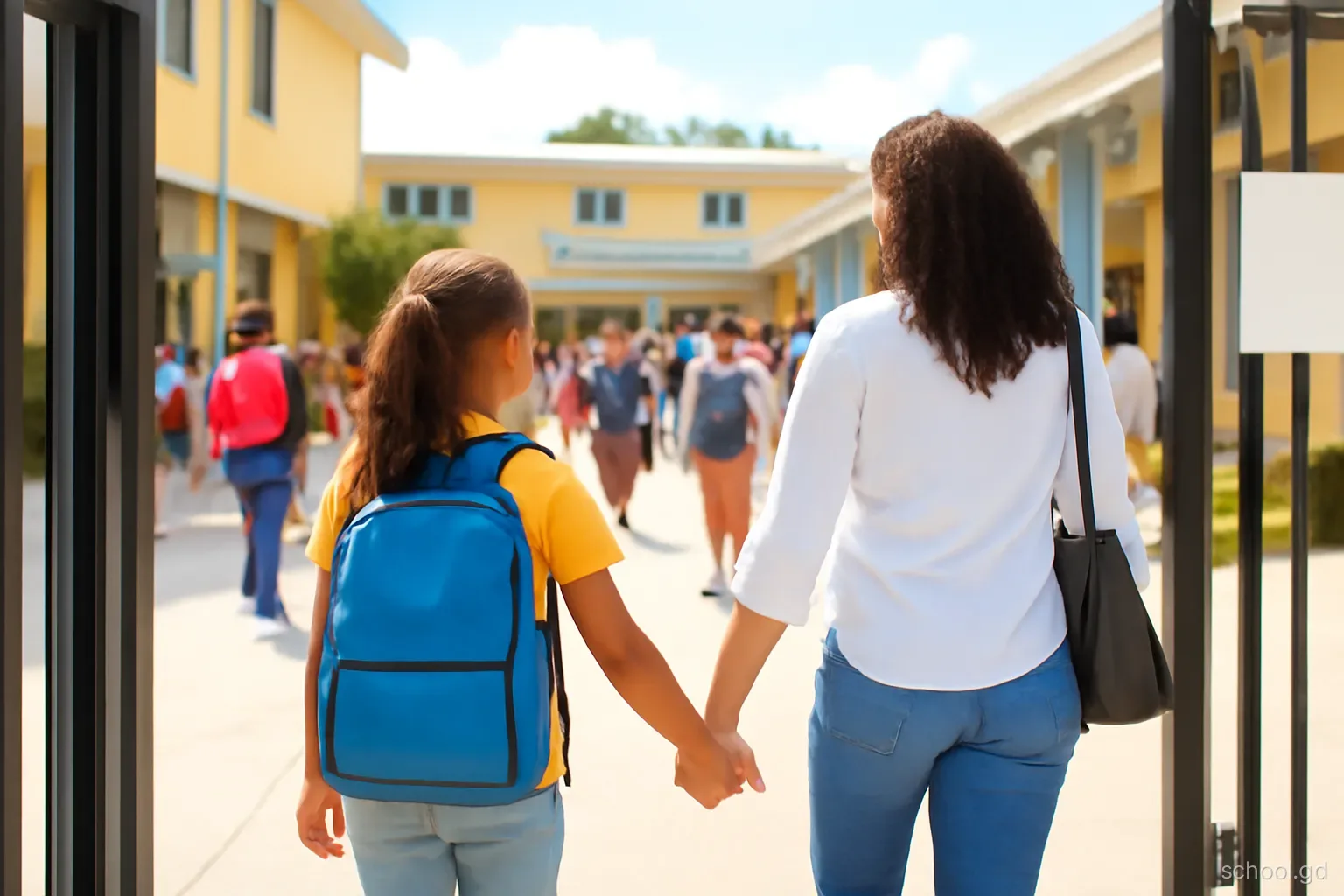
Many Grenadian families move between private and public schooling at least once. A child may attend a small private primary school and then go on to a public secondary school, or start in the public system and move to a private school for a particular reason, such as smaller classes or a different curriculum. Expatriate families sometimes begin in a private school on arrival and later switch to a public school as the child settles and the family decides to stay.
Each direction has its own procedures and pitfalls. Public school placement is managed by the Ministry of Education and tied to the national calendar, while private schools set their own admission rules. Moving between curricula, especially from Cambridge or an overseas system to CXC, adds academic questions. This guide explains how switches usually work, which moments are easiest and how to avoid the gaps that make a move harder than it needs to be. Procedures change, so confirm the current rules with the Ministry and the schools involved.
From a private primary to a public secondary school
This is the most common switch. Entry to public secondary schools at Form 1 is based on the Caribbean Primary Exit Assessment, combined with families' listed preferences, school capacity and practical factors. Children at private primary schools have generally been able to take part in the CPEA so that they can be placed in public secondary schools, but the arrangements for registering private-school candidates should be checked early in Grade 5 or Grade 6 with the school and the Ministry of Education.
Part of the CPEA has traditionally been based on assessment during the last two years of primary school as well as an external component. Families at private schools that follow a different curriculum should ask how that school-based element is handled for their child, and whether the child needs any preparation in the format and content of the assessment.
Children moving from a small private primary into a large public secondary school often face a social adjustment as much as an academic one. A class of fifteen becomes a form of thirty or more, and a school of a hundred becomes one of several hundred. Orientation days, summer contact with future classmates and joining a club in the first weeks all help.
From a public school to a private school
Moving into a private school is usually simpler administratively, because private schools manage their own admissions. Most will ask for recent reports, a birth certificate and immunisation records, and many will assess the child before offering a place, especially if the school follows a different curriculum. Places in particular year groups may be limited, so contact schools well before the term you want your child to start.
Families make this move for many reasons: a child who needs smaller classes, a particular learning need, a planned move abroad that makes an international curriculum attractive, or simply a preference for a school's ethos. Whatever the reason, discuss it openly with your child and with the current school, which can often provide useful information on the child's progress and needs.
Keep in mind that leaving a public secondary school may mean giving up a place that is hard to regain. If there is a chance you will want to return to the public system later, ask the Ministry how re-entry would work before you withdraw your child.
Timing: the easiest and hardest moments to switch
Start of Form 1. The easiest point to join the public secondary system, because every child is new and placement follows a clear process.
Start of Form 4. A natural break before CSEC courses begin, though subject options and space in particular option blocks can limit choices.
Mid-way through CSEC or IGCSE. The hardest time. Syllabuses differ, coursework has been started and examination registrations may already be made. Avoid switching in Form 5 unless there is no alternative.
Mid-year in the lower school. Possible in both directions if places exist, though the child may miss parts of the curriculum and arrive after friendships have formed.
Start of the school year in September. Generally better than mid-year for any move. Families relocating to Grenada in January or after Easter may find it easier to settle a child temporarily and plan a cleaner switch for September.
Closing curriculum gaps
Moving from Cambridge, American or other overseas programmes into the CXC system usually raises a few predictable gaps. Caribbean history and social studies, which have strong regional content, are often new to children from outside the region. Spanish is taught widely in Grenadian secondary schools, while students from some countries may have studied French or no language at all. Mathematics and science sequences differ slightly between systems, so a child may meet some topics twice and miss others.
Moving the other way, from CXC to an international curriculum, can involve different essay styles, more emphasis on certain topics and different examination formats. Children who have done well in one system usually adapt within a term or two with good teaching.
The most effective way to close gaps is specific rather than general. Ask the receiving school which topics your child is likely to have missed, then work on those, perhaps with short-term tutoring. Paying for broad tuition in every subject is rarely necessary and can exhaust a child who is already adjusting to a new school.
Keep an eye on confidence as well as content. A child moving from a small private class into a large public form, or from a familiar system into a new one, may go quiet for a while. A short check-in with the form teacher after three or four weeks shows whether the gaps are closing and whether the child is beginning to settle socially.
A checklist for any switch
Whichever direction you are moving in, these steps reduce stress and delay:
- Decide the target start date and work back, allowing time for applications, assessments and placement decisions.
- Gather documents: birth certificate, recent reports, immunisation records, any specialist reports and, for secondary students, a summary of subjects studied.
- For public schools, contact the Ministry of Education about placement and the documents it needs; for private schools, contact each school directly.
- Ask the receiving school how your child will be placed in a year group and why.
- Tell the current school in good time and settle fees and notice terms if leaving a private school.
- Arrange uniforms, books and transport for the new school before the first day.
- Plan a short catch-up on key gaps, and check in with the new form teacher after the first few weeks.
Common mistakes when switching
Missing CPEA registration. Families at private primaries who intend to move to public secondary should confirm registration arrangements early, not in the final term.
Underestimating notice periods. Leaving a private school without the required notice can mean paying an extra term's fees.
Moving in the middle of examination courses. Switching during Form 5 or the IGCSE years risks wasted coursework and late registrations.
Ignoring the social side. A child who leaves close friends needs support. Keeping old friendships alive through weekend activities helps.
Assuming records transfer automatically. Request copies of reports and records yourself and keep them; do not rely on schools to pass them on.
Deciding without the child. Older children cope far better with a move they understand and have had a say in. Explain the reasons, visit the new school together and listen to their concerns before the decision is final.
Frequently asked questions
Can children at private primary schools in Grenada sit the CPEA?
Children at private primary schools have generally been able to take part in the Caribbean Primary Exit Assessment so they can be placed in public secondary schools. Arrangements can change, so confirm registration with your child's school and the Ministry of Education early in Grade 5 or Grade 6.
How do newcomers get a place in a public secondary school?
Families arriving from abroad contact the Ministry of Education, which guides placement into public schools based on age, previous schooling and available places. Bring reports, a birth certificate and immunisation records. Places at popular schools are limited, especially mid-year.
Is it better to switch schools at the start of Form 1 or Form 4?
Both are natural break points. Form 1 is easiest because all students are new. Form 4 is the start of CSEC courses, so moving then avoids interrupting coursework, though subject choices may be limited by available places in each option block.
Will my child fall behind moving from Cambridge to CSEC?
Usually only in specific areas, such as Caribbean history, social studies or a modern language. Mathematics and sciences overlap considerably. Ask the receiving school which topics to cover and focus catch-up work there rather than on every subject.
Can a child return to a public school after attending a private one?
Generally yes, subject to placement procedures and available places, but a place at a particular school may not be held open. Ask the Ministry of Education how re-entry works before withdrawing a child from a public school.