Montessori education has been part of Grenada's private school landscape for many years, attracting both Grenadian families and expatriates who want a different approach from the traditional classroom. Montessori schools on the island have offered early childhood programmes and, in some cases, primary-age classes, and families sometimes ask whether the approach can carry a child through to secondary school.
Montessori is a specific method with a long history and recognised training, but the name itself is not protected, so schools that use it can differ considerably. This guide explains what the method involves, how it fits with Grenada's national system, what to check when a school describes itself as Montessori and how families usually plan the move on to secondary education. It also touches on other child-led approaches that some families combine with schooling. Schools change over time, so verify current programmes and age ranges directly.
How the Montessori method works
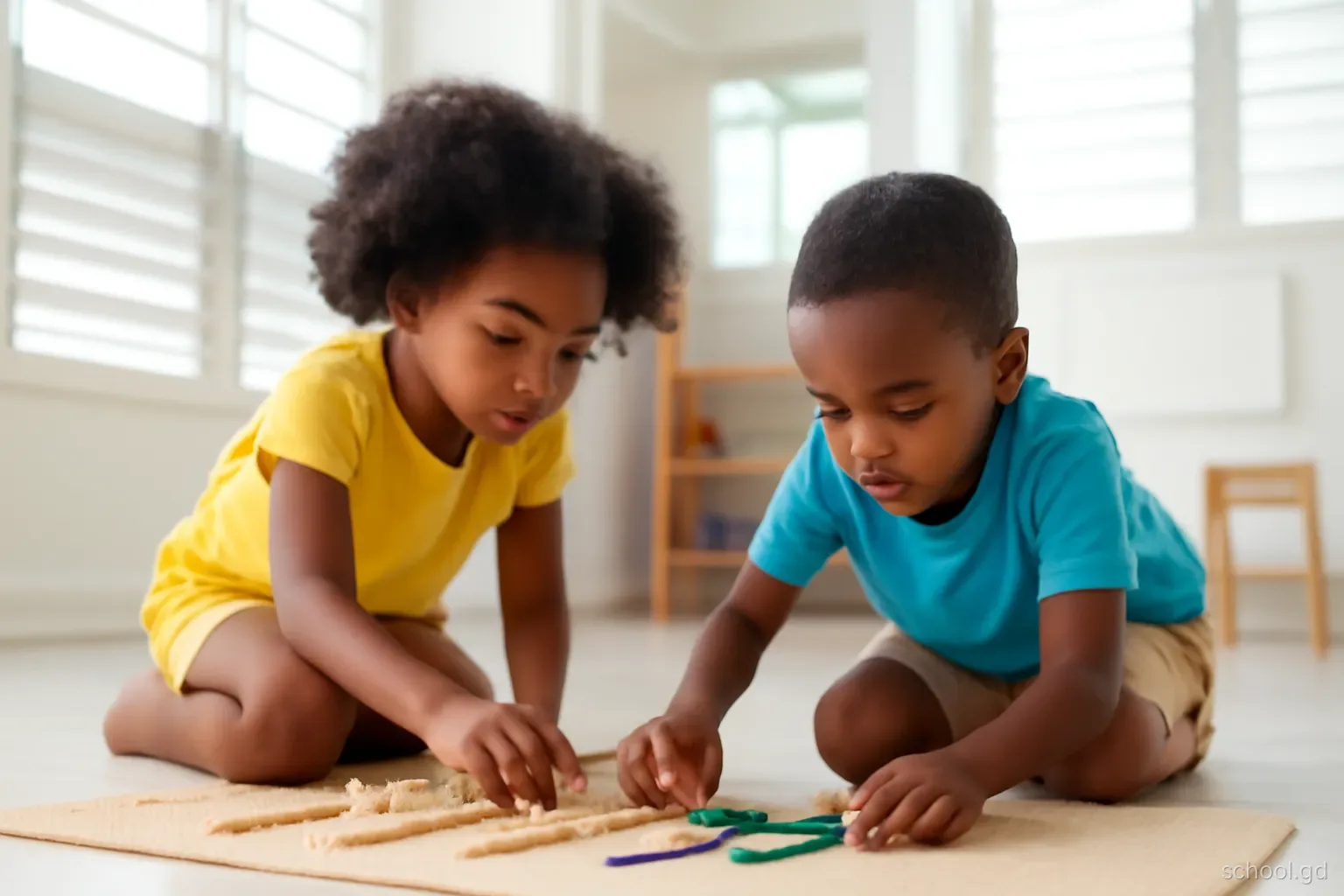
The method was developed by the Italian physician and educator Maria Montessori in the early twentieth century. Its core idea is that children learn best when they can choose purposeful activities from a carefully prepared environment, working at their own pace under the guidance of a trained teacher. Classrooms are arranged with specially designed materials, many of them wooden and hands-on, that lead children from concrete experience towards abstract understanding in areas such as mathematics, language and the natural world.
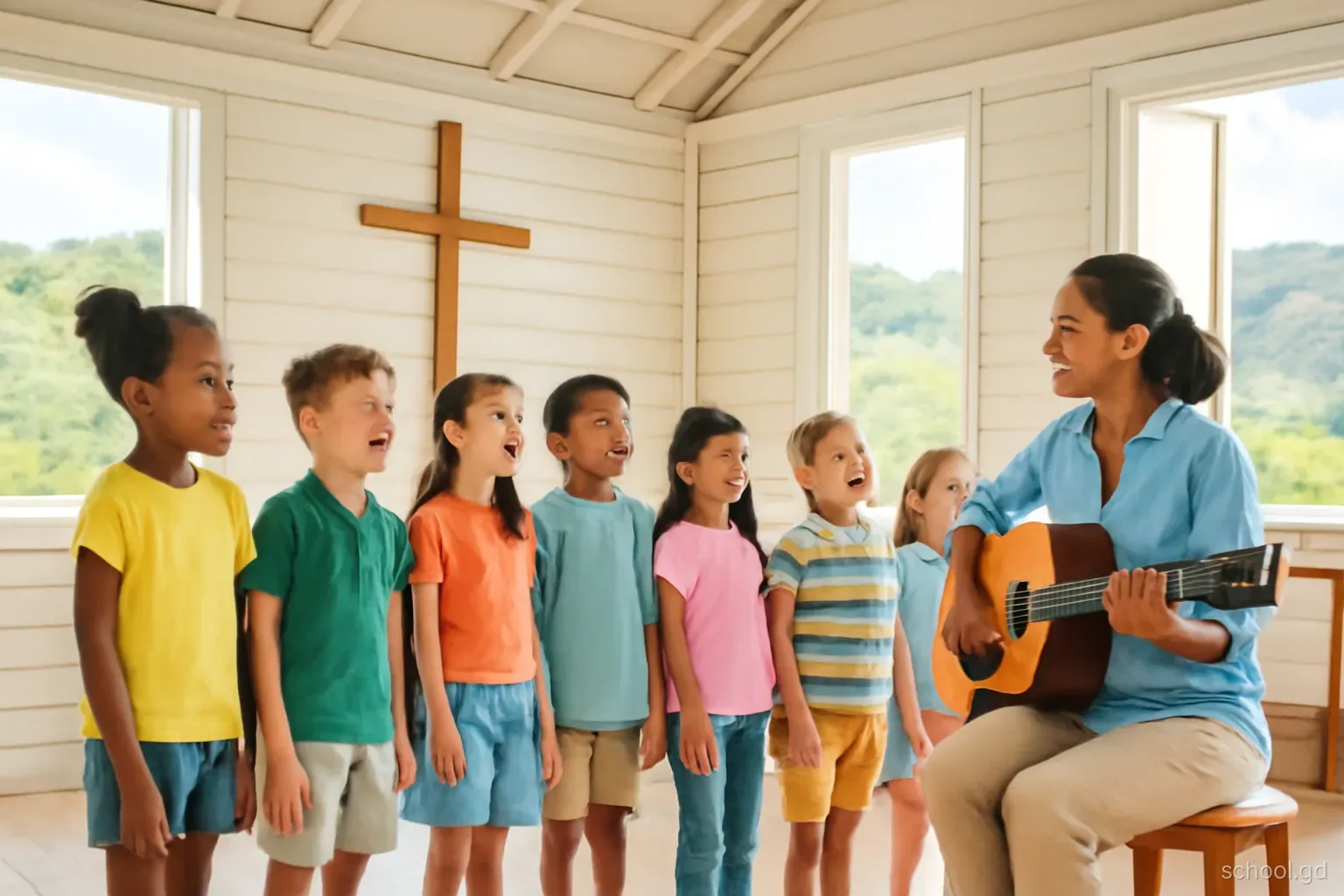
Classes traditionally mix ages in three-year bands, for example three to six and six to nine, so younger children learn from older ones and older children consolidate their learning by helping. Children often work individually or in small groups rather than as a whole class, and long uninterrupted work periods are a feature of the day.
Assessment is mainly through the teacher's observation and records rather than frequent tests. Practical life skills, independence and care for the environment are part of the curriculum, especially in the early years.
What the experience is like for a child
Freedom within limits. Children choose their work, but within clear routines and expectations. Many settle quickly; some who are used to direct instruction take time to adjust.
Concrete before abstract. Mathematics begins with beads, rods and counters before moving to written calculation, which helps many children build a deep understanding of number.
Mixed ages. A six-year-old may work alongside eight-year-olds. Socially this tends to work well, though families with a child who needs a large same-age peer group should think about it.
Less emphasis on marks. Children are rarely graded in the early years. Parents receive observations and portfolio-style reports rather than percentages.
Outdoor learning. Grenada's climate allows plenty of outdoor work, from gardening to nature study, which many Montessori schools build into the week.
Independence. Children are expected to care for materials, tidy up and manage their own work, habits that serve them well later.
Checking that a school follows the method properly
Because the word Montessori is not a trademark, any school can use it. Some schools follow the method closely with trained teachers and full sets of materials; others borrow elements and combine them with a conventional curriculum. Both can be good schools, but you should know which you are choosing.
Ask where the lead teachers trained. Recognised Montessori training is offered by organisations such as the Association Montessori Internationale and the American Montessori Society, among others, and covers specific age ranges. A teacher trained for ages three to six is not automatically trained for the elementary years.
Look at the classrooms. A Montessori environment has low open shelves, a full range of materials arranged in sequence, children working independently or in small groups and a teacher moving between them rather than lecturing at the front. Ask how long the uninterrupted work period is each day and how the school records progress.
Moving on: from Montessori to CPEA, Cambridge or abroad
The key planning question for families in Grenada is what happens after the Montessori years. If your child will enter the public secondary system, the route runs through the Caribbean Primary Exit Assessment in the final years of primary school. Ask the school how it prepares children for that transition, whether it registers candidates and how it handles the school-based component of the assessment. Montessori children may need some practice with timed tests and conventional formats.
If a school offers a secondary section following Cambridge or another international curriculum, ask how the transition from Montessori elementary to a more structured secondary programme is managed and what pupils usually do at sixteen.
Families who will move abroad should ask how Montessori records translate in their home system. Most mainstream schools accept Montessori pupils readily, particularly at natural transition points, and many children move between systems without difficulty. A portfolio of work and a clear summary of skills and levels help the receiving school place a child appropriately.
Other child-led approaches families use
Montessori is not the only alternative approach. Families in Grenada, especially expatriates, sometimes combine schooling with other philosophies or use them at home:
- Play-based early years programmes, which share Montessori's respect for children's choices but use less specialised materials.
- Reggio Emilia-inspired practice, emphasising projects, the arts and documentation of children's thinking, sometimes borrowed by early childhood centres.
- Forest and nature-based learning, which suits Grenada's climate and landscape, often through weekend or holiday programmes rather than full-time schools.
- Homeschooling with structured curricula, sometimes combined with part-time attendance at activities, clubs or tutorials.
- Unschooling or highly flexible home education, chosen by a small number of families; parents should understand Grenada's compulsory schooling rules and discuss any arrangement with the Ministry of Education.
- Whatever approach you choose, check how it fits with compulsory schooling requirements and how your child will move into the next stage of education.
Questions for the first meeting with a Montessori school
A useful first meeting covers more than the philosophy. Ask how many children are in each class and what age range each class spans, and how many adults are present at different times of day. Ask which age ranges the lead teachers are trained for and whether any classes are taught by staff still in training.
Ask how the school reports progress to parents: how often, in what form and whether parents can observe a class. Many Montessori schools welcome observation by appointment, and twenty minutes of quiet watching tells you more than an hour of conversation.
Finally, ask practical questions that apply to any private school in Grenada: registration with the Ministry of Education, full fees and extra charges, the hurricane and emergency plan, arrangements for children with additional needs and what happens at the end of the school's oldest class. A school that answers clearly and invites you back to visit again is usually confident in what it offers.
Pitfalls to avoid
Choosing the label over the school. Visit and observe. A conventional school with excellent teachers may suit your child better than a weak school with a Montessori name.
Ignoring the next stage. Plan how your child will move on, and when, before enrolling. Late planning can make the move to CPEA or a secondary programme stressful.
Expecting quick academic results. Montessori children may read or calculate on a different timetable from peers in conventional schools. Judge progress over several years, not terms.
Assuming all staff are trained. Ask about assistants as well as lead teachers, and how the school supports staff training.
Overlooking the peer group. Small mixed-age classes can be wonderful, but check that your child will have friends of a similar age.
Frequently asked questions
Are there Montessori schools in Grenada?
Yes, Montessori schools have operated in Grenada for many years, mainly in and around St George's, offering early childhood and in some cases primary-age programmes. Programmes and age ranges change, so contact schools directly to confirm what they currently offer and how far their Montessori classes run.
Can Montessori pupils move into Grenada's public secondary schools?
They can, usually through the Caribbean Primary Exit Assessment at the end of primary school. Ask the Montessori school early how it registers candidates and prepares children for the assessment, including practice with timed and conventional test formats.
What training should Montessori teachers have?
Look for training from recognised Montessori bodies, such as the Association Montessori Internationale or the American Montessori Society, at the age level the teacher works with. Training for ages three to six differs from elementary training for six to twelve.
Is Montessori suitable for every child?
Many children thrive with the independence and hands-on materials, while some prefer more structure and direct instruction. Visiting a classroom with your child and watching how they respond is a better guide than general claims about the method.
Do Montessori schools give grades?
In the early and elementary years, Montessori schools usually report through observations, records and portfolios rather than marks or rankings. Ask how the school reports progress and how it summarises a child's levels when they move to another school.