
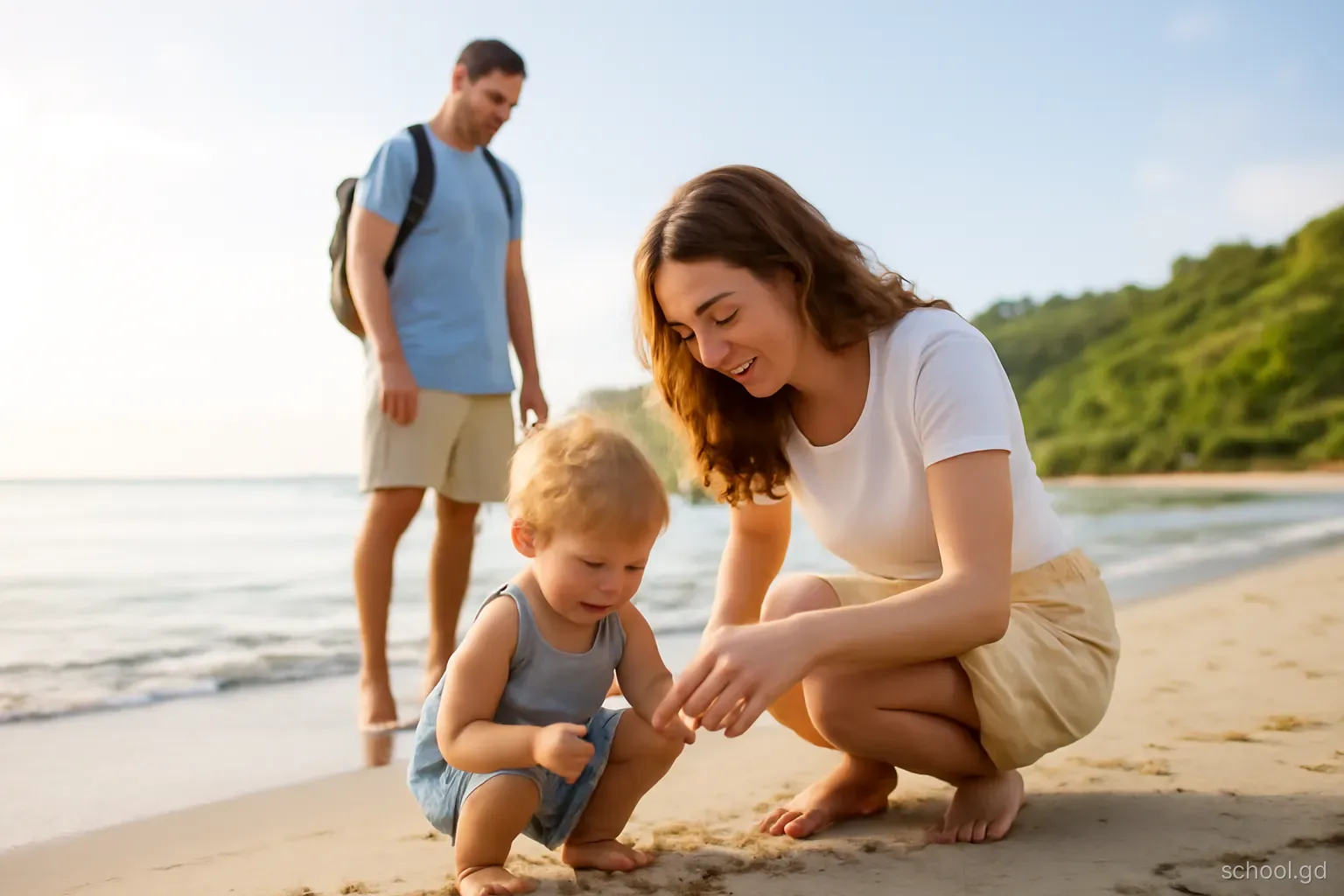
Every intake at SGU brings not only students but partners, spouses and children who move to Grenada with them. For the student, the next two or three years are mapped out by a curriculum. For the partner, the island arrives as a blank page: no job lined up, no classmates, a new climate and a social world that has to be built from scratch.
Families who prepare for that difference usually have a good experience, and many look back on the Grenada years as some of their best. Those who arrive expecting life to carry on as before tend to struggle. This article covers the questions partners and families most often wish they had asked earlier: work, schooling, healthcare, community and the emotional side of the move.
Work: the question to settle first
A partner's ability to earn money in Grenada depends on immigration status and the type of work. In general, foreign nationals need a work permit to take up employment with a Grenadian employer, and permits are applied for through official channels with the employer usually involved. Permits are not automatic, and employers may need to show why a local candidate could not fill the role. Partners should not assume they can find a job on arrival.
Remote work for an employer or clients abroad is how many partners keep their careers going. The legal position of remote work by foreign residents should be checked with the Immigration Department or a local attorney, because rules and enforcement can change and depend on circumstances. Practically, it requires a reliable internet connection, a backup plan for power cuts and attention to time zones; Grenada is on Atlantic Standard Time, which does not change for daylight saving.
Some partners volunteer with local organisations, study online, or use the time for a planned career break. Each of these can work well, but they are easier to sustain when chosen deliberately rather than by default.
Schooling and childcare for children
School options. Families of SGU students typically consider private and international schools in the south of the island, as well as Grenadian government and denominational schools. Curricula, fees and approaches vary considerably. School.gd covers these choices in its private and international schools and expat families sections.
Applying early. Popular private schools can have waiting lists, especially in the intakes that line up with SGU's August start. Contact schools well before arrival, ask about entry assessments and required documents, and check vaccination records.
Childcare and preschool. Grenada has preschools and daycare centres, some run privately and some attached to churches or communities. Availability, hours and approaches differ, so visit if possible before committing.
Continuity on return. Families moving home after the basic sciences, or onward to clinical rotation cities, should think about how a child's schooling will transfer. Keep report cards and curriculum details.
Healthcare for families
Grenada has a public health system with the General Hospital in St George's as the main referral hospital, district health centres across the parishes, and private doctors and clinics, many concentrated in the Grand Anse and St George's areas. Routine care, minor illness and many specialist consultations are available on the island. More complex treatment can involve referral abroad, often to Trinidad, Barbados or the United States.
Families should hold comprehensive health insurance that covers each member, including evacuation if needed, and should understand how claims work for care received in Grenada. Students' university insurance may not extend to partners and children, so check this specifically. Bring a supply of regular medicines and copies of prescriptions; not every brand is available locally.
For pregnancy and young children, ask about prenatal care, delivery options and paediatric services well before relying on them. Many families arrange these through private practitioners. Vaccination schedules in Grenada may differ slightly from those at home, and schools will ask for records.
Dental care, optometry and physiotherapy are available privately on the island, and many families find routine appointments easier to get than at home. Specialist services for children with additional needs are more limited, so families with a child who needs ongoing therapy or educational support should research provision carefully before committing to the move, and talk to schools about what they can realistically offer. Mental health support for partners and students exists through the university and private practitioners, and it is worth knowing how to reach it before it is needed.
Building a social life
The SGU community includes organisations for partners and families, which run social events, information sessions, playgroups and support networks. Joining in the first weeks is the quickest way to meet people in the same situation, swap advice and find friends who understand why the student partner is never available during exam weeks.
Beyond the SGU bubble, partners who make the most of Grenada often connect with the island directly: volunteering with community groups or animal welfare organisations, joining a church, a choir, a sports club or a hiking group, taking part in beach clean-ups or learning to sail. Grenadians are generally welcoming, and taking part in community life, from Fish Friday in Gouyave to Carnival in August, gives a sense of belonging that a purely expatriate life rarely does.
The rhythm of the student's programme matters too. During heavy exam blocks, the student may be largely absent. Planning trips, visitors or your own projects around those weeks reduces friction at home. Many couples find it helps to mark the exam calendar together at the start of each term and agree in advance which weekends are protected for study and which are kept free for the family, a sailing day or a trip to Carriacou.
What nobody tells families before they arrive
Isolation is common in the first months. With the student absorbed in study and no job or school routine, partners can feel lonely. This usually eases as networks form, but expecting it helps.
Things take longer. Opening accounts, getting repairs done or importing goods can take more time than at home. Patience and a polite, friendly approach get much better results than frustration.
Imported goods cost more. Familiar brands, baby products and specialist foods are expensive or unavailable. Bring essentials, and learn which local alternatives work.
Power and water interruptions happen. Occasional outages and water cuts are part of life. A torch, a power bank and a water reserve are basic household equipment.
The programme ends with another move. After the basic sciences, medical students leave for clinical rotations abroad, and vet students for their clinical year. Families should plan for that next move from the start, including schooling, work and housing.
Planning sequence for a family move
Families who plan in stages tend to arrive with fewer surprises. A sequence that works for most:
- Confirm the immigration requirements for each family member with SGU and the Immigration Department, including what permission partners and children need to live in Grenada.
- Decide how the partner will spend the time: remote work, a career break, study or volunteering. If paid local work is the plan, research the work permit process first.
- Contact schools or childcare providers months in advance and secure places before signing a lease, so housing can be chosen with the school run in mind.
- Choose housing suited to family life, often in quieter areas such as Lance aux Epines, with outdoor space and a reasonable commute for both student and children.
- Arrange health insurance covering every family member, and gather medical records and prescriptions.
- Join SGU's partner and family networks before arrival to ask questions and make first contacts.
- Plan a budget that includes school fees, transport, higher grocery costs and trips home.
Frequently asked questions
Can the partner of an SGU student work in Grenada?
Generally, foreign nationals need a work permit to take up employment with a Grenadian employer, and permits are not automatic. Remote work for overseas employers is common, but its legal position should be confirmed with the Immigration Department or a local attorney before relying on it.
Where do SGU families with children usually live?
Many families choose quieter residential areas such as Lance aux Epines or parts of True Blue and Calliste, prioritising space, safety and the school commute. The right choice depends on where children attend school and how the student travels to campus.
Are there schools for children of SGU students?
Families use a mix of private and international schools in the south of the island, as well as Grenadian government and denominational schools. Curricula and fees vary. Contact schools well before arrival, as some have waiting lists around the August intake.
Does SGU have support for partners and families?
SGU has partner and family organisations that run social events, information sessions and support networks. Joining early is the quickest way to meet others in the same situation, get practical advice and settle into island life.
Is healthcare in Grenada adequate for families?
Routine and many specialist services are available through public facilities and private doctors, mostly in the St George's and Grand Anse areas. Complex treatment may require referral abroad. Families should hold comprehensive insurance, including evacuation cover, for every member.