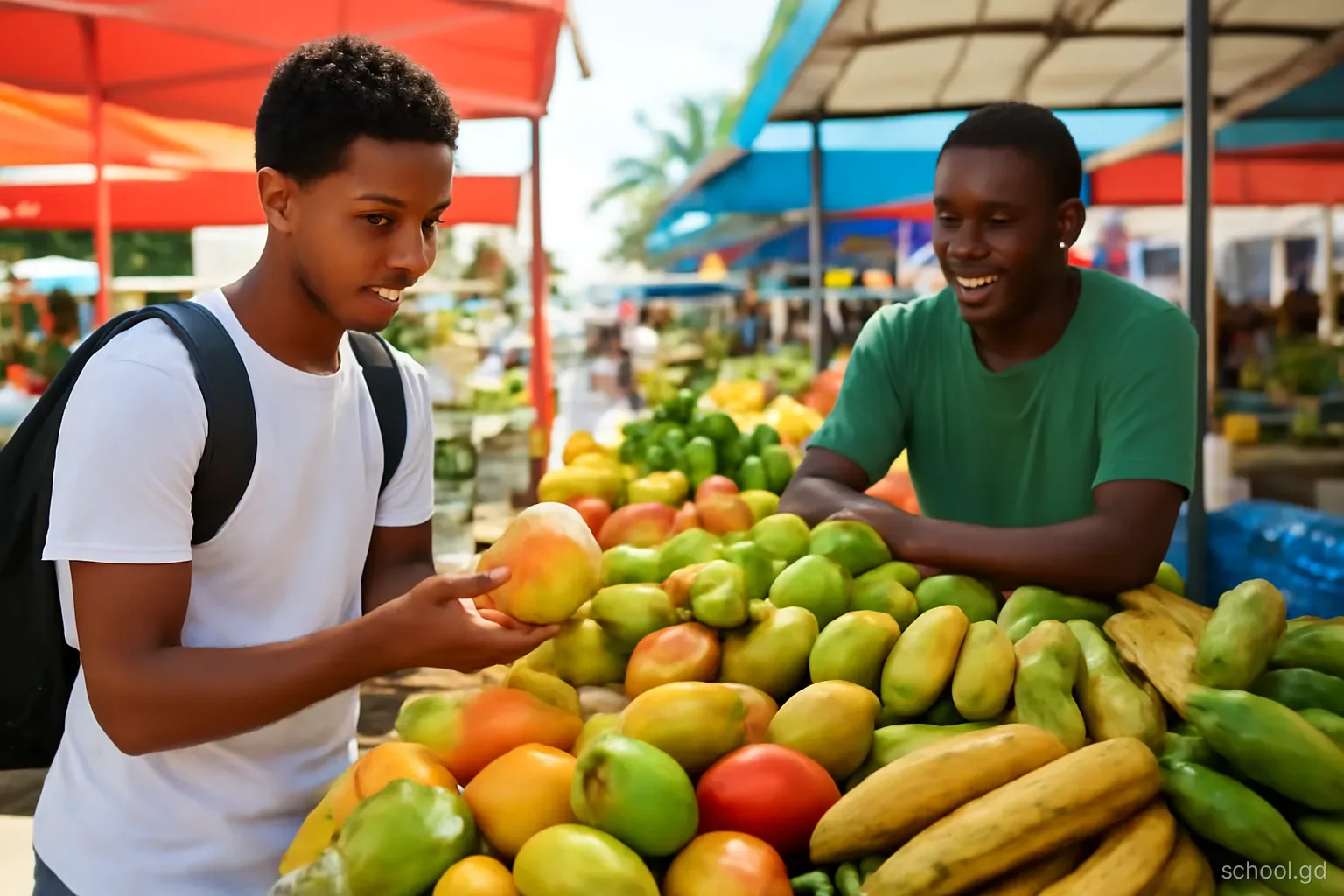

The first month on the island sets the tone for the rest of the programme. New SGU students arrive with suitcases, a lease signed from abroad and a timetable that starts almost immediately, and they have to learn a new country while the first exams are already on the horizon. The students who settle fastest are usually the ones who deal with the practical setup in the first two weeks and then stop thinking about it.
This checklist covers what to sort out, roughly in order, from landing at Maurice Bishop International Airport to the end of the first month. University orientation covers much of it, and the student services teams are the authority on immigration and enrolment. The notes below add the local detail that orientation slides tend to skip.
Days 1 to 3: landing and settling in
The first few days are about getting into your accommodation, finding food and water, and attending orientation without exhausting yourself.
- Arrive with documents in your hand luggage: passport, the university acceptance and enrolment letters, accommodation details and any immigration documents the university has told you to carry. Immigration officers at the airport may ask about the purpose of your stay.
- Arrange airport transport in advance. The university and many landlords can recommend taxi drivers. Agree the fare before setting off; taxi fares are regulated but confirm the amount.
- Do a first grocery run for water, breakfast food and basics. Supermarkets in Grand Anse, including those at the Spiceland Mall, are the main options in the student belt.
- Check the apartment against the lease: air conditioning, water pressure, hot water, internet, locks and burglar bars. Photograph any existing damage and send it to the landlord in writing for your deposit records.
- Find the nearest university bus stop and walk the route once in daylight.
- Attend every orientation session. Information on immigration, health insurance, security and academic procedures is easier to absorb there than to chase later.
Week 1: immigration, phone and money
Student immigration status. International students need appropriate immigration permission to study in Grenada. SGU's student services guide students through the process and the documents required, and the requirements are set by the Immigration Department. Follow the university's instructions and deadlines exactly; this is not a step to postpone.
A local phone number. Grenada's two mobile operators are Digicel and Flow. A local SIM with a data plan is inexpensive compared with roaming and makes everything from taxi bookings to bank verification easier. Bring a phone that is not locked to a home carrier. WhatsApp is the default way people communicate on the island.
Money. The currency is the Eastern Caribbean dollar, pegged at EC$2.70 to US$1. US dollars are widely accepted in the tourist and student belt, but change is often given in EC dollars. Cards work in supermarkets and larger businesses; cash is still needed for route buses, markets and small shops.
A bank account. Many students manage with home bank cards, but a local account can help with rent and utilities. Banks typically ask for a passport, proof of address, a letter from the university and sometimes a reference letter from your home bank. Requirements vary, so ask before going in.
Week 2: getting around
Most new students rely on the university bus service for the commute. Learn the timetable for your stop, especially the last evening runs, and be aware that it is designed around campus hours rather than social life.
Grenada's privately run route buses, the minibuses with route numbers displayed, cover the island and are cheap. Flag one down from the roadside, pay the conductor or driver, and say "bus stop" or name your stop clearly when you want to get off. They are a good way to reach St George's, the market and beaches, and an introduction to local life, music included.
If you plan to drive, you need a local driving permit, issued for a fee through the police traffic department and often arranged by car rental companies when you hire a car. Driving is on the left. Roads are narrow, winding and steep, and drivers use the horn as a greeting and warning more than in North America. Many students wait a few weeks, learning the roads as passengers, before driving themselves.
Weekend exploring is part of settling in. A route bus to St George's for the market and the Carenage, a taxi share to Grand Etang for a rainforest walk, or a trip up the west coast to Gouyave shows how the island fits together. Knowing the geography also helps in practical ways, from finding a pharmacy open on a Sunday to understanding directions given by landmarks rather than street names.
Weeks 2 to 3: food, health and routines
Groceries and markets. Imported goods in supermarkets are expensive, so learn to cook with local produce. The St George's Market Square sells fruit, vegetables, spices and fish, especially busy on Saturdays. Seasonal fruit such as mangoes, golden apples and soursop changes through the year.
Water. Mains water from NAWASA is treated, and many residents drink it, but some prefer filtered or bottled water, especially after heavy rain. Ask your landlord about the supply and any tank system.
Health insurance and care. Students are required to have health insurance, and SGU provides information on the required coverage. Know where the university health services are, and that the main public hospital is the General Hospital in St George's. Private clinics operate in the Grand Anse area. In an emergency, call 911.
Sun, insects and heat. The sun is strong all year. Use sunscreen, wear a hat, and drink more water than you think you need. Mosquitoes can carry dengue and other illnesses, so use repellent and remove standing water around your home.
Exercise and rest. Build a routine early: a morning swim at Grand Anse, a gym, running on quieter roads or a weekend hike. Students who exercise regularly cope better with exam blocks.
Week 4: hurricane and emergency preparedness
The Atlantic hurricane season runs from 1 June to 30 November. Grenada lies near the southern edge of the main hurricane belt but has been hit hard before, by Ivan in 2004 and Emily in 2005, and Hurricane Beryl devastated Carriacou and Petite Martinique in July 2024. Prepare during your first month, whatever the season:
- Read the university's emergency and hurricane procedures and register for its alerts.
- Ask the landlord about shutters, the building's storm history and what happens during a warning.
- Keep a basic kit: drinking water for several days, non-perishable food, torch, batteries, power bank, first-aid supplies and essential medicines.
- Keep copies of your passport and key documents in a waterproof bag and stored digitally.
- Know where to follow official updates, including the National Disaster Management Agency (NaDMA) and local radio.
- Register with your country's embassy or consular service where that option exists.
Mistakes new students make
The most common mistake is trying to live as if still in North America: buying only imported brands, running air conditioning day and night, and taking taxis everywhere. The result is a budget blown in the first month. Adjusting to local food, sensible air-conditioning use and the bus saves a great deal.
Another mistake is cutting off from the island entirely. Students who only move between apartment, campus and supermarket miss the things that make Grenada a good place to study: the beaches, hikes, festivals and the warmth of local people. A few hours a week outside the study bubble is not a distraction; it is part of staying well.
Finally, many students underestimate small courtesies. Grenadians greet each other. Walking into a shop or onto a bus without saying "good morning" or "good afternoon" comes across as rude. A greeting costs nothing and changes how people respond to you.
Frequently asked questions
Do SGU students need a visa or permit for Grenada?
International students need appropriate immigration permission to study in Grenada. Requirements are set by the Immigration Department, and SGU's student services guide students through the process. Follow the university's instructions and deadlines, and check entry rules for your nationality before travelling.
Which mobile network should SGU students use?
Grenada has two mobile operators, Digicel and Flow. Both offer prepaid SIMs and data plans. Coverage in the student belt around True Blue and Grand Anse is generally good with either. Bring a phone that is not carrier-locked, and compare current plans on arrival.
Can students use US dollars in Grenada?
US dollars are widely accepted in the student and tourist areas, but change is often given in Eastern Caribbean dollars. The EC dollar is pegged at EC$2.70 to US$1. Cash in EC dollars is useful for route buses, markets and small shops.
Can a foreign driving licence be used in Grenada?
Visitors and new residents need a local driving permit, issued for a fee through the police traffic department and often arranged through car rental companies. Driving is on the left. Check current requirements when you arrive, as rules and fees can change.
What should SGU students do to prepare for hurricanes?
Read the university's emergency procedures, register for alerts, keep a basic kit with water, food, torch and medicines, store documents in a waterproof bag, and know how your building is protected. The hurricane season runs from 1 June to 30 November.