In Grenada, children usually start Kindergarten, the first year of primary school, at around five, the age at which schooling becomes compulsory under the Education Act. For many families the move from preschool to a primary school, with a uniform, a bigger building, older children and a longer, more structured day, is the first real transition in a child's life. Some children take it in their stride; others struggle for weeks.
Readiness is not about reading early or reciting tables. Primary teachers in Grenada say the children who settle best are those who can look after themselves, follow simple instructions, get along with other children and talk about what they need. This checklist sets out those skills, the paperwork families need in order, and the steps that make the first weeks smoother. Exact age cut-offs and enrolment procedures are set by the Ministry of Education and individual schools, so confirm them for your year of entry.
Self-care: the skills teachers notice first
A Kindergarten teacher may have a large class and one assistant, or none. Children who can manage these tasks themselves free the teacher to teach, and they feel more confident in the first unfamiliar weeks. Practise each one at home over several months, not in the final week before term, and let the child do it slowly rather than stepping in to save time:
- Using the toilet independently, including wiping, flushing and washing hands, and asking to go in time.
- Opening a lunch box, unwrapping food, opening a drink bottle and clearing up afterwards.
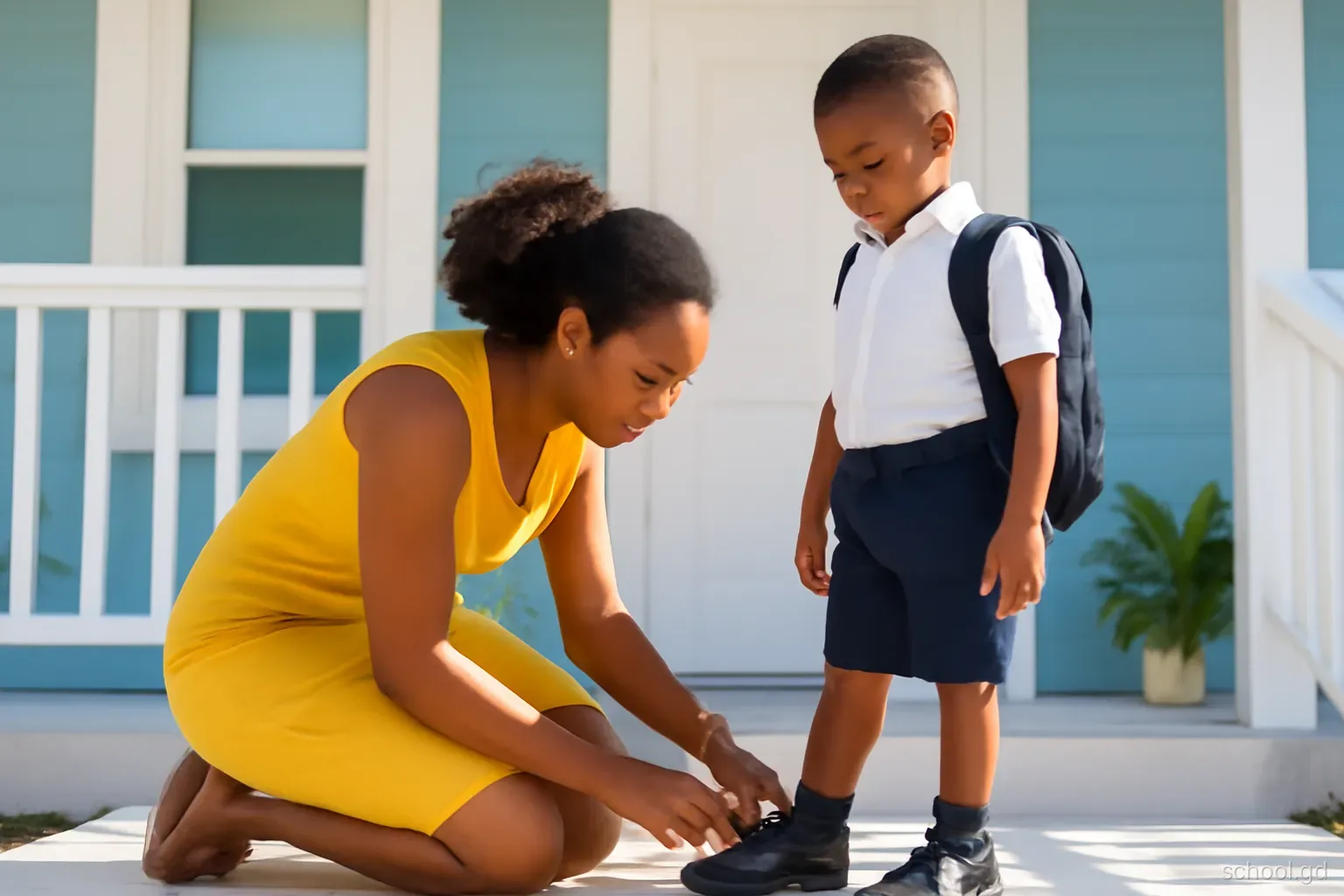
- Putting on and taking off shoes, and managing buttons or fasteners on the school uniform.
- Recognising their own bag, bottle and belongings, which helps when every child has a similar uniform and bag.
- Blowing their nose, covering a cough and washing hands after play.
- Carrying a bag and following a short walk with the class without wandering off.
Language and listening
Talk is the foundation of everything that follows in primary school. A child who is ready can usually say their full name, recognise it in writing or be close to doing so, tell an adult when they are hurt, hungry or need the toilet, and follow a two- or three-step instruction such as "hang up your bag, take out your book and sit on the mat". They can listen to a short story and answer simple questions about it, and they can describe something that happened to them in a few sentences.
Children in Grenada typically arrive speaking Grenadian Creole English, and Kindergarten teachers expect that. What helps is not perfect Standard English but plenty of talk, at home and at preschool, about everyday things: what is being cooked, what was seen on the way to church, why the sea is rough today. Reading aloud every day, even for ten minutes, builds vocabulary and an appetite for books. Ask questions that need more than a yes or no, and give the child time to answer.
Early literacy and numeracy: enough, not too much
Parents often feel pressure to teach a child to read and write before Kindergarten, sometimes because a relative's child could. Teachers generally prefer children who arrive curious and confident over children who have been drilled and are already bored with letters. Reasonable targets before school include recognising some letters, especially those in their own name; knowing that print carries meaning and is read from left to right; enjoying rhymes and noticing words that sound alike; and holding a crayon or pencil with a controlled grip.
For numbers, aim for counting objects up to about ten with one number per object, recognising a few numerals, comparing which group has more, and noticing shapes and patterns in daily life. Counting mangoes into a bowl, setting the table for a family meal or spotting how many boats are pulled up on the beach at Grenville or Gouyave does more than worksheets. Do not worry if a child is not yet writing words; that is precisely what Kindergarten is for.
Social and emotional readiness
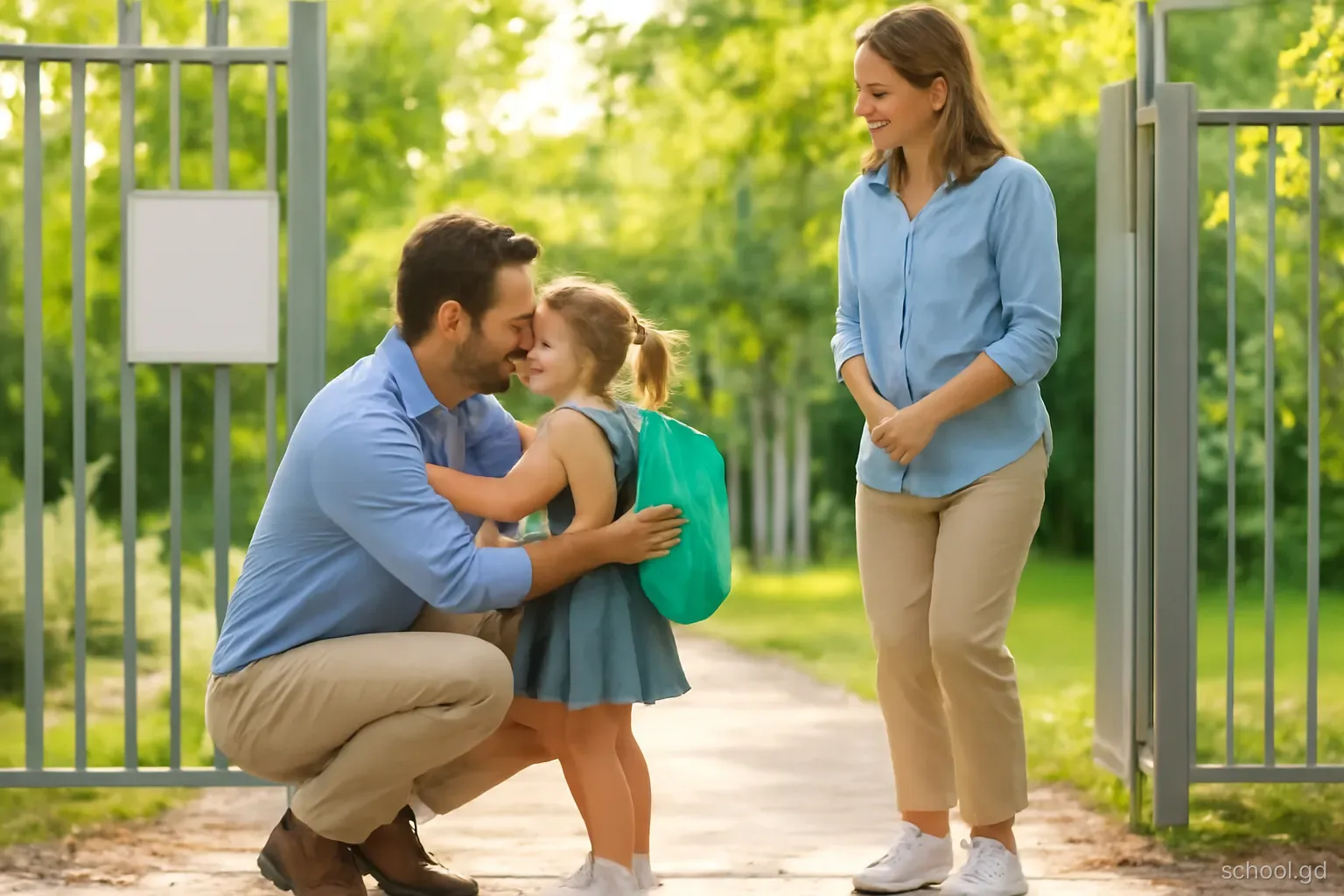
Separating from parents. A child who has attended preschool or spent time with other carers usually separates more easily. If a child has always been at home with family, short practice separations in the months before school help.
Sharing and turn-taking. Kindergarten involves waiting for a turn, sharing equipment and accepting that the teacher's attention is divided among many children. Board games, ball games and cooking together at home are good practice.
Managing frustration. A ready child does not need to be calm all the time, but should be starting to express anger or disappointment in words rather than only by hitting or running off, and to accept help to calm down.
Sitting and attending. Teachers expect children to sit and listen for short periods, perhaps ten to fifteen minutes at first. Regular story time at home builds this gradually.
Asking for help. Children who will tell a teacher they do not understand, or that someone is unkind to them, are safer and learn faster. Encourage this explicitly.
Paperwork and practical preparation
Enrolment in a government or government-assisted primary school generally follows a process set by the Ministry of Education and the school. Requirements vary, but families should expect to deal with most of the following:
- Find out the school zone or catchment and the enrolment period for Kindergarten, which usually falls well before September. Popular schools can fill early.
- Obtain the child's birth certificate, and a copy of the parent's identification. Families who were born abroad or whose children were born abroad may need additional documents.
- Bring the child's immunisation card up to date at the local health centre, since schools commonly ask to see proof of immunisation at entry.
- Complete the school's registration form, noting emergency contacts, medical conditions, allergies and who may collect the child.
- Collect the uniform specification, including shoes and socks, and buy or sew uniforms in good time; school outfitters get busy in August.
- Ask for the booklist and supplies list, and whether any fees or contributions are expected, such as for the parent-teacher association.
- Visit the school with the child before the first day if possible, to see the classroom, toilets and play area.
Moving from preschool to primary: what changes for the child
Even children who loved preschool can find primary school a jolt. Classes are often larger, adults are fewer per child, and the building is busier, with older children in the corridors and playground. The day can be longer and more structured, with set times for lessons, break and lunch rather than the freer rhythm of a preschool room. Rest time usually disappears, so many Kindergarten children are noticeably tired in the afternoons and evenings during the first term.
Transport may change too. A child who was dropped at a preschool door by a parent may now travel by route bus or walk with older siblings or neighbours, which raises questions of safety and supervision. Agree clearly who will take and collect the child, and tell the school in writing. Early bedtimes, a filling breakfast and a calm afternoon routine at home help absorb the extra demands, and patience in the first half-term goes a long way.
Common mistakes in the run-up to school
The most frequent mistake is focusing on academics and neglecting independence. A child who can read a few words but cannot manage the toilet or open a lunch box will have a harder start than the reverse. Another is starting a new routine on the first day of term: if school starts at eight, begin waking, dressing and having breakfast on a school-day timetable a couple of weeks earlier, and move bedtime earlier too.
Some parents talk up school as a place where a child must behave or be punished, which can create fear. Talk about it positively and concretely instead: the teacher, new friends, the playground, lunch with classmates. Finally, do not panic if the first weeks bring tears, tiredness or clinginess. Most children settle within a few weeks. If problems persist beyond the first half-term, speak to the teacher, who sees the child in class and can suggest strategies.
Frequently asked questions
At what age do children start Kindergarten in Grenada?
Children generally start Kindergarten at around five, the age at which schooling becomes compulsory under the Education Act. Exact cut-off dates for each intake are set by the Ministry of Education, so confirm the rule for your child's birth date and year of entry.
Does my child need to read before starting Kindergarten?
No. Teachers prefer children who are curious, can look after themselves and enjoy books and talk. Recognising some letters, especially in their own name, and counting objects to about ten are helpful, but formal reading is taught in school.
What documents are needed to enrol a child in primary school?
Schools commonly ask for the child's birth certificate, a parent's identification, an up-to-date immunisation record and a completed registration form. Some may ask for additional documents, particularly for children born abroad. Check with the school before the enrolment period.
What if my child cries every morning when starting school?
Tears in the first weeks are common and usually fade as routines become familiar. Keep goodbyes short and confident, arrive on time and talk positively about school. If distress continues beyond the first half-term, speak to the teacher about strategies.
Should a child start Kindergarten a year later if they seem immature?
Schooling is compulsory from age five, so delays are not generally an option within the government system. If you have concerns about development, discuss them with the preschool, a doctor or the Ministry of Education, who can advise on support.
How can parents prepare a child for the school routine?
Start school-day wake-up, breakfast and bedtime routines two weeks before term. Practise dressing in the uniform, opening the lunch box and using the toilet independently, and visit the school beforehand so the building feels familiar.