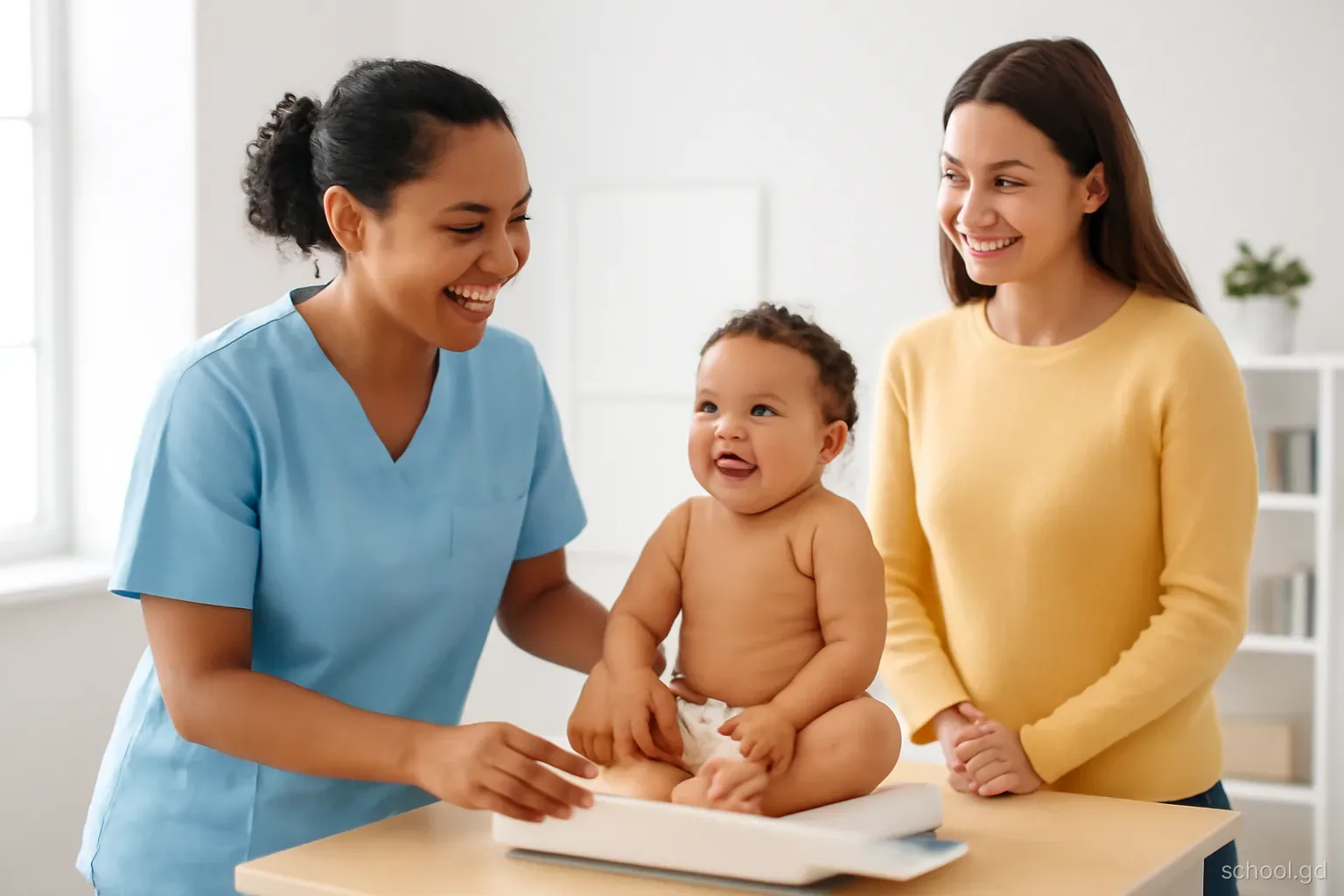
In Grenada the first years of a child's health care revolve around the public health system's network of health centres and smaller medical stations, spread across the parishes and on Carriacou and Petite Martinique. Here, community health nurses run child health clinics where babies are weighed, measured and immunised, parents get advice on feeding and development, and the immunisation card is filled in, the card that schools will later ask to see.
Many families also use private paediatricians and general practitioners, particularly in and around St George's, but even they often rely on the public clinics for routine immunisations. This guide explains how child health services for under-fives work, what the immunisation card is for, how preschools handle illness, and the health issues that matter most for young children in Grenada. It is general information, not medical advice: for any concern about a child's health, speak to a nurse or doctor.
Child health clinics: what happens and when
After a baby is born, whether at the General Hospital in St George's, Princess Alice Hospital in St Andrew, Princess Royal Hospital on Carriacou or a private facility, the family is linked with the community health services for follow-up. Community health nurses, sometimes called district nurses, carry out postnatal visits and invite the family to child health clinics at the local health centre or medical station.
At clinic, babies and young children are weighed and measured, and growth is plotted on a chart to spot problems early. Nurses ask about feeding, sleep and development, check milestones such as smiling, sitting, walking and first words, and give immunisations according to the national schedule. They also advise on breastfeeding, introducing solid foods, nutrition and safety at home. Clinics are scheduled on particular days at each centre, and days vary, so ask your local health centre for its timetable.
Public child health services are provided free or at low cost. Keep every appointment, even when the child seems well; growth checks and developmental questions are often where early concerns about hearing, vision or speech first surface.
The immunisation card and the national schedule
Grenada runs its immunisation programme through the Ministry of Health, following schedules informed by the Pan American Health Organization and regional practice. Vaccines in the routine childhood schedule protect against diseases including polio, diphtheria, tetanus, whooping cough, measles, mumps, rubella, hepatitis B and Haemophilus influenzae type b, with booster doses before school entry. The exact list and timing are set nationally and are updated from time to time, so the health centre is the authoritative source.
Each child has an immunisation card recording every dose given. Treat it as an important document: keep it with the birth certificate, take it to every clinic and doctor's visit, and photograph it in case it is lost. Primary schools commonly ask to see it at Kindergarten registration, and many preschools ask for it too. Families arriving from abroad should bring their child's full vaccination records; the health centre can compare them with the Grenadian schedule and arrange any missing doses.
Illnesses that matter most for young children here
Mosquito-borne diseases. Dengue occurs in Grenada, and chikungunya and Zika have caused outbreaks in the Caribbean in the past decade. Protect children with screens, nets, appropriate repellents for their age and by emptying standing water around the home, where mosquitoes breed. Seek medical advice promptly for a child with a high fever.
Gastroenteritis. Diarrhoea and vomiting spread easily in group childcare. The main danger in young children is dehydration; oral rehydration solution, small frequent drinks and medical advice if a child becomes listless, stops passing urine or cannot keep fluids down.
Respiratory infections and asthma. Colds and coughs are frequent in the first years of preschool. Asthma is common in the Caribbean; children with a diagnosis should have a written plan and medication available at preschool.
Sun and heat. Young children burn and dehydrate quickly in the tropical sun. Hats, shade, light clothing and water should be routine at preschool and at the beach.
Skin conditions. Heat rash, insect bites that become infected, and fungal infections are common. Keep bites clean and seek advice if redness spreads or the child develops a fever.
How preschools handle illness
Most early childhood centres in Grenada ask parents to keep children at home when they have a fever, vomiting, diarrhoea or a contagious condition, and will call parents to collect a child who becomes ill during the day. Policies differ on how long a child must be symptom-free before returning; ask for the written policy when enrolling, and make sure the centre has at least two reachable contacts who can collect a sick child at short notice.
Medication is another area to clarify. Many centres will only give medicines with written parental consent and clear instructions, and some will not give non-prescription medicines at all. Children with allergies, asthma, epilepsy, diabetes or other conditions need a written care plan agreed with the centre, and staff should know where emergency medication is kept. Ask whether staff have current first-aid training, which organisations such as the Grenada Red Cross Society provide.
Development checks: hearing, vision and speech
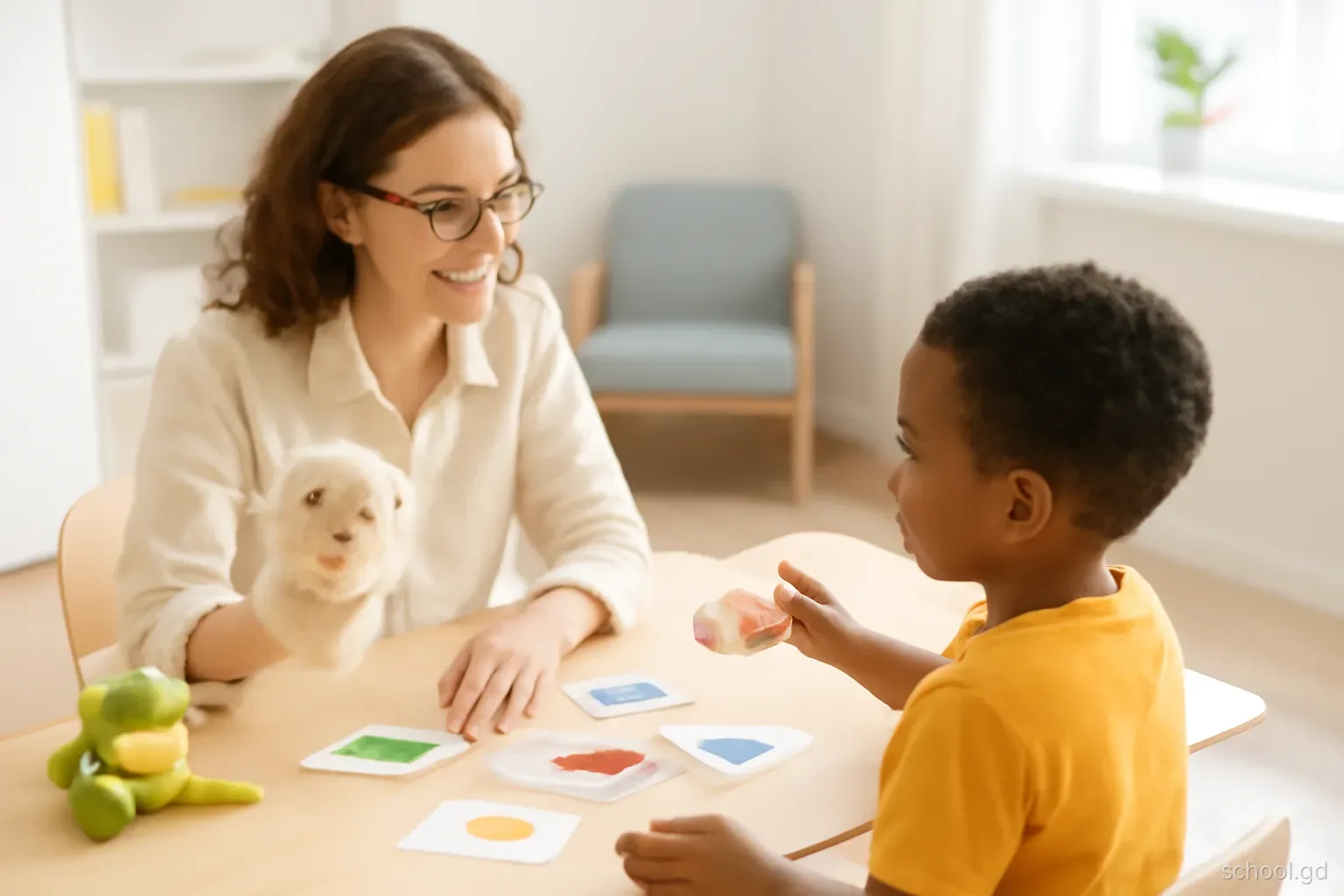
Child health clinics are also where early developmental concerns are often first picked up. Nurses ask about milestones, and parents should mention anything that worries them, such as a baby who does not turn towards sounds, a toddler who has few words by the age when peers are talking, eyes that seem to turn in or out, or a child who has stopped doing things they could do before. Early concerns are frequently nothing serious, but when they are significant, early help makes a large difference.
Where needed, the nurse or doctor can refer a child for hearing or vision tests, speech assessment or a paediatric review. Specialist services in Grenada are limited and some assessments may involve waiting lists, travel to St George's or, occasionally, visiting specialists and overseas referral. Starting the conversation early gives the family more time to arrange what the child needs before school begins.
Mistakes parents make with early health care
Most of these are understandable in busy households, and all are easy to fix:
- Missing immunisation appointments when the child has a mild cold. Mild illness is usually not a reason to delay; ask the nurse.
- Losing the immunisation card, then struggling to prove doses at school registration.
- Sending a child to preschool with a fever after giving medicine to bring it down, which spreads illness and is usually against centre rules.
- Ignoring concerns about hearing, vision or speech in the hope a child will grow out of it. Early checks are simple and change outcomes.
- Relying only on private doctors and missing growth and development checks offered at public clinics.
- Not telling the preschool about a child's allergy or condition, or failing to update emergency contact numbers.
Private care and emergencies
Private paediatricians and family doctors practise mainly in and around St George's and the south, with fewer options in the rural parishes and on the sister isles. Families who use them should still keep the public immunisation record complete, and ask the private doctor to record any vaccines they give on the child's card. Health insurance, where families have it, may cover private consultations but often not routine vaccines; check the policy.
For serious illness or injury, the General Hospital in St George's has the main emergency department and paediatric care on the island, with Princess Alice Hospital serving the east and Princess Royal Hospital serving Carriacou and Petite Martinique. Know the fastest route to your nearest hospital, keep the immunisation card and any medication list where a carer can find them, and in an emergency call 911.
Frequently asked questions
Are childhood vaccines free in Grenada?
Routine childhood immunisations in the national schedule are provided through public health centres at no cost or very low cost. Private doctors may charge for vaccines they supply. Ask your local health centre about the current schedule and any charges.
Do schools in Grenada require proof of vaccination?
Primary schools commonly ask to see a child's immunisation record at registration, and many preschools do as well. Keep the card up to date and bring it when enrolling. Families from abroad should bring full records to be checked against the local schedule.
Where do babies get check-ups in Grenada?
Most families use child health clinics at local health centres and medical stations run by community health nurses, where babies are weighed, measured, assessed and immunised. Many also see private paediatricians, particularly around St George's.
What should parents do if a child has a high fever in Grenada?
Seek medical advice promptly, especially because dengue and other mosquito-borne illnesses occur in the region. Keep the child hydrated and watch for warning signs such as lethargy, persistent vomiting or bleeding. In an emergency, call 911 or go to the nearest hospital.
Can a child attend preschool while taking antibiotics?
Often yes, once the child is well enough and no longer contagious, but centres have different rules. Ask whether staff can give the medicine during the day and what written consent they require, and follow the centre's exclusion policy.