The academic part of moving schools is usually the easy part. What unsettles children arriving in Grenada is everything around it: wearing a full uniform in the heat, standing when a teacher enters, the speed and rhythm of Grenadian English in the playground, and knowing which games everyone already plays. For most children the strangeness lasts a term, not a year, but how parents handle those first months makes a real difference.
This page looks at the culture of Grenadian schools as a newcomer experiences it: what is different, what tends to surprise families from North America and Europe, and the practical things parents can do to help a child feel at home quickly.
What children notice first
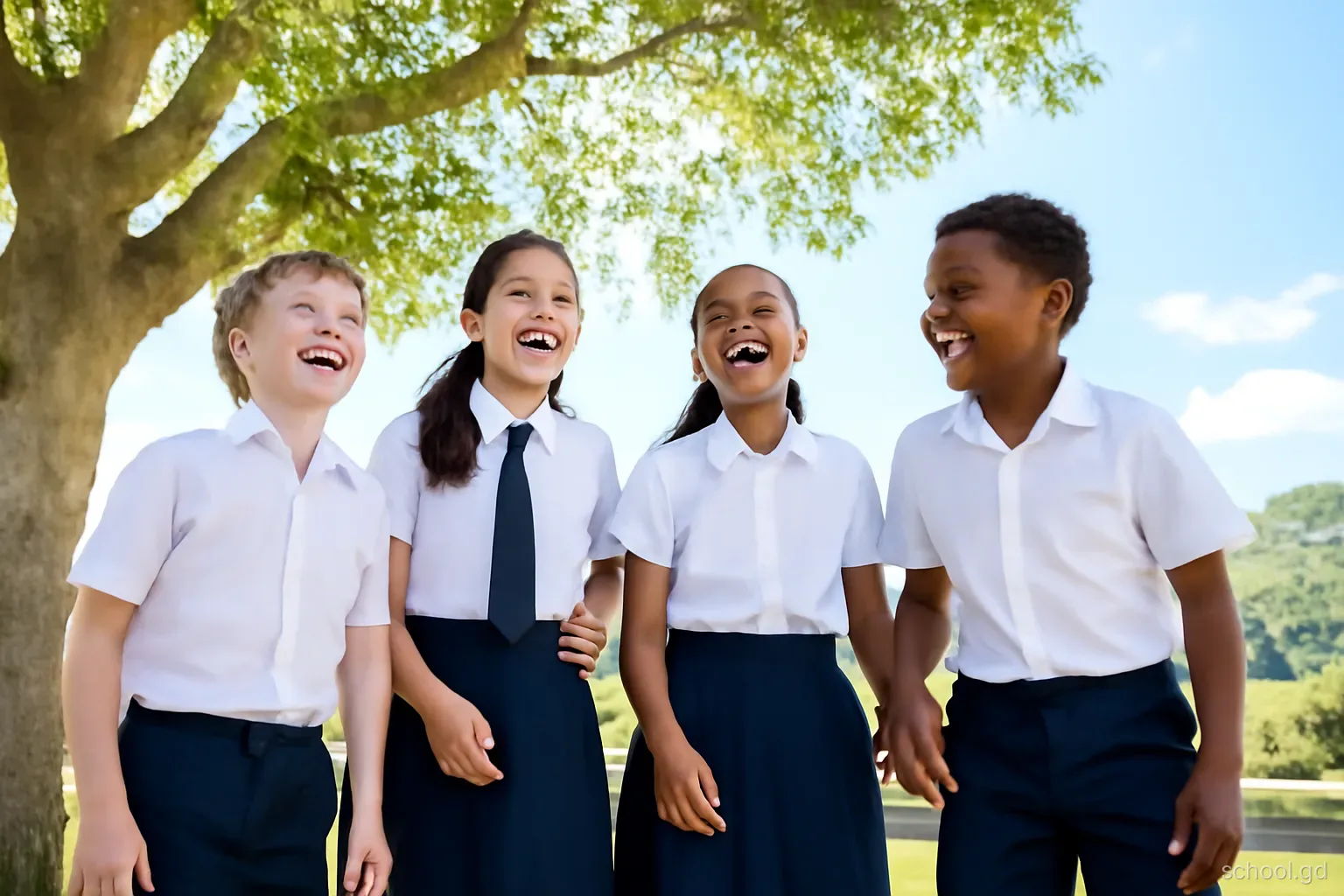
Uniforms, every day. Every government and denominational school, and almost every private school, has a uniform, and schools take it seriously: correct colours, tucked-in shirts, regulation shoes and sometimes rules about hair and jewellery. Children used to casual clothes often find this the biggest initial change. It quickly becomes a leveller, though, and many children come to like not having to think about clothes.
Formality and respect. Teachers are addressed as Miss or Sir, or by title and surname. In many schools pupils stand to greet a teacher or visitor, assemblies with prayers are normal, especially in church schools, and expectations about politeness to adults are higher than many expat children are used to.
A more structured classroom. Lessons in government and assisted schools are often teacher-led, with copying from the board, regular tests and an emphasis on preparing for exams. Children from project-based or discovery-led schools may find it unfamiliar at first, while others enjoy the clarity.
Language. English is the official language and the language of instruction, but in the playground children speak Grenadian Creole English, with its own vocabulary, rhythm and expressions. Newcomers understand more each week, and children pick it up far faster than adults.
Heat and timing. The school day starts early, often around 8 am, partly to make the most of the cooler morning. Many classrooms rely on open windows and fans rather than air conditioning.
Faith, holidays and the school year
Religion plays a visible part in school life. Many schools in Grenada were founded by churches, Anglican, Roman Catholic, Methodist, Presbyterian, Seventh-day Adventist and others, and remain government-assisted denominational schools. Morning prayers, hymns at assembly, religious education lessons and services at key points in the year are normal. Families of other faiths or none generally find schools respectful, but it is reasonable to ask how the school handles participation.
The calendar also has its own rhythm. Independence on 7 February is marked in schools with flag-raising, cultural programmes and costume days in the run-up. Carnival, known as Spicemas, falls in August during the summer holidays, but children's carnival activities and calypso competitions can involve schools. Inter-school sports meets, usually in the first months of the year, are a big deal, with houses, colours and crowds. Joining in with these events is one of the quickest ways for a newcomer to belong.
Weather affects the calendar too. Schools close when a tropical storm or hurricane warning is issued, and occasionally for heavy rain, flooding or power and water outages. Expect a few unplanned days off in a typical rainy season.
Practical steps for the first term
Small, deliberate actions in the first weeks help most:
- Visit the school with your child before the first day, see the classroom and the toilets, and find where they will eat lunch.
- Get the uniform exactly right from the start, including shoes, socks and any tie or badge, so your child does not stand out for the wrong reasons.
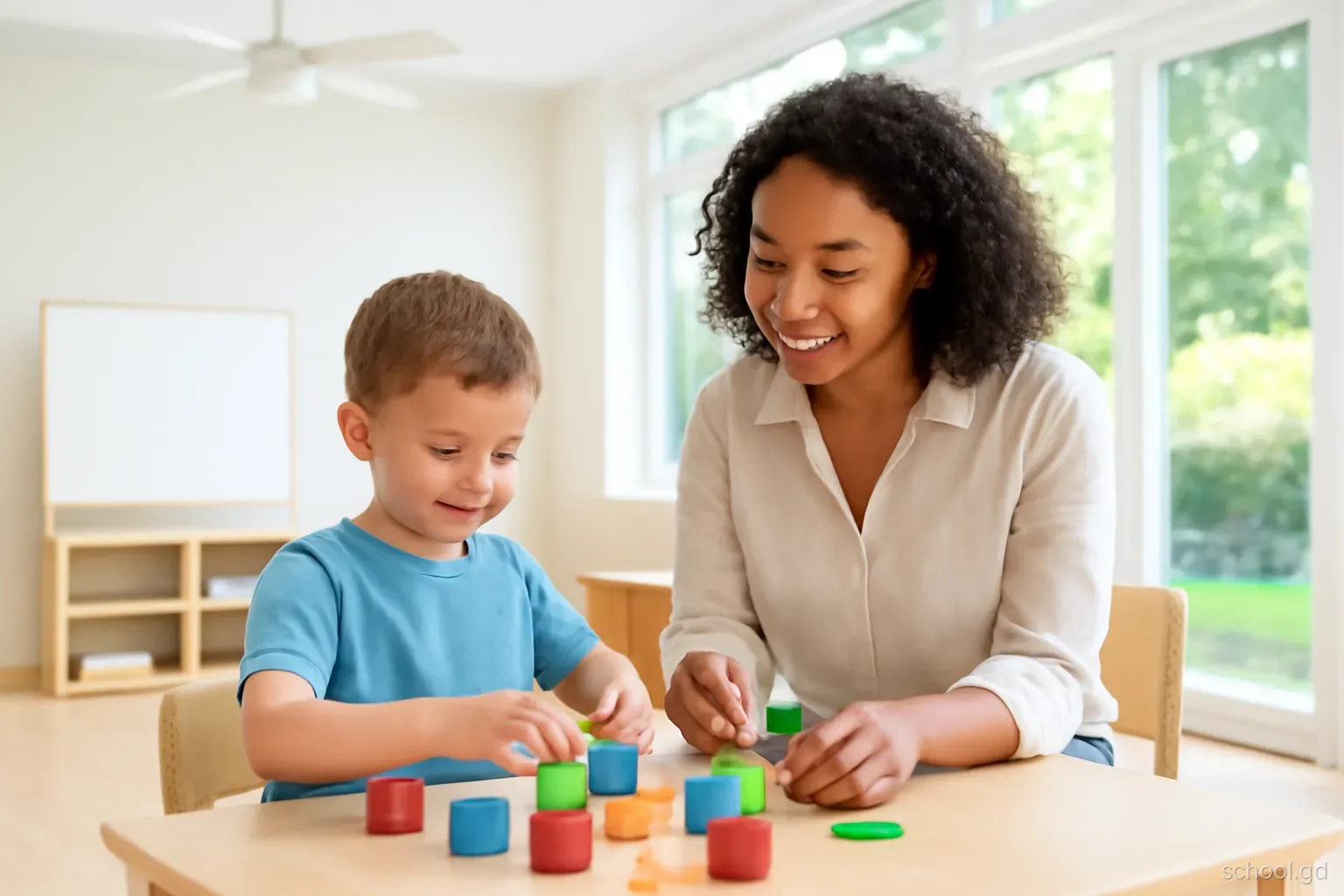
- Ask the teacher whether a classmate can act as a buddy for the first few weeks.
- Learn the timetable for sports, lunch and break, and pack water and a snack suited to the heat.
- Sign your child up for one after-school activity where they will meet classmates: football, cricket, netball, swimming, steel pan, dance or a church youth group.
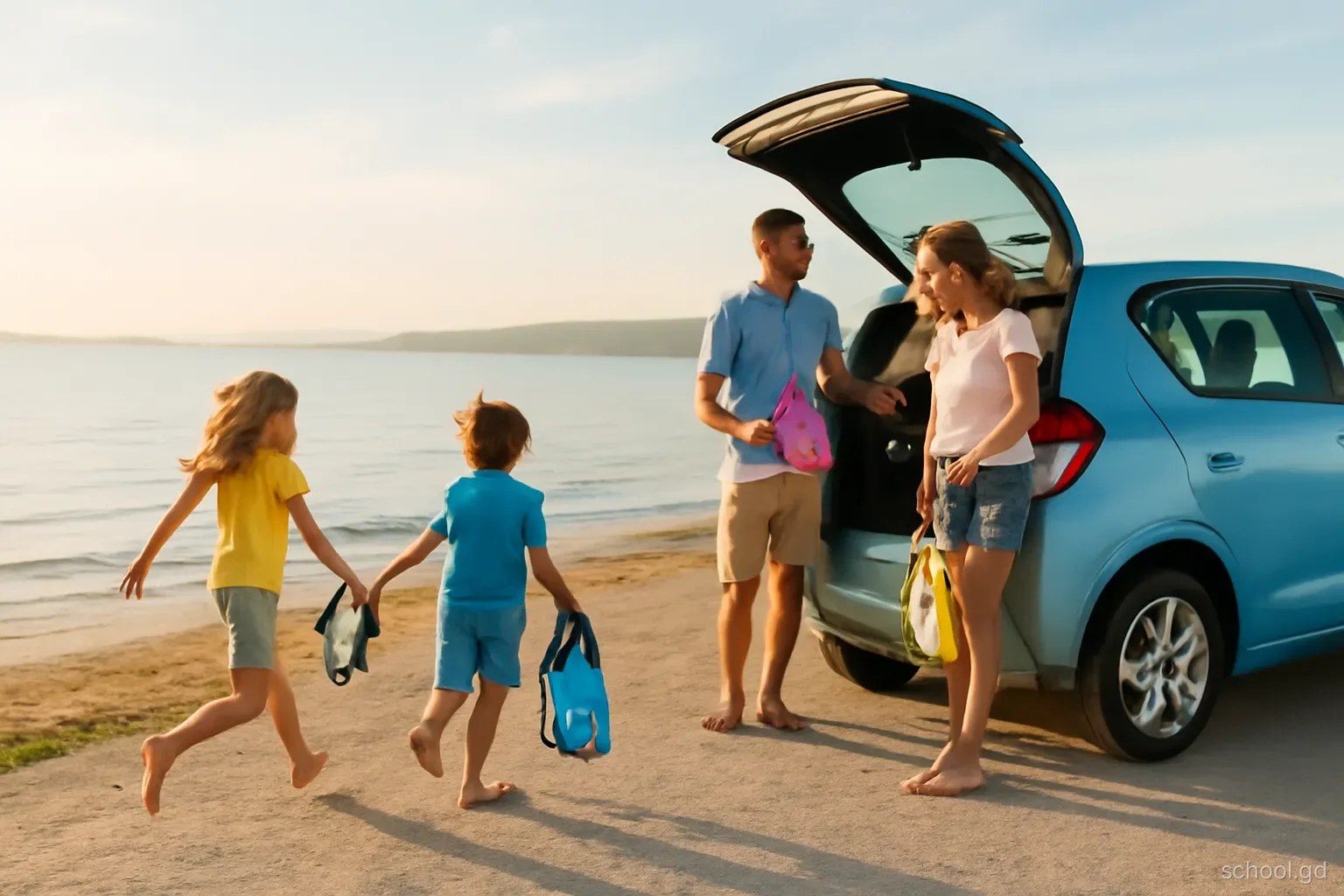
- Invite a classmate over at the weekend. Many friendships start with a beach day or a visit to a family home.
- Check in at the end of each week about the playground, not just the lessons. That is where most adjustment happens.
The parent side: getting involved without taking over
Parents' involvement helps a child settle, and Grenadian schools generally welcome it. Most schools have a parent-teacher association that meets during term, organises fundraising and supports school events. Joining shows commitment and is also the quickest way for parents to make local friends and learn the unwritten rules: which shoes are acceptable, how homework is set, which day is sports day.
There is a balance, though. Expat parents sometimes arrive with strong views about how things should be done, based on schools at home. Teachers in Grenada often manage larger classes with fewer resources, and suggestions land better when they come after you have seen how the school works and have built a relationship. Offering practical help, such as reading with children, helping at a fundraiser or sharing a skill on a careers day, is usually more welcome than critique.
Teenagers need a slightly different approach. They often resist parents turning up at school, but they benefit from the same anchors: a team, a club, a part in a school production or a role in a youth group. Older students also tend to notice social differences between expat and Grenadian classmates, such as pocket money, travel or housing, more sharply than younger children; a frank family conversation about fitting in respectfully helps.
Communication styles vary. Some schools rely heavily on messaging-app groups for parents, others on notes sent home in school bags. Ask on day one how the school communicates closures and events, and make sure you are on the right list.
Food, break times and the social day
School lunch arrangements vary. Some schools run a canteen or have approved vendors selling local food at break and lunch, from bakes and saltfish or chicken and rice to juices and snacks; others expect children to bring a packed lunch. Many government primary schools have taken part in a school feeding programme for eligible pupils. Ask what is available, what the school allows, and whether there are rules on sugary drinks or snacks. A refillable water bottle is essential in the heat.
Break times are when friendships form. Cricket, football, skipping and clapping games, marbles in some schools and a great deal of talking fill the yard. Newcomers who join a game, even badly, are usually welcomed. Teach your child a few basics before the first day if you can, such as how to bowl or catch a cricket ball, and encourage them to say yes when invited to play.
After school, many children go straight home on route buses or with family, so play dates need arranging with parents in advance rather than happening spontaneously at the gate. Swapping contact details with one or two families early on makes weekends much easier.
Warning signs and what to check
Most children settle within a term. If things are not improving after the first few months, look at:
- Persistent reluctance to go to school, stomach aches on school mornings, or tears at the gate after the first few weeks.
- Being singled out for an accent, appearance or being "the foreigner", which can happen anywhere and should be raised calmly with the class teacher.
- Academic gaps that are not closing, particularly in subjects new to the child such as Caribbean history or a second language.
- Exhaustion from heat, early starts and a long school run, which can look like a behaviour problem.
- Isolation at break times. Ask the teacher directly who your child spends time with.
- Your own stress. Children read parents closely, and a family that is anxious about the move transmits that.
Frequently asked questions
Do children in Grenada have to wear school uniform?
Yes. Government, denominational and nearly all private schools require a uniform, and rules about colours, shoes and grooming are taken seriously. Buy it before the first day from the supplier the school recommends and check the details carefully with the school.
Will my child understand the other children?
English is the language of instruction, so lessons are straightforward. In the playground children speak Grenadian Creole English, which can be fast and unfamiliar at first. Most newcomers understand it within weeks and many pick up expressions quickly.
Are Grenadian schools religious?
Many schools are government-assisted denominational schools founded by churches, and prayers, hymns and religious education are common in school life. Children of other faiths or none attend widely. Ask the school how it handles participation if this matters to your family.
How long does it take for a child to settle in?
Most children are comfortable within one term. Younger children often adjust within weeks. Teenagers, especially those leaving close friends behind, can take longer and benefit from sports and clubs where they meet peers outside lessons.
Do schools close for hurricanes in Grenada?
Yes. Schools close when a tropical storm or hurricane watch or warning is issued, and sometimes for heavy rain, flooding or utility outages. Closures are announced through official channels and schools' own parent communication, usually at short notice.